
Purging or irritation — the distinction that matters
Purging happens where you already break out, produces the kind of spots you usually get, and resolves faster than your normal spots do. Irritation appears anywhere, including areas that never break out, and brings burning, stinging, tightness, redness or flaking rather than spots.
Swipe the table sideways to see every column.
| Purging — continue | Irritation — stop or reduce | |
|---|---|---|
| Starts | Week 2–4 | Day 1–7 |
| Where | Your usual breakout areas | Anywhere, including new areas |
| Looks like | Spots you normally get | Redness, rash, flaking, swelling |
| Feels like | Normal spots | Burning, stinging, tight |
| Clears in | Faster than your usual spots | Only when you stop |
| Total duration | 4–6 weeks, then better | Gets worse while you continue |
Which ingredients cause purging, and which cannot
Only ingredients that speed up how fast skin sheds can purge: retinol and other retinoids, and leave-on exfoliating acids (glycolic, lactic, mandelic, salicylic). Azelaic acid occasionally does, mildly. Niacinamide, vitamin C, hyaluronic acid, ceramides and moisturisers do not change turnover, so spots after starting them are a reaction, not a purge.
That last column is the practical point. People keep using a niacinamide serum or a new moisturiser through weeks of spots because they have read that things get worse before they get better. That is only true of the first group.
Swipe the table sideways to see every column.
| Ingredient or product | Can it purge? | If you break out |
|---|---|---|
| Retinol, retinal, tretinoin, adapalene | Yes | Usually purging if in usual areas, weeks 2–4 |
| Leave-on glycolic, lactic, mandelic acid | Yes | Usually purging if in usual areas |
| Leave-on salicylic acid (BHA) | Yes | Usually purging if in usual areas |
| Azelaic acid | Occasionally, mildly | Reduce frequency, see if it settles |
| Acid face washes (rinse-off) | Rarely | More likely a reaction |
| Niacinamide | No | A reaction: go every other day or stop |
| Vitamin C | No | A reaction: stop and patch test |
| Hyaluronic acid, moisturisers, sunscreen | No | A reaction or clogging: stop |
How long it lasts
Four to six weeks in most people, with retinol or a leave-on acid, and up to eight for a few. If breakouts are still worsening past week eight, that is not a purge — the product, the frequency or the rest of the routine needs changing.
A full skin cycle is roughly four to six weeks, which is why the timeline is what it is: retinol is compressing one cycle's worth of blockages into a shorter window. Once that backlog is through, it does not repeat unless you stop for a long period and start again.
How to make it easier
Start two to three nights a week, not nightly, and build up over a month. Apply to completely dry skin — damp skin absorbs more and irritates more. Buffer by applying moisturiser first, retinol second, moisturiser again. And do not add a second active while you are still settling in.
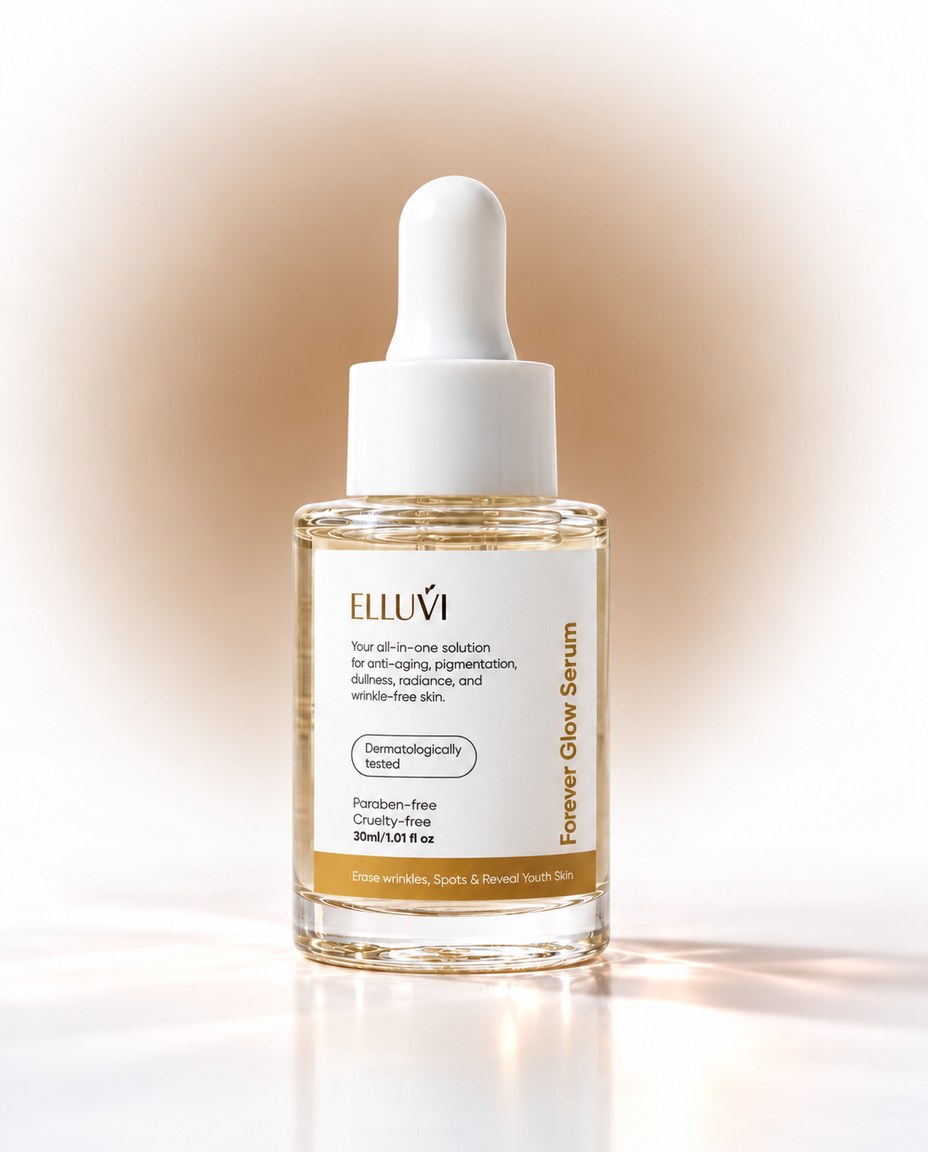
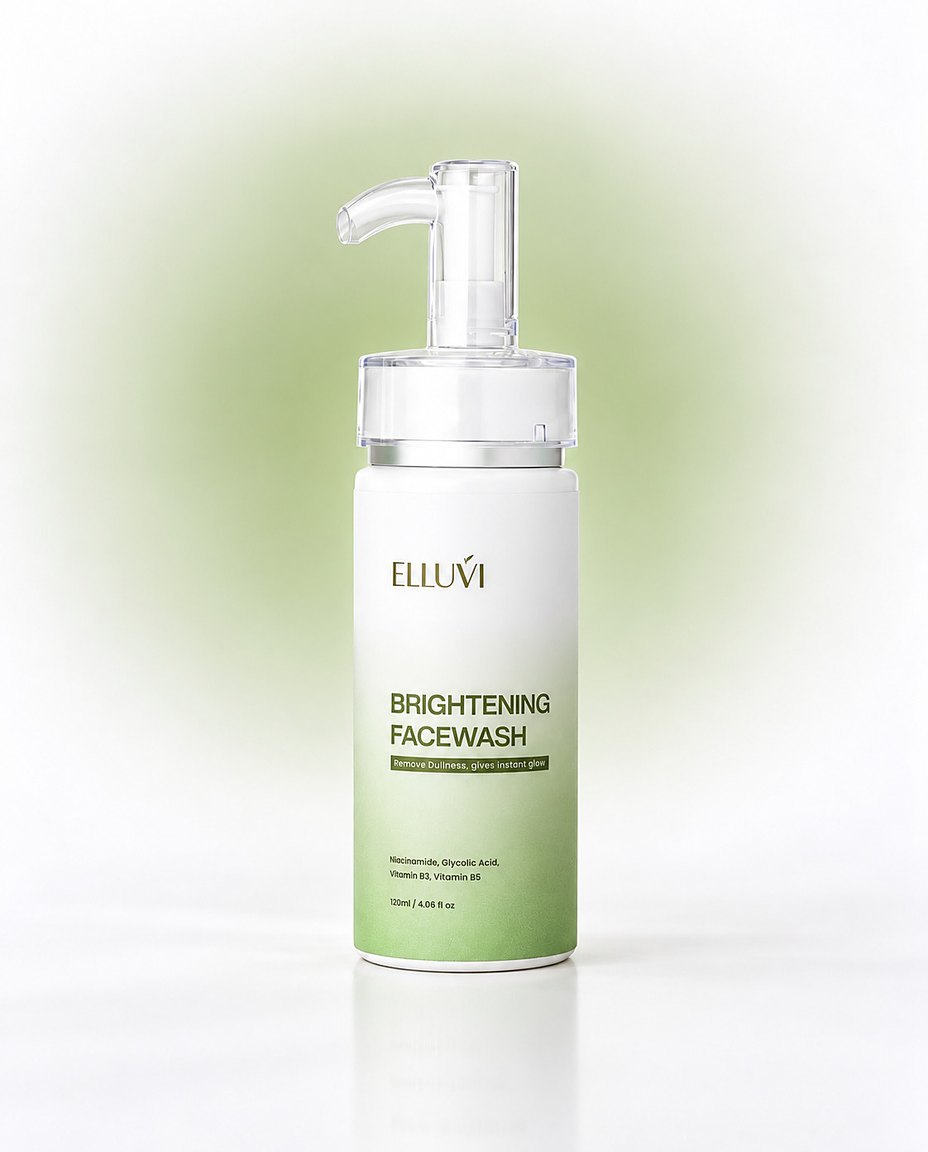
Specifically: no glycolic or salicylic acid on retinol nights, including the face wash (the small amount of glycolic acid formulated into the Age Defying Serum is part of that formula, not a separate acid), no vitamin C in the same application, and no scrubs at all. Retinol makes skin more sun-sensitive, so daily SPF stops being optional the day you start — and in Pakistani sun, skipping it will cost you more pigmentation than the retinol was ever going to fix.
When to stop
Stop if there is swelling, a spreading rash, weeping or cracked skin, or burning that does not settle within an hour of application. Stop and see a doctor if any of that involves the eyelids or the lips. Reduce rather than stop if it is only flaking and mild tightness — go to twice a week and buffer.
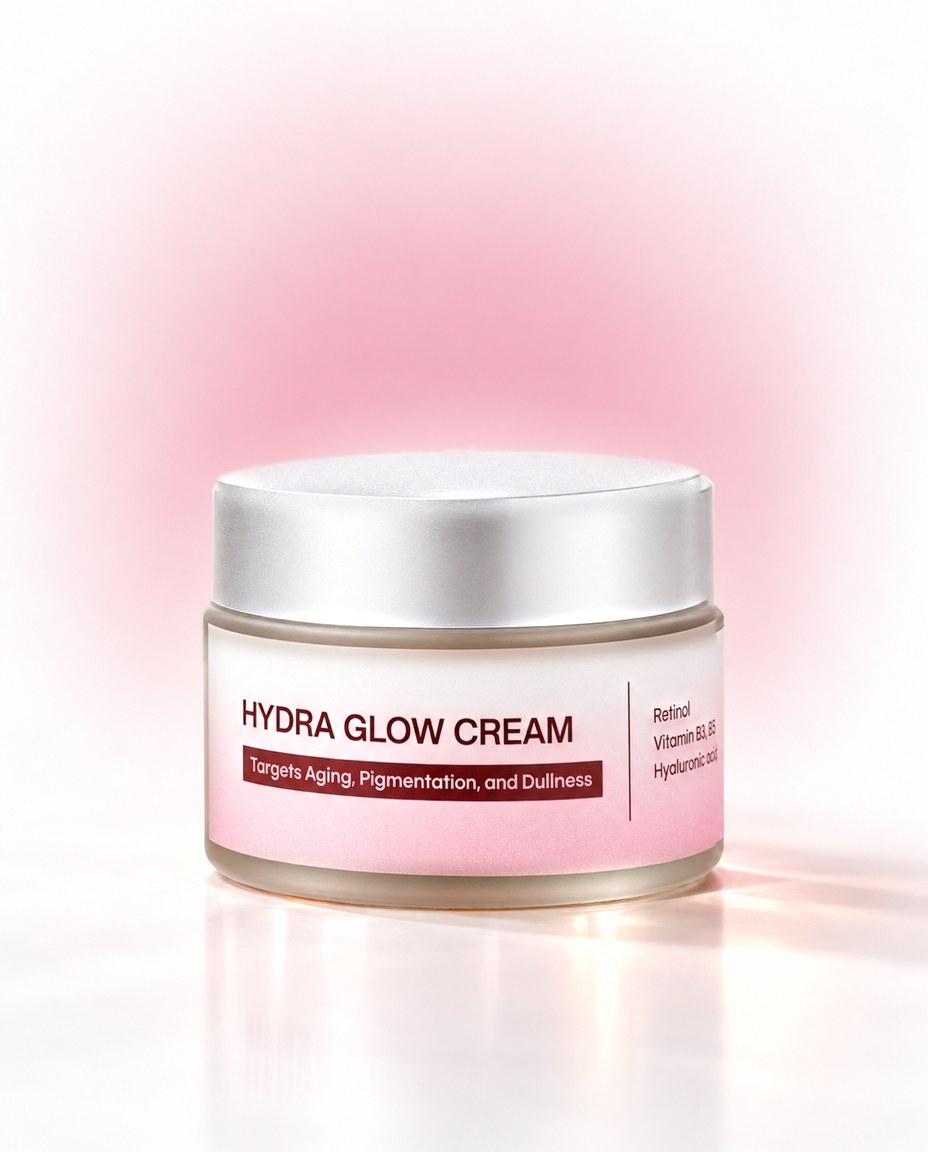
Stop entirely if you are pregnant or trying to become pregnant. Retinoids are not used in pregnancy, and that applies to both Elluvi products carrying 0.3% retinol — the Hydra Glow Cream and the Age Defying Serum. The pregnancy guide linked from those pages covers what to use instead.
What a purge is not
It is not proof the product is working, and a product that causes no purge is not working less well. Plenty of people never purge at all. It is also not a reason to push through burning — "it has to get worse before it gets better" is true of purging and false of irritation, and the two are mixed up constantly.
Shop what this guide covers
FAQs
Retinol is a vitamin A derivative used at night for fine lines, rough texture and uneven tone, and it works over months, not weeks. Elluvi has 0.3% retinol in two formats. Start with the Hydra Glow Cream, a night cream, two to three nights a week. Move to the Age Defying Serum, which adds peptides, only once your skin tolerates retinol.