
What is glycolic acid?
Glycolic acid is the smallest alpha hydroxy acid, originally from sugar cane. Because the molecule is small, it works quickly on the outer layer of skin, loosening dead cells so they shed more evenly. The result is smoother texture, a brighter look and, over weeks, softer-looking marks.
How strong it is depends on three things on the label: the percentage, the pH, and how long it stays on the skin. A rinse-off wash is the mildest form, a leave-on toner or serum is stronger, and the peels done in a clinic are stronger again and are not a home product.
How to use glycolic acid, by format
Wash: morning and night, about 30 seconds of massage, rinse, moisturise. Leave-on toner or serum: at night on clean, dry skin, two to three times a week to start, building up slowly; moisturiser after. Every format: SPF 50 the next morning, and no retinol on the same night.
Swipe the table sideways to see every column.
| Format | Strength | How often to start | Notes |
|---|---|---|---|
| Face wash | Mildest, rinsed off | Morning and night | Rinse with water on retinol nights |
| Toner | Medium, leave-on | 2–3 nights a week | Cotton pad or palms, avoid eyes and lips |
| Serum | Stronger, leave-on | 2–3 nights a week | A few drops, then moisturiser |
| Clinic peel | Strongest | Only by a professional | Not a home product |
How to use a glycolic acid toner on your face
At night, after cleansing, on dry skin: a few drops on a cotton pad or in your palms, swept or pressed over the face away from the eyes and lips. Leave it on, wait a minute, then moisturiser. Two to three nights a week at first, never on retinol nights, sunscreen every morning.
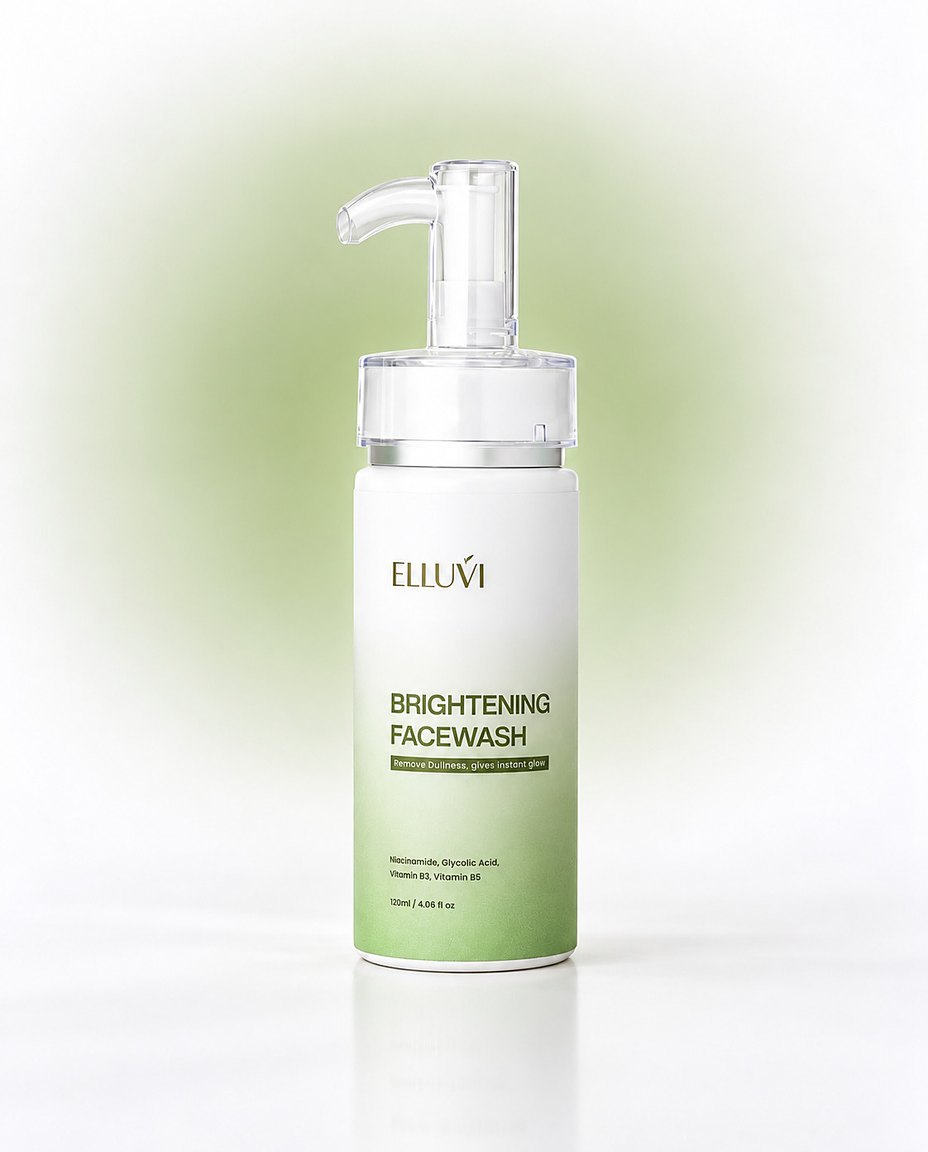
We do not make a glycolic toner. If you use one alongside the Brightening Face Wash, rinse with water on toner nights so you are not putting two glycolic products on in one evening.
Side effects of glycolic acid
Tingling for a few seconds is normal. Lasting stinging, redness, peeling, a shiny tight look or sudden sensitivity to products you used to tolerate are signs of over-exfoliation: stop for a few days and restart less often. Glycolic acid also makes skin more sensitive to the sun for about a week after use, so daily SPF is part of using it.
On brown skin, irritation is not just uncomfortable: an inflamed patch can leave a dark mark that lasts longer than the dullness you were treating. Slow is faster here. Do not use glycolic acid on broken, sunburnt or freshly waxed or threaded skin.
Can glycolic acid cause breakouts?
A leave-on glycolic toner or serum can cause a short purge in the first weeks, in the places you normally break out, because it speeds up shedding. A rinse-off wash stays on too briefly to purge. New spots in new places, or with burning and rash, are a reaction, and that product should stop.
Glycolic acid in pregnancy
Low-strength glycolic acid in skincare is widely considered one of the lower-risk actives in pregnancy, and is often suggested in place of retinol. Ask your doctor before starting, and avoid clinic-strength peels while pregnant.
Shop what this guide covers
FAQs
Choose a face wash by skin type, because a cleanser is on your skin for under a minute and its job is to clean without leaving you tight. For oily, dull skin, the Brightening Face Wash: 3% glycolic acid with 3% niacinamide, on sale now. For pimples and clogged pores, a 2% salicylic acid wash, and for dry or sensitive skin a fragrance-free, soap-free gel; both are arriving and not yet on sale.
Also see: Glycolic Acid in Pakistan