
When to start anti aging skincare in Pakistan
Most people can start anti aging skincare in their late twenties, and there is no benefit in waiting for visible wrinkles. Practically, that means daily SPF, a morning antioxidant, and a night retinol used 2–3 nights a week to begin. Starting earlier with a simple routine beats starting later with an aggressive one.
Reviewed

When should you start using anti aging products?
Late twenties to early thirties is a sensible starting point for retinol and peptides. Sunscreen should start much earlier — it is the single most effective anti aging step at any age. If you are already in your 40s, starting now still helps; results simply build more gradually.
There is no age at which it becomes too late or too early for SPF, moisturiser and a gentle retinol. What changes with age is patience, not the ingredient list.
| Age | Worth starting | Not yet worth buying |
|---|---|---|
| Teens and early twenties | Sunscreen daily, a moisturiser, and nothing else. This is where the whole return is | Retinol, peptides, eye cream, anything sold as anti ageing |
| Late twenties | Add a morning antioxidant, then retinol two or three nights a week once it settles | A second retinol product, or a stronger percentage |
| Thirties and forties | The same routine, run consistently. Increase retinol frequency before increasing strength | Anything promising to replace a procedure |
| Fifties and beyond | Richer moisturiser, retinol continued, and more attention to barrier comfort | Nothing new is off limits, but expect gradual change rather than reversal |
Do anti aging creams really work?
Some ingredients have real, repeatable evidence for the appearance of fine lines and texture — retinoids, vitamin C, niacinamide, peptides and consistent sun protection. Creams cannot lift, tighten or reverse structural ageing, and no cosmetic product replaces a dermatologist procedure.
The honest test of a product is whether it states its active concentration. Elluvi lists exact percentages (0.3% retinol, 10% niacinamide, 10% vitamin C) so you can judge the formula rather than the claim.
How to use an anti aging cream or serum
At night, on clean dry skin: retinol serum or cream first, then moisturiser. Start 2–3 nights a week and increase only once skin stays comfortable. Never layer two retinol products the same night, and always apply SPF the next morning.
Apply a small amount to a discreet area of the jawline once daily for 2–3 days. Stop if persistent redness, itching or irritation occurs. Retinol is not recommended during pregnancy or breastfeeding.
Which ingredients are best for anti aging?
Retinol for renewal, peptides for firmness support, vitamin C for daytime antioxidant defence and tone, niacinamide for barrier comfort, and hyaluronic acid for hydration. Sunscreen underpins all of them.
Hyaluronic acid hydrates rather than acting on ageing directly, but plumper, better-hydrated skin visibly reduces the look of fine lines. Kitchen oils and DIY blends cannot deliver a stable, measured retinol dose.
Why home-made anti aging serums don’t work
Retinol and vitamin C are unstable — they degrade in light, air and the wrong pH. A home mix has no way to measure concentration or keep the active intact, so it usually delivers nothing while risking irritation.
Sunscreen is not currently sold by Elluvi. Use a broad-spectrum SPF 30 or higher from a trusted brand.
Starting in your twenties
In your twenties the priority is sunscreen and not damaging your barrier. A retinol two or three nights a week is reasonable from the late twenties, but daily SPF does more at this age than any serum will.
Most visible ageing in this climate is sun-related rather than chronological. Someone who wears sunscreen consistently from twenty-two and adds retinol at twenty-eight will be in a better position than someone who starts an elaborate routine at thirty-five without it.
Starting in your thirties and forties
This is when retinol earns its place. Add it slowly, keep sunscreen non-negotiable, and add vitamin C in the morning for tone. Expect three to six months before firmness and fine lines respond.
Starting later does not mean starting from behind so much as needing more patience. Skin turnover slows with age, so the same product takes longer to show the same change. That is an argument for consistency, not for stronger products.
Starting in your fifties and beyond
Retinol still works, but tolerance is usually lower and skin is drier. A retinol cream rather than a serum, used two or three nights a week over a richer moisturiser, is generally more comfortable and just as useful.
Expectations matter more than product choice at this stage. Texture, tone and hydration all respond well. Structural changes like sagging do not respond to topical skincare at any age, and no product should claim otherwise.
Is it ever too early?
Yes. Teenagers and people in their early twenties generally do not need retinol for ageing, and starting actives early can irritate skin that had no problem to begin with. Sunscreen is the exception and can start at any age.
The pressure to start anti-ageing products in your teens is a marketing phenomenon rather than a dermatological one. A gentle cleanser, a moisturiser and daily sunscreen is a complete routine for young skin.
Shop what this guide covers
FAQs
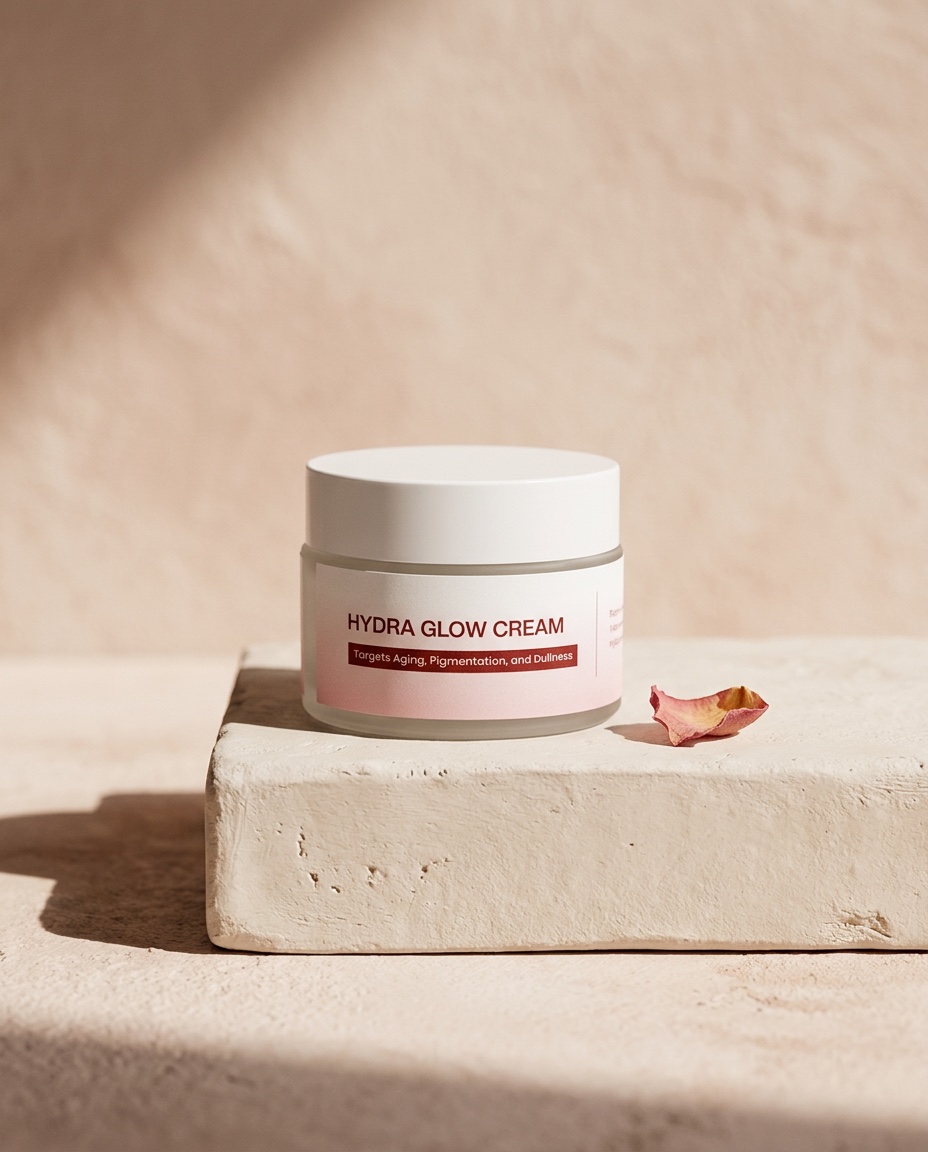
Two ways to take the same active. Hydra Glow Cream is retinol 0.3% in a rich overnight base, with niacinamide, alpha arbutin and squalane alongside it. The Age Defying Serum is retinol 0.3% with a peptide complex and nothing occlusive, for skin that already has a moisturiser it likes. Both are night-only, and you use one of them, not both.