Best face wash in Pakistan for dull, oily and uneven skin
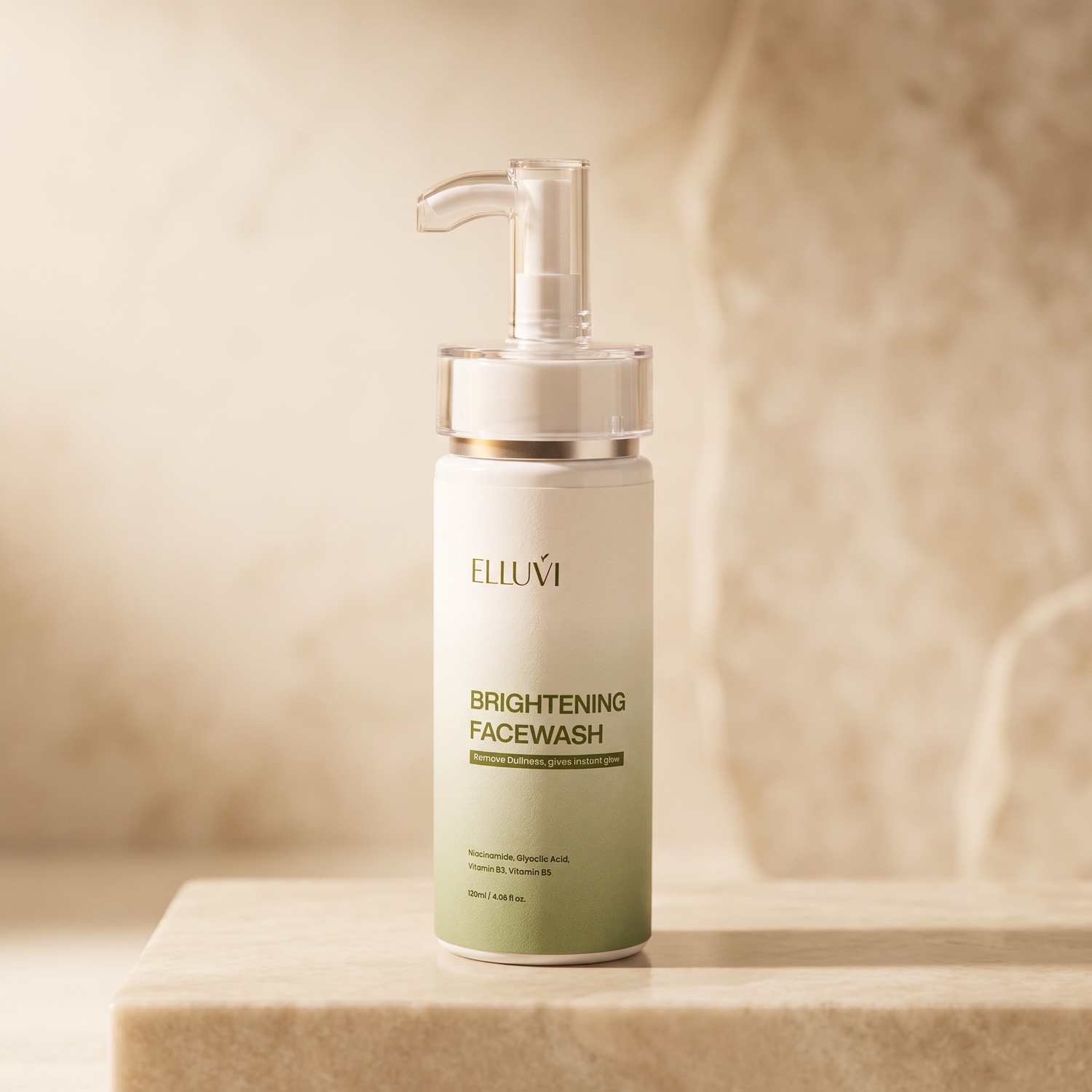
The best face wash in Pakistan should clean sweat, SPF, pollution and oil without stripping the barrier. For dullness, texture and uneven tone, a measured active cleanser can help: Elluvi Brightening Face Wash uses 5% glycolic acid with 5% niacinamide, but beginners should start once daily.
Elluvi makes one face wash: glycolic acid 5% with niacinamide 5%, 120 ml at Rs. 849. It suits dull and oily skin. For active acne, a salicylic acid wash from another brand is the better first buy.
Reviewed

Face washes in Pakistan compared
The finding worth having before you shop: this market almost never states a percentage. Reading a Pakistani cleanser catalogue of two dozen products on 5 September 2026, not one gave a percentage for any active, and most gave no size either. So the two things you can actually compare are price per millilitre and whether an active is even named.
Prices below were read on 5 September 2026, from each brand's own product page where the brand sells direct and from Pakistani retailer listings otherwise. Spread across the same shelf, a face wash costs anywhere from Rs. 1.3 to Rs. 16 per millilitre and the expensive end is not reliably the one that tells you more. Bear in mind what a cleanser can do at all: it is on skin for under a minute, so an acid in a wash is a small bonus and the leave-on steps do the work. Buy the wash on gentleness and price per millilitre, and spend the money on a serum.
| Face wash | Stated actives and size | Price |
|---|---|---|
| Elluvi Brightening Face Wash | Glycolic acid 5%, niacinamide 5%, panthenol 1% — percentages stated, which is unusual here. 120 ml | Rs. 849 (Rs. 7.1 per ml) |
| B&B Dermaceuticals Acne Free Face Wash | Salicylic acid 2%, stated. 250 ml | Rs. 749 (Rs. 3.0 per ml) |
| Himalaya Moisturizing Aloe Vera Face Wash | Aloe vera named, no percentage. 100 ml | Rs. 349 (Rs. 3.5 per ml) |
| Nivea Clear Up Salicylic Acid Face Wash | Salicylic acid named, no percentage. 150 ml | Rs. 1,800 (Rs. 12.0 per ml) |
| Vince Vitamin C Face Wash | Vitamin C named, no percentage or form. 120 ml | Rs. 1,360 (Rs. 11.3 per ml) |
| Maxitech Acne Soft Face Wash | No actives named. 120 ml | Rs. 680 (Rs. 5.7 per ml) |
| CeraVe Foaming Facial Cleanser | Ceramides and niacinamide named, no percentages. 236 ml, grey imported — the same bottle was Rs. 3,550 at one Pakistani seller and Rs. 7,050 at another on the same day | Rs. 3,550–7,050 imported |
What to look for in a face wash
Choose a cleanser by skin type and concern: gentle surfactants for daily cleansing, glycolic acid for dullness and texture, salicylic acid for clogged oily skin, and niacinamide for barrier support and tone.
Pakistan's heat, dust, sweat and hard water make over-cleansing easy. A cleanser should leave skin clean, not tight or squeaky.
Glycolic acid face wash for beginners
Start a glycolic acid face wash once daily, preferably at night. Massage for about 30 seconds, rinse well, then apply moisturiser. Increase frequency only if your skin stays comfortable.
Elluvi Brightening Face Wash is Rs. 849 for 120 ml and includes 5% glycolic acid plus 5% niacinamide.
Face wash for oily skin in Pakistan
Oily skin needs cleansing, not harsh stripping. A light active cleanser can remove oil and buildup, but it should be followed with a lightweight moisturiser so the barrier stays comfortable.
Much of what looks like oily skin here is dehydrated skin overcompensating after being stripped. There is a full guide on face wash for oily skin covering ingredients, washing frequency and what to avoid in humidity.
Hard water and why cleansers behave differently here
Much of Pakistan's tap water is hard, meaning high in calcium and magnesium. Hard water reacts with cleanser surfactants to leave a fine residue on skin, which is why the same product can feel squeaky in Lahore and comfortable elsewhere.
You cannot change the water, but you can work around it. Rinse with lukewarm rather than hot water, use your hands instead of a cloth, and keep the actual wash to about 30 seconds. If skin still feels tight after rinsing, that tightness is the residue plus a stripped barrier, not cleanliness.
Morning and night: do you need to wash twice?
Most people do better with a full cleanse at night and a lighter one in the morning. Night is when sunscreen, pollution and sweat need to come off properly. Morning skin is only carrying what you applied the night before.
If you use an active cleanser, night is the sensible slot. In the morning, water alone or a gentle wash is enough for most skin types. Twice-daily active cleansing is where a lot of irritation starts.
Face wash for dry and sensitive skin
Dry and sensitive skin usually does better with a gentle, non-foaming cleanser and no daily acids. If you want the benefits of glycolic acid, use it two or three nights a week rather than every day, and always moisturise afterwards.
Apply a small amount to a discreet area of the jawline once daily for 2–3 days. Stop if persistent redness, itching or irritation occurs. If you get stinging that lasts beyond a minute, persistent redness, or flaking around the nose and mouth, reduce frequency before you abandon the product entirely.
Can face wash help dark spots?
A face wash can support smoother, brighter-looking skin, but dark spots need leave-on care too: vitamin C in the morning, retinol at night if tolerated, moisturiser and daily SPF.
Sunscreen is not currently sold by Elluvi. Use a broad-spectrum SPF 30 or higher from a trusted brand.
Five common face wash mistakes
The usual mistakes are washing with hot water, scrubbing with a cloth or brush, using an active cleanser twice a day, skipping moisturiser because skin feels oily, and switching products every two weeks before anything has had time to work.
Give any new cleanser at least four weeks before judging it. Skin turnover takes roughly that long, and most of the changes people expect in a week simply cannot happen that fast. The exception is irritation, which is immediate feedback and should be acted on straight away.
What to apply after cleansing
Order matters more than product count: cleanse, then treat with a serum on damp skin, then moisturise. In the morning, finish with SPF. At night, finish with moisturiser.
A cleanser is a rinse-off step, so it has limited time on skin. The leave-on products do most of the work. If you only add one thing after a face wash, make it a moisturiser, not another active.
How to use a face wash properly
Wet your face with lukewarm water, warm a pea-sized amount between your palms, massage in circles for about 30 seconds, rinse thoroughly, and pat dry with a clean towel. Apply moisturiser while skin is still slightly damp.
Three details make most of the difference. Thirty seconds is longer than it feels, and most people stop at ten. Rinsing thoroughly matters more with hard water, since leftover residue is what causes tightness. And patting rather than rubbing dry avoids the friction that leaves skin red before you have applied anything.
Cleanser or face wash: is there a difference?
In everyday use the terms overlap. Broadly, a face wash foams and rinses off with water, while a cleanser can be a milk, balm, oil or micellar water that may be wiped away. Face washes suit oily and combination skin; cream and oil cleansers suit dry and sensitive skin.
Many people benefit from both: an oil or micellar cleanser first to break down sunscreen and sweat, then a face wash to clean the skin underneath. That double step is worth it at night in a polluted city, and unnecessary in the morning.