
Skincare routine in Pakistan
A good skincare routine in Pakistan should stay simple: cleanse without stripping, use one targeted serum, moisturise lightly, and protect with SPF every morning. Pakistan's heat, humidity, pollution and UV exposure make consistency more useful than using many strong products at once.
Reviewed

Morning skincare routine
Start with a gentle cleanse, then use vitamin C or niacinamide depending on your concern. Follow with a lightweight moisturiser and broad-spectrum SPF. In Pakistan, sunscreen is not optional if you are working on dullness, dark spots or early signs of aging.
Sunscreen is not currently sold by Elluvi. Use a broad-spectrum SPF 30 or higher from a trusted brand.
Night skincare routine
At night, remove oil, sweat and pollution, then use a treatment serum. Niacinamide suits daily barrier support. Retinol is better kept for 2-3 nights a week at the start, followed by moisturiser.
If your routine includes retinol, avoid using another retinol product on the same night. Build slowly so the skin barrier stays comfortable.
Routine for humid weather
Choose lightweight textures. A serum plus a non-greasy moisturiser is usually enough for oily and combination skin. Heavy oils can feel uncomfortable in Lahore, Karachi and other humid conditions.
Quick routine comparison
For oily skin, start with cleanser, niacinamide serum and light moisturiser. For pigmentation, use vitamin C in the morning and retinol at night. For dryness, keep the routine focused on moisturiser, hyaluronic acid and barrier support.
The steps are the same four for everyone. What changes between skin types is the texture you choose at each step and how often the strong ones come round, and that is what the table sets out. Two rules survive every version of it. Sunscreen is the step with the largest effect and the one most often dropped, and no skin type is exempt from it. And nothing in the night column should be started in the same fortnight as anything else in it — if two new actives go on together and something stings, you have no way of knowing which one to stop.
Swipe the table sideways to see every column.
| Step | Oily and combination | Dry | Acne-prone |
|---|---|---|---|
| Cleanse, morning and night | Gel or foaming, twice a day. Stop if skin feels tight afterwards | Cream or gentle gel. Once at night is enough for most people | Gentle, twice a day. Acne is not treated by the cleanser, whatever the label says |
| Treat, morning | Niacinamide 10% with zinc, or vitamin C on dull days | Vitamin C, or nothing at all on days when skin is unhappy | Niacinamide. Leave the medicated actives for the night step |
| Moisturise | Light gel or lotion. Oily skin still needs this step | Ceramides or urea, applied to slightly damp skin | Light and non-greasy. Skipping it makes most acne treatments harder to tolerate |
| Sunscreen, morning only | Fluid or gel SPF 50. The step that protects everything else in the column | Cream SPF 50, over moisturiser | SPF 50 that feels wearable. Several acne actives increase sun sensitivity |
| Treat, night | Retinol two or three nights a week, once niacinamide is settled | Retinol at a low percentage, one or two nights, buffered with moisturiser | Salicylic acid or azelaic acid. Add one, wait a month, then consider the other |
The correct order to apply products
Thinnest to thickest. Morning: cleanser, vitamin C serum, moisturiser, SPF. Night: cleanser, treatment serum, moisturiser. If you use a retinol cream, it replaces both the treatment and the moisturiser step.
Order matters because a thick cream applied first blocks the thinner products behind it. It does not need to be precise beyond that. Waiting exact numbers of minutes between steps is not necessary; letting each layer settle for a few seconds is enough.
A starter routine if you have never used skincare
Three products: a gentle cleanser, a moisturiser and an SPF. Use those for a month before adding anything. Then add one serum, and give that four weeks before adding another.
Almost everyone starts with too many products at once, then cannot tell which one caused the reaction. Starting with three feels slow but gets you to a working routine faster, because every addition after that gives you clear information.
Morning versus night: what actually differs
Morning is protection: antioxidants and sunscreen. Night is repair: retinol and richer moisture. The cleanser and moisturiser can be the same at both ends of the day.
This is why vitamin C sits in the morning and retinol at night, rather than any rule about them clashing. Vitamin C supports sun defence during the day. Retinol makes skin more sun-sensitive and works with the skin's own overnight repair cycle.
Building a routine around Pakistan's seasons
Summer needs lighter textures, more diligent SPF and often less frequent actives. Winter needs richer moisture and is the easier season to build retinol tolerance in.
Load-shedding and air conditioning both matter more than people credit. Long hours in AC dry skin out much like winter air does, so a routine that works in a cool office may not suit the same person outdoors. Adjust the moisturiser rather than the whole routine.
How long before a routine shows results
Hydration and comfort improve within one to two weeks. Brightness and texture take four to eight. Fine lines and firmness take three to six months. Nothing worth having moves faster than that.
Set the timeline before you start, because the four-week mark is where most people abandon a routine that was about to work. Take a photo in the same light on day one so you have something honest to compare against.
Shop what this guide covers
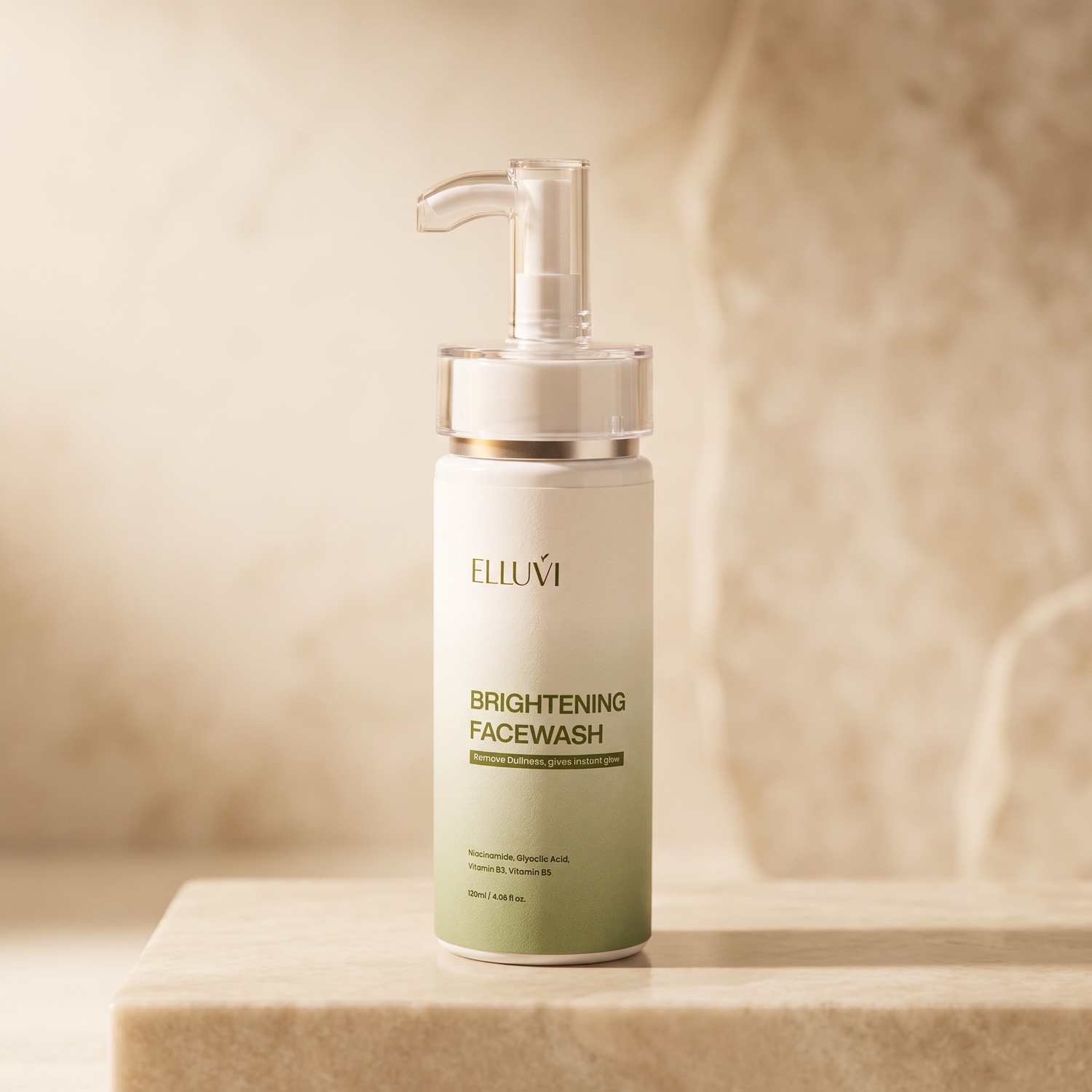
Glycolic acid face wash for dullness, congestion and uneven texture
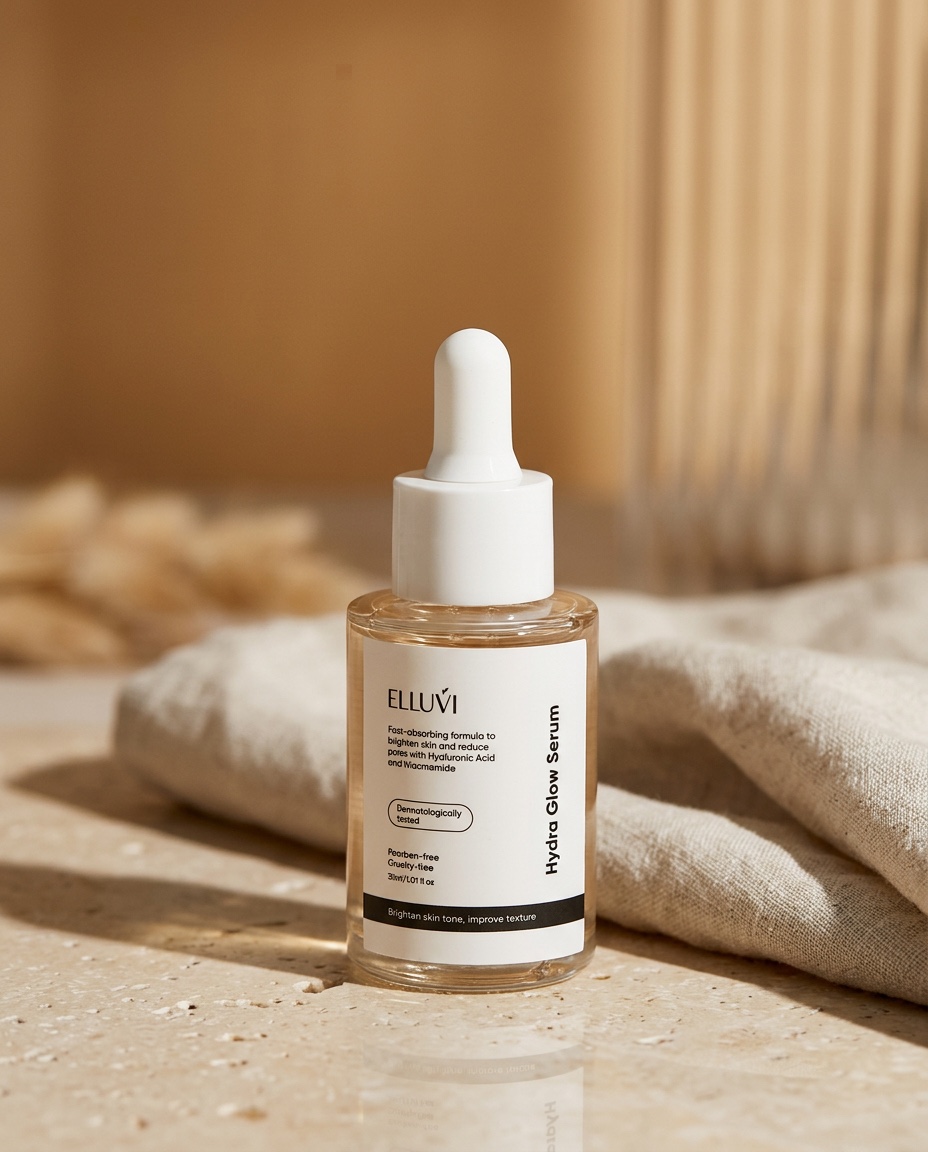
Niacinamide serum for dull, dehydrated, uneven-looking skin
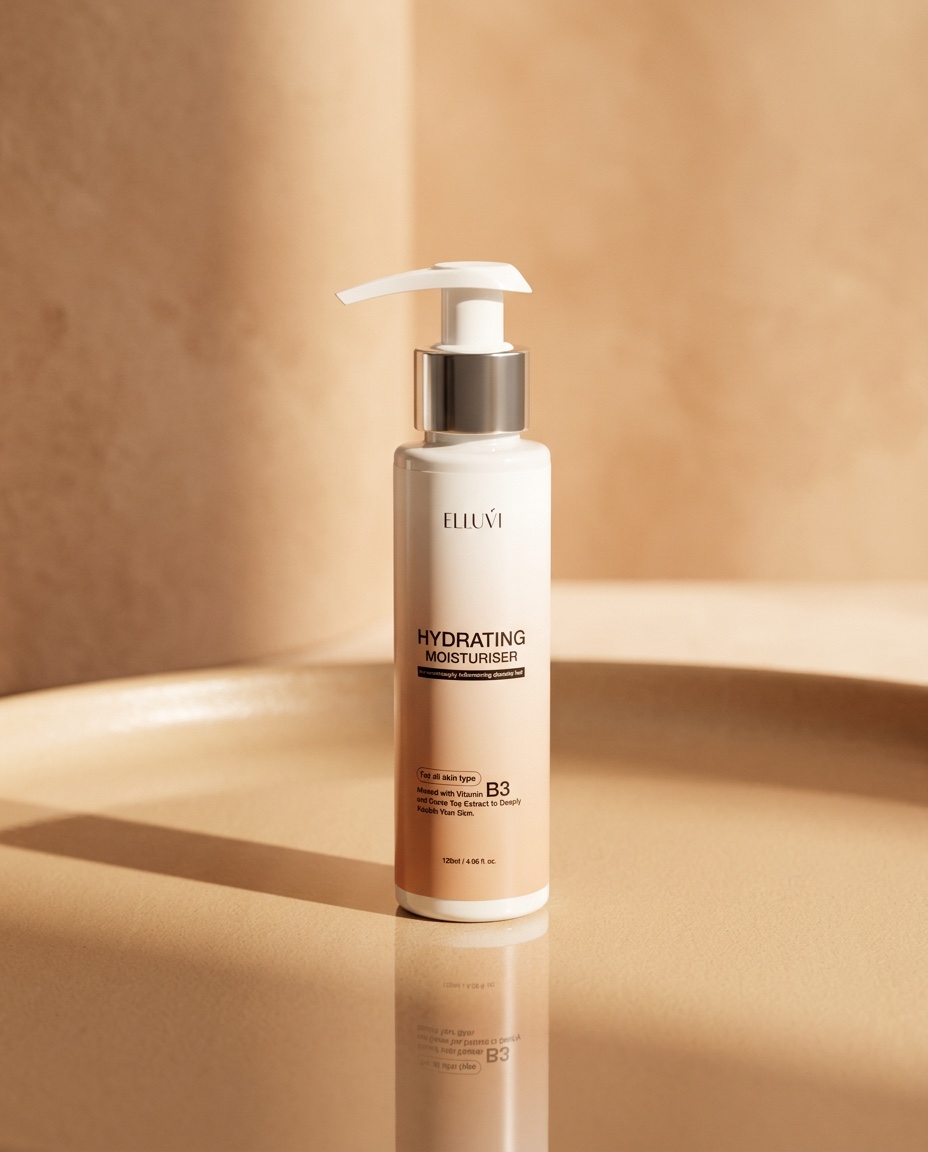
Hydrating moisturiser for dryness, tightness and daily comfort
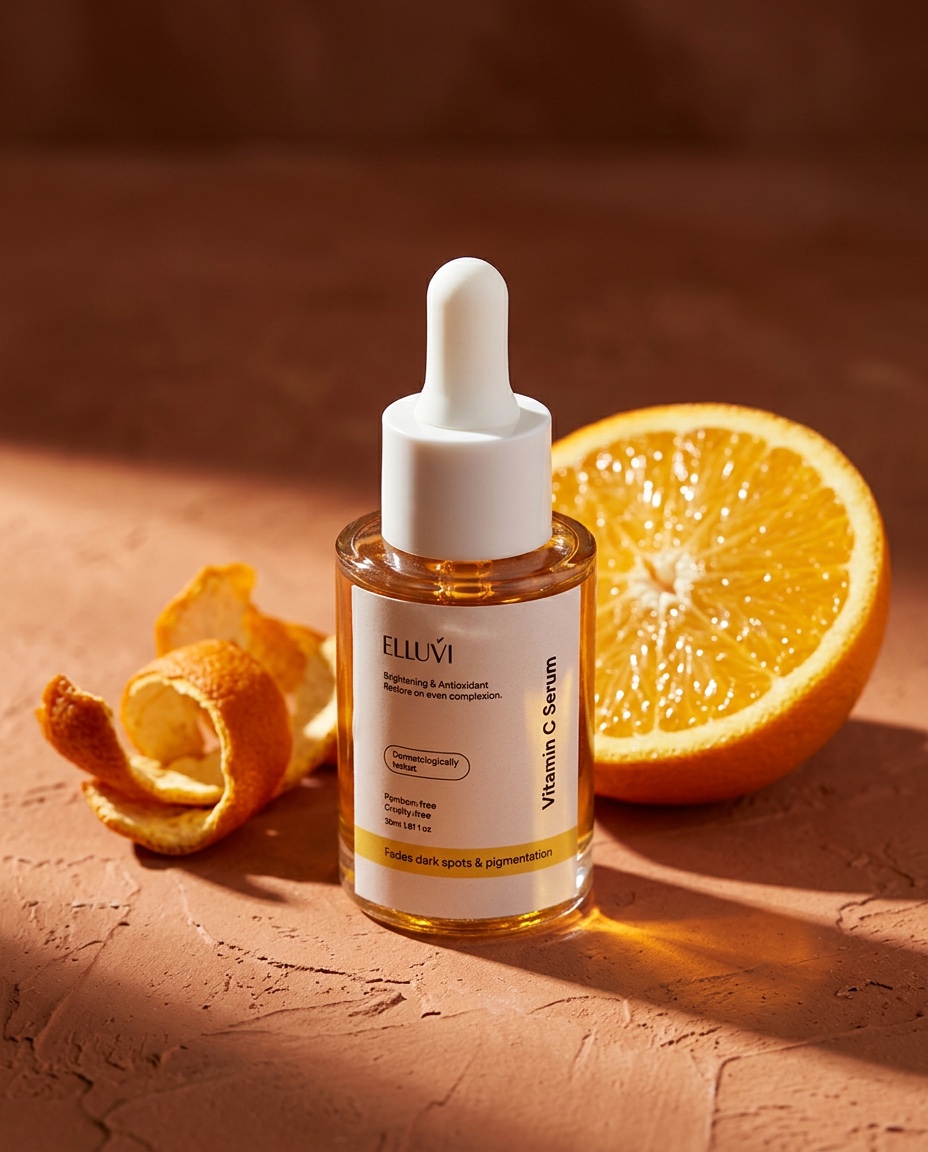
Vitamin C serum for dark spots, sun damage and dullness