
How Elluvi compares
Our product next to the first 3 from the comparison further down, cell for cell. Elluvi wrote this guide.
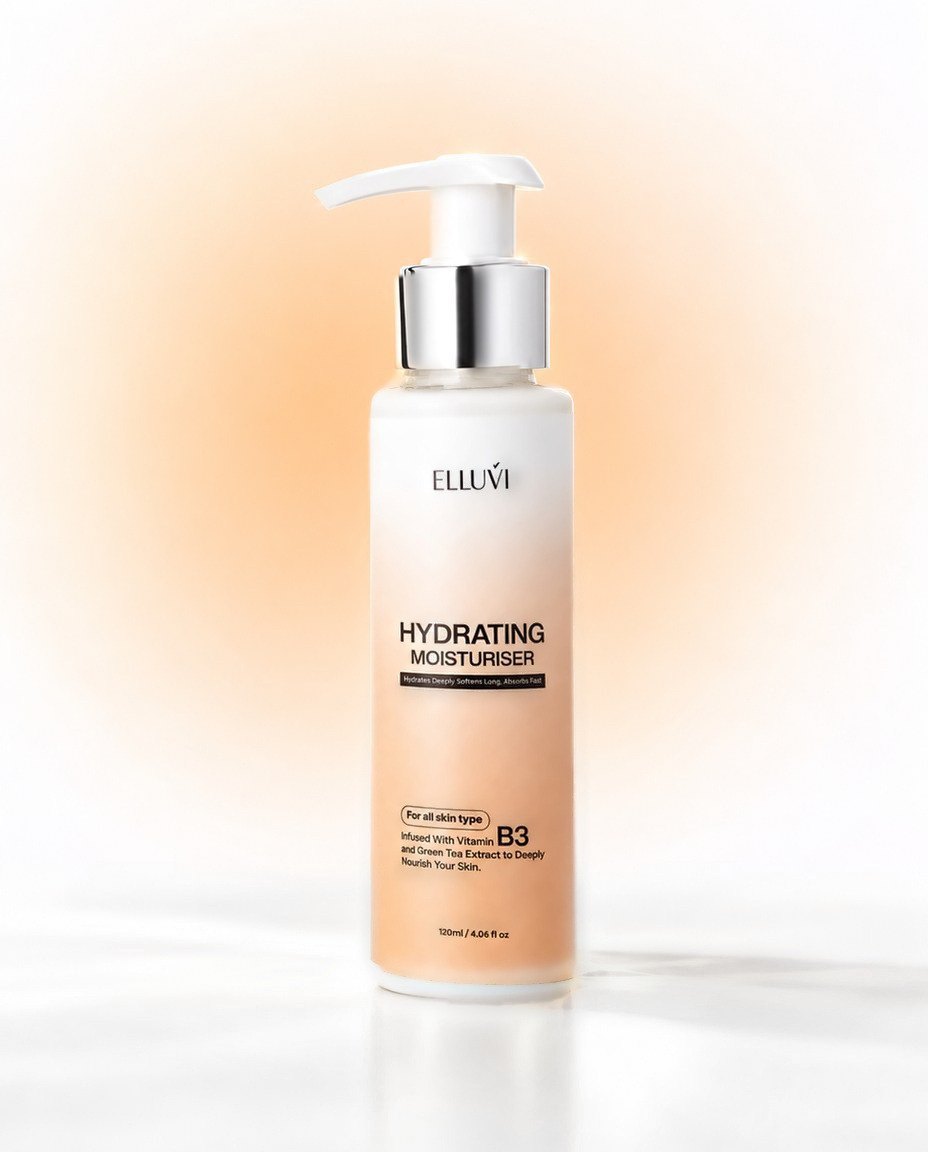
- Light cream-gel, 120 ml. Niacinamide 5%, hyaluronic acid 1%, alpha arbutin 1%, with Ceramide NP and EOP and aloe vera; headline percentages stated
- Rs. 1,249 (Rs. 10.4 per ml)
- Oneskin Dewy Glow Brightening Gel Moisturizer
- Gel, 50 ml. Niacinamide stated at 5%; vitamin C, hyaluronic acid and glutathione listed without percentages
- Rs. 1,250 (Rs. 25.0 per ml)
- Jenpharm Dermive Oil Free Moisturizer
- Oil-free lotion, 100 ml. No active percentages are stated on the product page
- Rs. 1,098
- Jenpharm Dermive Oily Moisturizer
- Lightweight lotion with SPF 20, so it replaces a day moisturiser rather than a sunscreen. Size and percentages not stated
- Rs. 1,098
COD across Pakistan · Free delivery on orders of Rs. 1,000 and above · 14-day returns, even if opened

Which moisturizer is best for oily skin in Pakistan?
Compare three things: texture, whether the actives are stated with percentages, and price per millilitre rather than price per bottle. A 50 ml gel at Rs. 1,250 costs two and a half times per millilitre what a 120 ml cream-gel at Rs. 1,249 does, and moisturiser is the step you use most.
Prices for Elluvi, Oneskin and Jenpharm were read from each brand's own product page on 5 September 2026. The drugstore and imported rows were read from Pakistani reseller listings the same day, because those brands do not sell direct here — imported pricing varies so widely between sellers that it is given as a band rather than a quote. Where a page does not state a percentage, that is recorded as not stated rather than guessed at; the absence is itself the useful information. The Jenpharm rows were re-read on 11 September 2026: Dermive moved from Rs. 988 to Rs. 1,098 in the six days after the rest of this table was checked, which is a useful reminder that every price on a page like this is a price on a date.
Swipe the table sideways to see every column.
| Moisturiser | Texture and stated actives | Price |
|---|---|---|
| Oneskin Dewy Glow Brightening Gel Moisturizer | Gel, 50 ml. Niacinamide stated at 5%; vitamin C, hyaluronic acid and glutathione listed without percentages | Rs. 1,250 (Rs. 25.0 per ml) |
| Jenpharm Dermive Oil Free Moisturizer | Oil-free lotion, 100 ml. No active percentages are stated on the product page | Rs. 1,098 |
| Jenpharm Dermive Oily Moisturizer | Lightweight lotion with SPF 20, so it replaces a day moisturiser rather than a sunscreen. Size and percentages not stated | Rs. 1,098 |
| Pond's Light Moisturiser Cream | Drugstore lotion, 75 ml. No actives stated | Rs. 425 (Rs. 5.7 per ml) |
| Neutrogena Hydro Boost Water Gel and other imported gels | Gel, 50 ml. Hyaluronic acid, percentage not stated. Imported through resellers, so storage varies by seller | Rs. 1,800–4,500 imported |
| Elluvi Hydrating Moisturiser (ours) | Light cream-gel, 120 ml. Niacinamide 5%, hyaluronic acid 1%, alpha arbutin 1%, with Ceramide NP and EOP and aloe vera; headline percentages stated | Rs. 1,249 (Rs. 10.4 per ml) |
Why oily skin needs moisturiser at all
Oil and water are different things. Skin can produce plenty of sebum and still be short of water, and a dehydrated barrier responds by producing more oil, not less.
The usual sequence is recognisable: skin feels greasy, so you skip moisturiser and wash more, so the barrier dries out, so oil production rises. Adding a light moisturiser interrupts that loop, and it usually looks worse for a week before it looks better.
Gel, lotion or cream
A cream is an emulsion with a high proportion of oils and occlusives, built to seal water into skin that is losing it. A lotion is the same idea with more water. A gel is mostly water and humectants with few or no heavy oils. Oily skin in a Lahore or Karachi summer is rarely losing water, so the gel or lotion end of that range is usually right.
These words are not interchangeable marketing labels, even though they are used as though they are. The format decides how the product feels at 40 degrees, whether it sits on the surface all afternoon, and whether it congests a pore already producing plenty of oil. The practical test is how it feels twenty minutes after applying: a film still sitting on the surface means the formula is too rich for this weather, and fully absorbed with no shine means it is right.
Best day cream for oily skin
A day cream for oily skin is simply a lightweight moisturiser used in the morning: a gel or gel-cream that absorbs fully, followed by sunscreen. It should not be a rich cream, and it does not need to be a separate product from the one you use at night.
Many products sold as day creams add a low SPF to a fairly rich base, which gives oily skin the heavy texture it does not want and too little sun protection to rely on. Two thin layers work better: a light moisturiser with niacinamide for oil, then a dedicated sunscreen of SPF 30 or more. For daily use in Pakistani heat, the same light moisturiser can cover morning and night; a richer night cream is only worth adding if your skin feels tight by bedtime.
The ingredient that actually reduces oil
Niacinamide, at 5% or more, is the ingredient with real evidence behind reducing sebum output and the look of enlarged pores. Zinc PCA supports it. Nothing about a cream base itself reduces oil.
This is why format and ingredient are separate decisions. A rich cream containing niacinamide will still feel heavy in August. A light gel containing nothing will feel pleasant and change nothing. You want the active in the lighter base.
The medicated cream trap
A large share of the creams sold in Pakistan for oily and acne-prone skin are unlabelled or vaguely labelled products containing steroids. They reduce redness and oil quickly, then cause rebound breakouts, thinned skin, visible capillaries and steroid-induced acne when stopped.
The tell is speed. Anything that visibly changes oily, congested skin within a week is not doing it through niacinamide. If a cream has no full INCI list, no product code and is sold on a promise of fast results, that is the category. The whitening face wash guide covers this market in more detail, and the honest summary is the same: fast is the warning sign, not the feature.
What to look for on the label
A stated niacinamide percentage, a water-first ingredient list, no heavy occlusives like petrolatum or shea butter near the top, and a full INCI list with a product code. "Non-comedogenic" and "oil-free" are unregulated terms and mean nothing on their own.
"Oil-free" is especially misleading, because plenty of oil-free formulas use silicones and waxes that feel just as heavy, while plenty of formulas containing a light oil sit perfectly well on oily skin. Read the position of ingredients in the list rather than the claim on the front.
What Elluvi recommends for oily skin
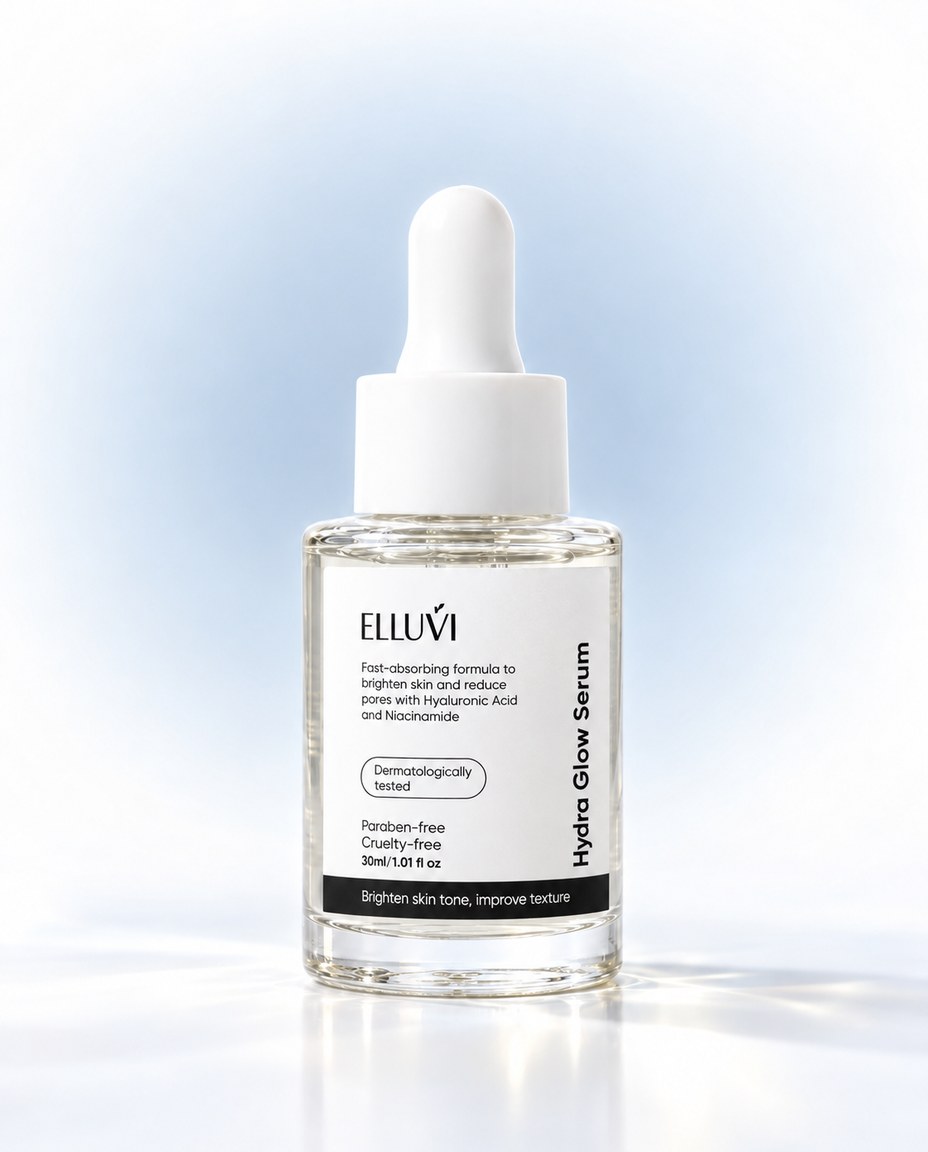
Hydrating Moisturiser at Rs. 1,249 for 120 ml — 5% niacinamide, 1% hyaluronic acid, 1% alpha arbutin, ceramides NP and EOP and aloe — as the daily layer, with Hydra Glow Serum at Rs. 1,149 for 30 ml underneath it for 10% niacinamide and 1% zinc PCA.
For oily skin, Elluvi Hydrating Moisturiser is a light cream-gel with niacinamide 5% for oil and hyaluronic acid 1% for water, in a format built for humidity rather than a heavy cream. It is the lighter of our two creams; Hydra Glow Cream is a retinol night cream at Rs. 1,449 for 50 ml and is a treatment used two to three nights a week, not a daily moisturiser for oily skin.
Ingredients worth looking for
Hyaluronic acid and glycerin to hold water, niacinamide for barrier support and the look of oil, and light emollients like squalane. Avoid heavy butters and mineral oil high in the ingredient list.
Elluvi Hydrating Moisturiser is 120 ml at Rs. 1,249 and is built around hyaluronic acid and niacinamide for daily morning and night use. Ingredients appear in descending order by quantity, so where something sits on the list tells you more than whether it appears at all.
What non-comedogenic actually means
It means the formula was designed to be less likely to block pores. It is not a regulated term, there is no standard test behind it, and it is not a guarantee for your skin specifically.
Treat it as a weak signal rather than a promise. Your own two-week experience with a product tells you more than the label does. If you break out in the same places within two weeks of starting something new, that is your answer regardless of what the packaging claims.
Applying it in humidity
Use less than you think, on slightly damp skin, and give it a minute before sunscreen. In Karachi or Lahore summers a pea-sized amount for the whole face is usually enough.
Damp skin matters because humectants pull water from whatever is nearest. On dry skin in dry air they can draw it out of deeper layers rather than holding it in. Applying within a minute of cleansing gives them water to work with.
Layering under sunscreen
Moisturiser first, wait about a minute, then sunscreen. Rushing the two together is what causes pilling, the little rolls of product that appear when you rub.
If pilling still happens, use less of both rather than switching products. It is almost always quantity and timing rather than incompatibility.
Summer and winter
Most oily skin in Pakistan needs a gel from roughly April to September and can move to a lotion in winter. Air conditioning dries skin much like winter air, so an office-based routine may need more than an outdoor one.
Rather than buying two products, many people use the same lightweight moisturiser year round and add a hydrating serum underneath when it gets cold.
Signs you have the wrong one
A greasy film after twenty minutes, congestion in the same spots within two weeks, or needing to blot constantly all point to a formula that is too rich. Tightness an hour later points to one that is too light.
Before switching, check the cleanser. Over-washing causes a lot of what gets blamed on moisturiser, and fixing the wash often fixes the complaint.
Open pores: why they look larger than they are
Three reasons, in order of how much they matter. A pore packed with oil and dead cells is visibly wider than an empty one. Sun-damaged skin loses the elasticity that holds the opening taut. And a larger oil gland makes a larger pore, which is the part you were born with.
Swipe the table sideways to see every column.
| Cause | Can it change? | What changes it | Timeline |
|---|---|---|---|
| Pore full of oil and dead cells | Yes | Retinoid, salicylic acid, regular cleansing | 4-8 weeks |
| Sun damage around the pore | Partly | Daily SPF, retinoid over months | 3-6 months |
| High oil production | Partly | Niacinamide; prescription options for severe | 8-12 weeks |
| Gland size you were born with | No | Nothing topical | — |
The things that make pores look worse
Pore strips, squeezing, alcohol-heavy toners and daily scrubbing. Strips tear the opening and it refills within days. Squeezing stretches it permanently. Stripping toners trigger more oil. Every one of these is sold hard into this search in Pakistan.
The sebaceous filaments people extract from their nose are not blackheads and not dirt — they are a normal part of how the pore works, and they refill in about a fortnight no matter what you do. Chasing them is the fastest way to end up with genuinely larger pores.
Shop what this guide covers
FAQs
One daily moisturizer, and one night treatment in a cream base. The Hydrating Moisturiser is the daily one, light enough for humidity and large enough at 120 ml to use on face and neck twice a day. Hydra Glow Cream is not a plain moisturizer: it is a retinol 0.3% treatment for two to three nights a week to start, not for pregnancy, and not to be layered with another retinol product.
Also see: Oily Skin in Pakistan