Skincare during pregnancy in Pakistan
Stop retinol and any retinoid for the whole pregnancy. Niacinamide, azelaic acid, hyaluronic acid and mineral sunscreen are generally considered safe and cover most of what people need. Salicylic acid is fine in a rinse-off wash at low percentage and best avoided as a leave-on. This page is general information, not medical advice: confirm anything you are unsure about with your own doctor.
Reviewed

What to stop, and what is fine to keep
Retinoids in every form are the clear stop. Most other common actives are considered acceptable, with salicylic acid the one that depends on format and strength. When a label does not state its percentage you cannot make this judgement at all, which is its own reason to avoid unlabelled products while pregnant.
Guidance here follows the general obstetric and dermatological consensus. It is not a substitute for your own doctor, who knows your history.
| Ingredient | Usual guidance | Why |
|---|---|---|
| Retinol, retinaldehyde, tretinoin, any retinoid | Stop for the whole pregnancy and while breastfeeding | Oral retinoids are established teratogens. Topical exposure is far lower, but the consensus is to avoid rather than estimate |
| Hydroquinone | Avoid | Absorption is materially higher than most topicals, and safer options exist for the same problem |
| Salicylic acid, leave-on | Usually avoided | Related to aspirin. A rinse-off wash at low percentage is generally treated differently from a leave-on treatment |
| Niacinamide | Generally considered safe | Widely used in pregnancy for barrier support and tone |
| Azelaic acid | Generally considered safe | Often the substitute recommended for both pregnancy acne and melasma |
| Hyaluronic acid, glycerin, ceramides | Generally considered safe | Hydrators with no systemic concern |
| Vitamin C | Generally considered safe | An antioxidant, unrelated to retinoids despite both being called vitamins |
| Mineral sunscreen, zinc or titanium | Generally considered safe and strongly advised | Sits on the surface. The single most useful product on this list during pregnancy |
The products of ours you should stop using
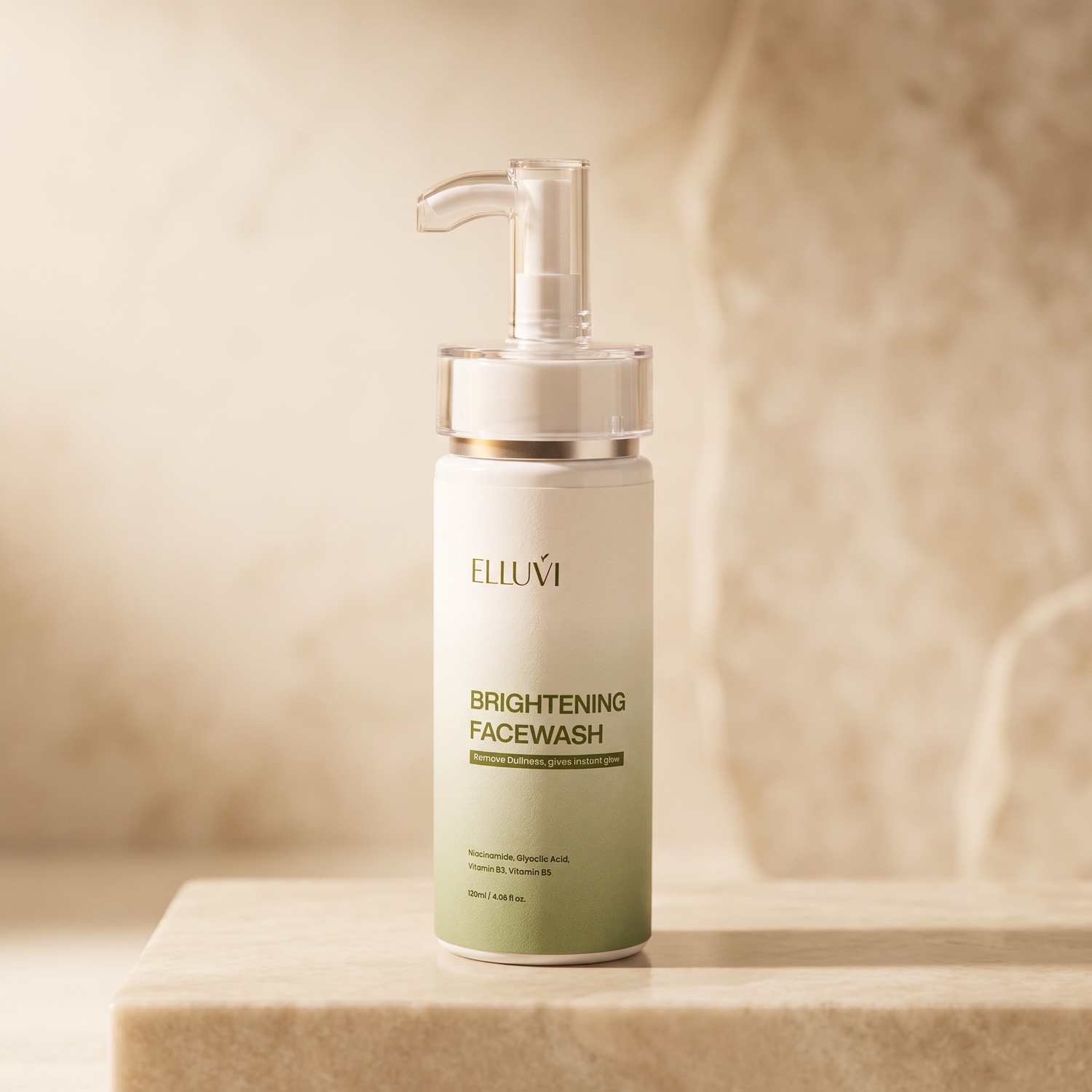
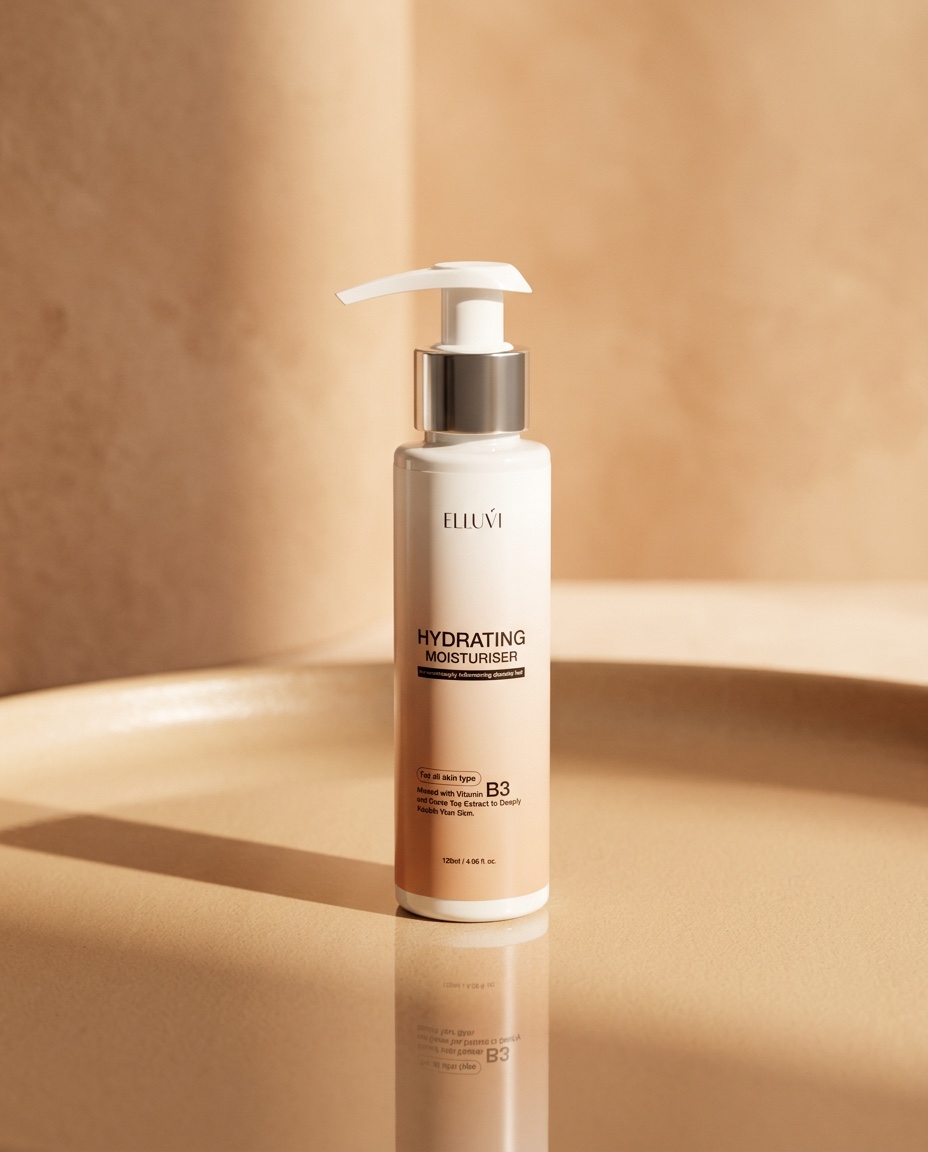
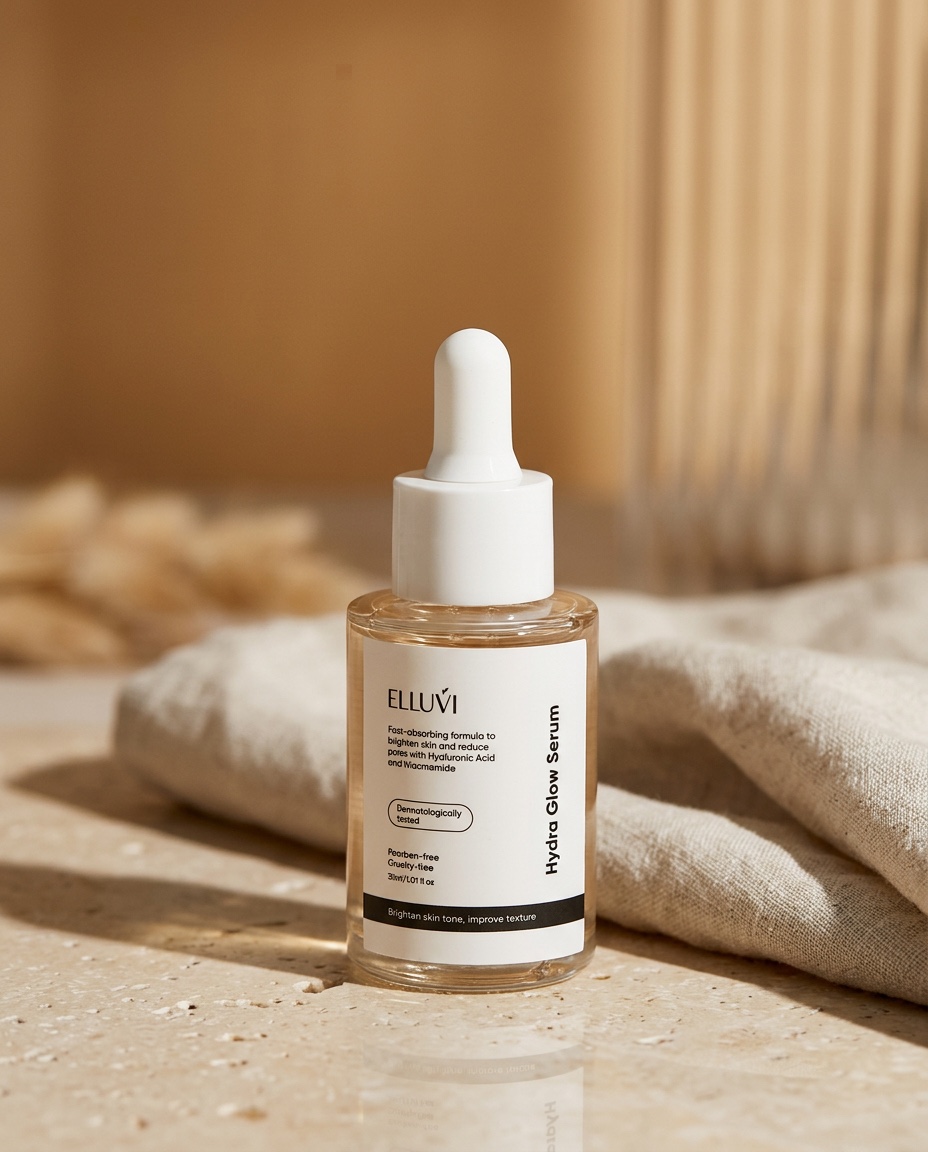
Elluvi Age Defying Serum states retinol 0.3% and Hydra Glow Cream states retinol 0.3%. Both are out for the duration. Brightening Facewash states glycolic acid 5%, which is rinse-off, and Hydrating Moisturiser and Hydra Glow Serum carry niacinamide and hyaluronic acid.
We would rather say this plainly than have someone work it out from an ingredient list halfway through a pregnancy. Two of the three products people buy from us most often are retinol products, and neither belongs in a pregnancy routine. If you have already used one before finding out you were pregnant, stop and mention it at your next appointment — topical exposure is low and this is a common situation, not an emergency.
Melasma is the reason most people are reading this
Pregnancy melasma is driven by hormones and sunlight together, and you can only control one of them. Daily sunscreen, reapplied, does more for it than any treatment product, and much of it fades on its own in the months after delivery.
Pakistan's UV index makes this harder than it is in a temperate country, and shade and a wide hat are doing real work rather than being a consolation prize. Azelaic acid is the active most often suggested during pregnancy for the pigment itself. Resist starting an aggressive brightening routine now: strong treatment on hormonally driven melasma, in this much sun, tends to end in irritation and rebound darkening rather than an even tone.
Pregnancy acne, without the usual toolkit
The two things people normally reach for, a leave-on salicylic acid and a retinoid, are both off the table. Azelaic acid is the common substitute, and a gentle rinse-off cleanser used twice daily matters more than usual.
Skin also gets more reactive in pregnancy, so this is the wrong moment to add three new products at once. One change, two weeks, then decide. Apply a small amount to a discreet area of the jawline once daily for 2–3 days. Stop if persistent redness, itching or irritation occurs.
Breastfeeding is not the same question
Most topical restrictions relax after delivery, but retinoids are usually still avoided while breastfeeding, and nothing active should be applied to the chest where an infant feeds.
Ask your doctor when to restart a retinoid rather than assuming delivery is the line. If you do restart, treat it as a fresh introduction — a few nights a week, buffered with moisturiser — because tolerance built before pregnancy will not have survived the gap.