
Best face wash for acne in Pakistan
A face wash is a supporting step for acne, not a treatment. It removes oil, sweat and sunscreen so the products that do the work can reach skin. For occasional breakouts a gentle cleanser with salicylic or glycolic acid can help. For persistent, painful or scarring acne, no cleanser is the answer and a dermatologist is.
Reviewed

What a face wash costs against what actually treats acne
No face wash treats acne. The treatments with real evidence are leave-on: a topical retinoid such as adapalene, and benzoyl peroxide. In Pakistan those cost less than most anti-acne face washes — a 15 g gel is listed at Rs. 395, where an imported acne cleanser reaches Rs. 9,345. Elluvi sells neither, and this table exists to say so plainly.
Prices were read on 5 September 2026, brand-direct where the brand sells direct in Pakistan and from Pakistani pharmacy and retailer listings otherwise; percentages for the medicated products are as those listings state them. Two things follow. Contact time is why the washes lose — a cleanser sits on skin for under a minute, a gel works overnight. And the medicated options are prescription products: starting benzoyl peroxide or a retinoid without someone competent looking at your skin is how people end up with a damaged barrier on top of the acne, so read the price as information rather than as an instruction.
Swipe the table sideways to see every column.
| Product | Type and stated strength | Price |
|---|---|---|
| Differin Gel, as listed in Pakistan | Leave-on gel, 15 g. The Pakistani listing states adapalene 0.1% with benzoyl peroxide 2.5%. Prescription. The evidence base for acne sits here, not in a cleanser | Rs. 395 |
| Clindaben Gel | Leave-on gel, 10 g. Clindamycin 1% with benzoyl peroxide 5%. Prescription | Rs. 495 |
| Acne Soft Bar | Cleansing bar, 75 g. Benzoyl peroxide 5% — but rinsed off within a minute, which is not how benzoyl peroxide was tested | Rs. 280 |
| B&B Dermaceuticals Acne Free Face Wash | Face wash, 250 ml. Salicylic acid 2%, stated | Rs. 749 (Rs. 3.0 per ml) |
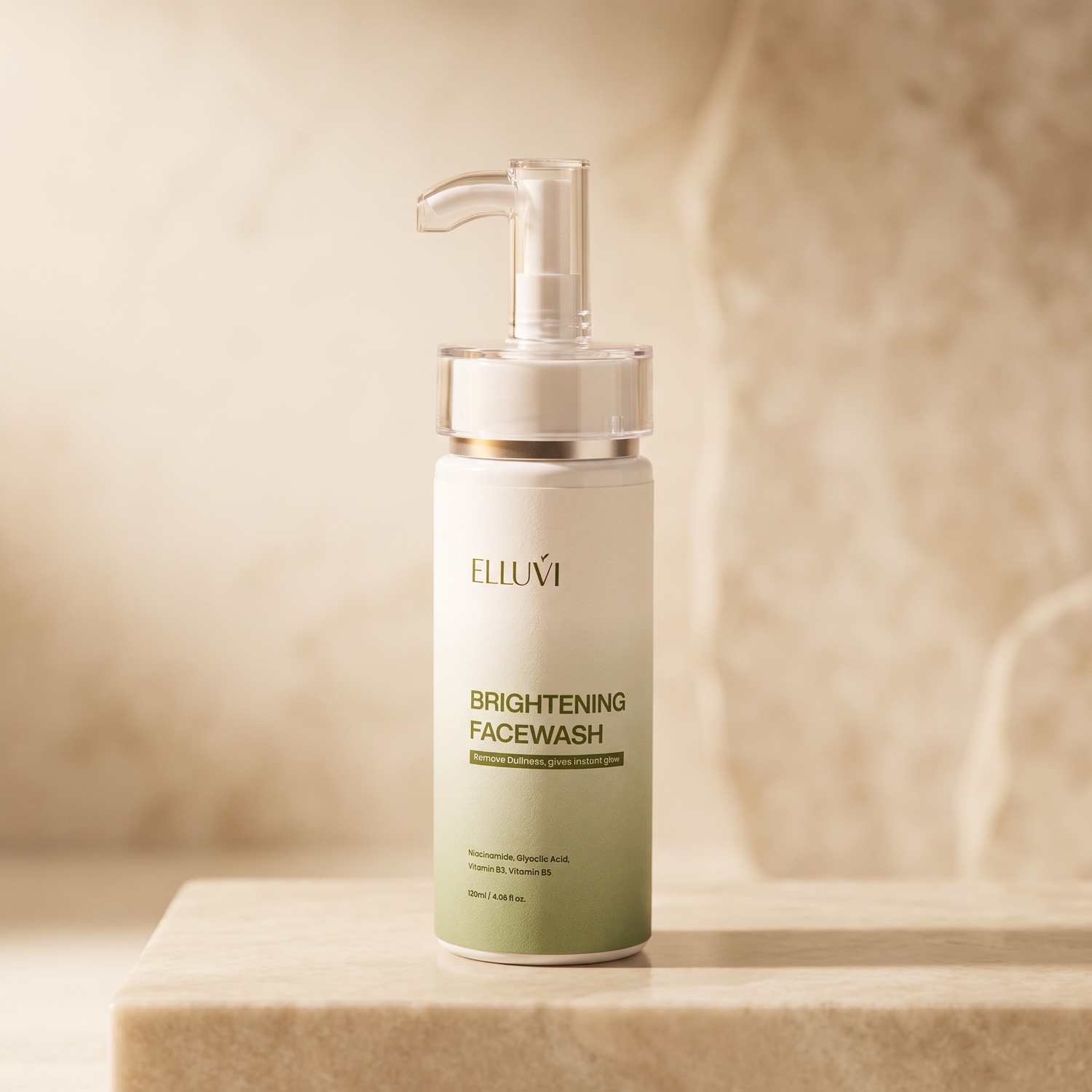
| Elluvi Brightening Face Wash | Face wash, 120 ml. Glycolic acid 5%, niacinamide 5%, panthenol 1%. Works on texture and dullness, not on active acne — we make no acne treatment | Rs. 849 (Rs. 7.1 per ml) |
| Trego Anti-Acne Cleanser | Face wash, 120 ml. Salicylic acid 2% stated, niacinamide unstated | Rs. 1,250 (Rs. 10.4 per ml) |
| PanOxyl and CeraVe acne cleansers | Face wash, 150–170 g. Benzoyl peroxide 4% to 10%. Grey imported | Rs. 8,033–9,345 imported |
What a cleanser can realistically do
A face wash has seconds of contact time before it is rinsed away. It can reduce surface oil and buildup and keep the skin clean enough for other steps to work. It cannot clear acne on its own.
This is worth being blunt about because the market is not. Most of the improvement people attribute to a cleanser comes from the leave-on products they started at the same time, or from finally stopping something that was irritating them.
Salicylic acid versus glycolic acid
Salicylic acid is oil-soluble, so it gets into pores and suits blackheads and congestion. Glycolic acid works on the surface and suits texture, dullness and post-acne marks. Neither is better outright; they address different things.
If your main complaint is clogged pores and blackheads across the nose and chin, salicylic is the better fit. If it is uneven texture and marks left behind after breakouts have healed, glycolic makes more sense. Elluvi Brightening Face Wash uses 5% glycolic with 5% niacinamide, which sits in the second category.
Why washing more makes acne worse
Over-cleansing strips the barrier, and a compromised barrier is both more inflamed and more prone to producing extra oil. Twice a day is the ceiling, and once with an active cleanser.
The instinct with acne is to attack it, and that instinct is usually what keeps it going. Scrubbing, hot water, harsh foaming washes and three cleanses a day all make skin angrier. Gentleness is not a soft option here, it is the effective one.
Acne and oily skin are not the same problem
Oily skin needs balance. Acne is an inflammatory condition involving bacteria, hormones and follicle behaviour. Plenty of people have one without the other, and treating acne as though it were simply oiliness is why so many routines fail.
That distinction also explains why oil-control products often disappoint people with acne. They address shine, which is not the mechanism causing the breakouts.
What to avoid
Physical scrubs with rough particles, alcohol-heavy astringents, bar soap, and stacking multiple actives at once. Each of these damages the barrier, and inflamed skin heals more slowly and marks more.
Picking deserves its own mention. Most of the lasting damage from acne is scarring and dark marks rather than the breakout itself, and both are made considerably worse by squeezing.
When to stop buying products and see a doctor
If breakouts are painful, cystic, leaving scars, or have not improved after about three months of a consistent gentle routine, see a dermatologist. Prescription treatment exists and works, and nothing on a shelf substitutes for it.
This is the most useful sentence on this page. A lot of money gets spent cycling through cleansers for a condition that needed medical treatment two years earlier, and the scarring that accumulates in the meantime is permanent in a way the acne is not.
Post-acne marks are a separate job
The dark marks left after a breakout heals are pigmentation, not acne. They respond to vitamin C, niacinamide, gentle exfoliation and daily sunscreen, over eight to twelve weeks.
Sunscreen matters most here. Pakistan's UV exposure darkens healing marks quickly, which is why they can seem to linger for months longer than they should.
Acne in Pakistani heat
Sweat itself does not cause acne, but leaving it on skin along with sunscreen and pollution gives congestion a head start. Rinse with water after being outside rather than reaching for the cleanser a third time.
Lightweight textures help for the same reason. A heavy moisturiser or a thick sunscreen sits on skin longer in humidity, and that is where the congestion complaint usually comes from.
Shop what this guide covers
FAQs
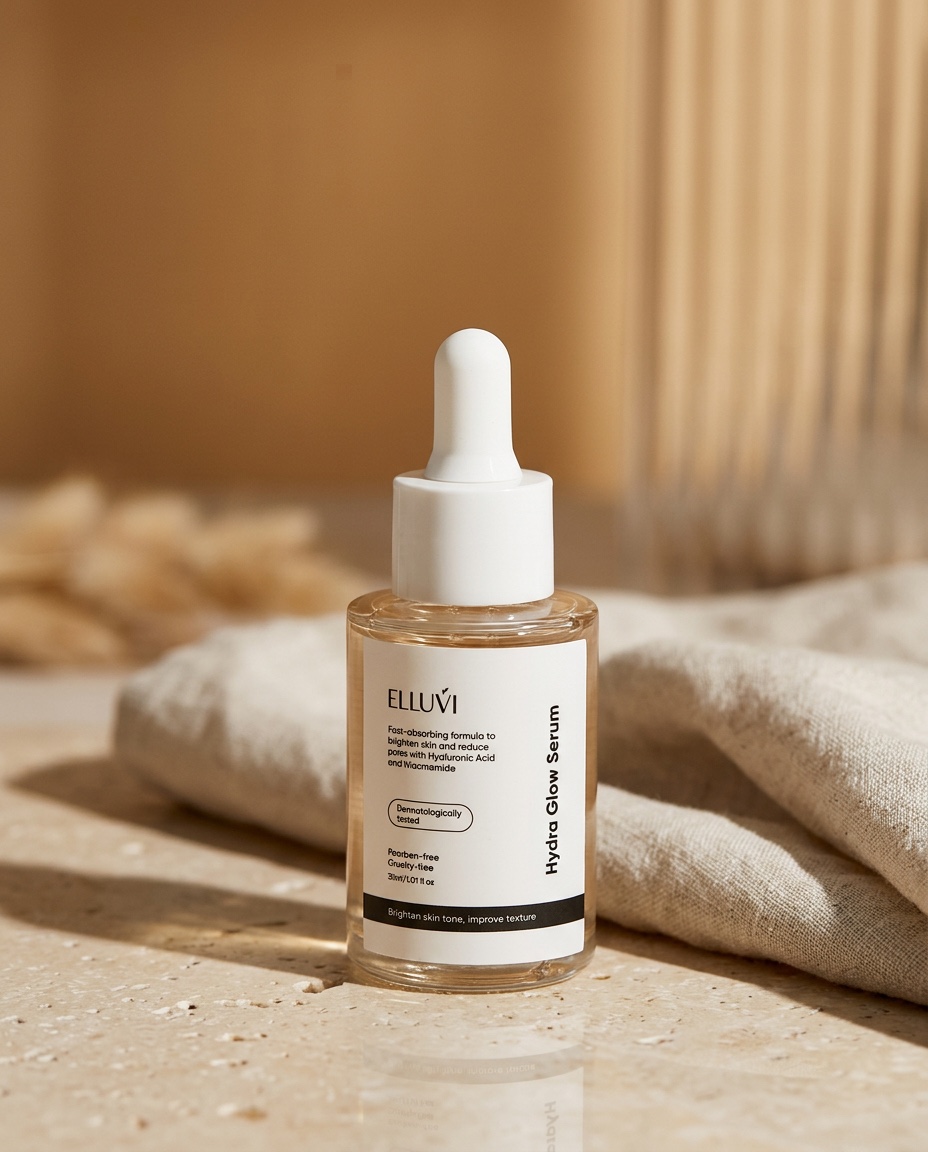
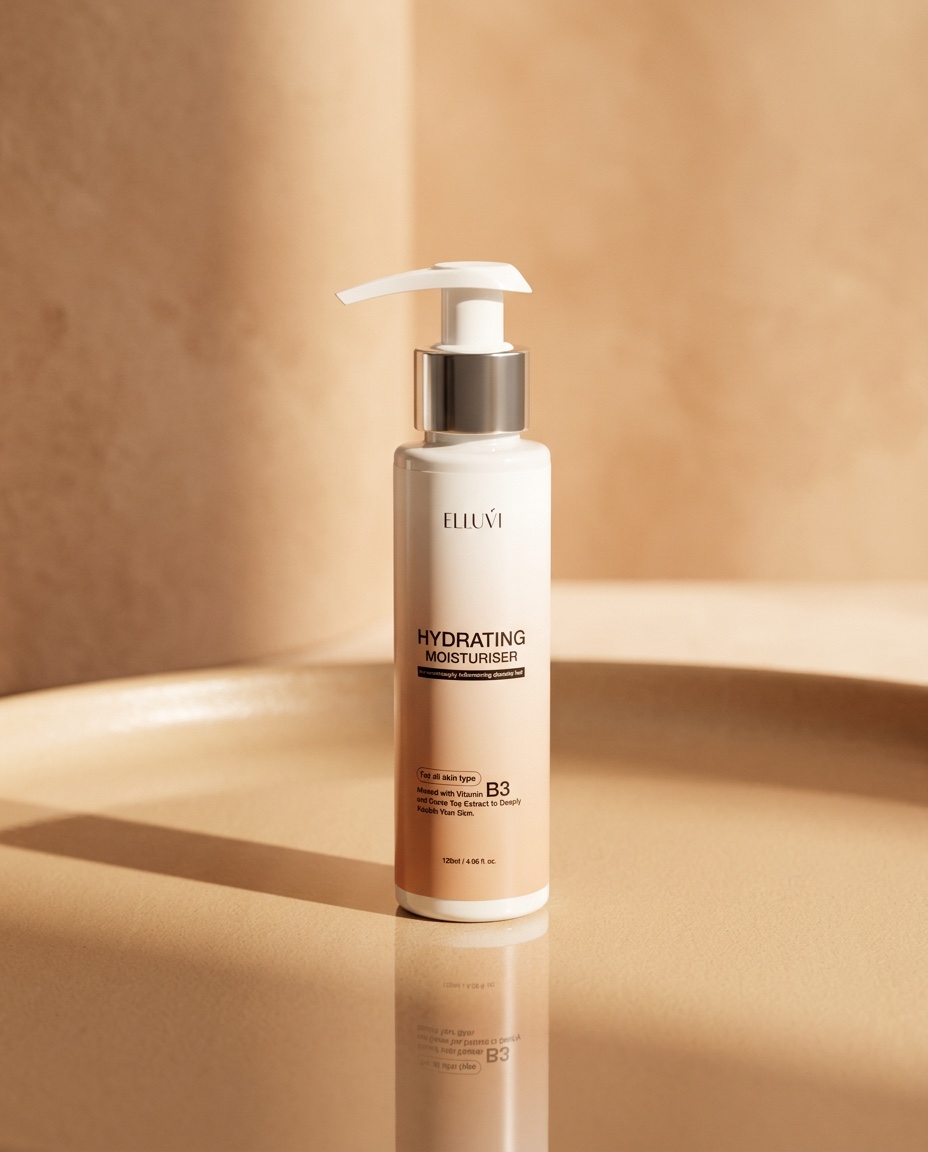
Three steps, one active doing the work in each. The Brightening Face Wash is 5% glycolic acid for oil, sweat and the day's pollution. Hydra Glow Serum is 10% niacinamide with 1% zinc PCA, which is the pairing with real evidence behind reducing sebum and the look of pores. The Hydrating Moisturiser is a 120 ml light lotion, because skipping moisturiser is one of the reasons oily skin stays oily.