How to tell if it is hormonal
Three signs point to hormonal acne: the breakouts cluster on the chin, jawline and lower cheeks; they flare in the week before a period; and they are deep, sore bumps rather than small whiteheads. Irregular periods, extra facial hair or hair thinning alongside it are worth mentioning to a doctor, because they can point to PCOS.
Location alone does not prove a hormonal cause. Phone screens, hands on the chin, dupatta friction and a pillowcase that is not changed often all add to chin breakouts too, and those are easy to fix first.
What skincare can do
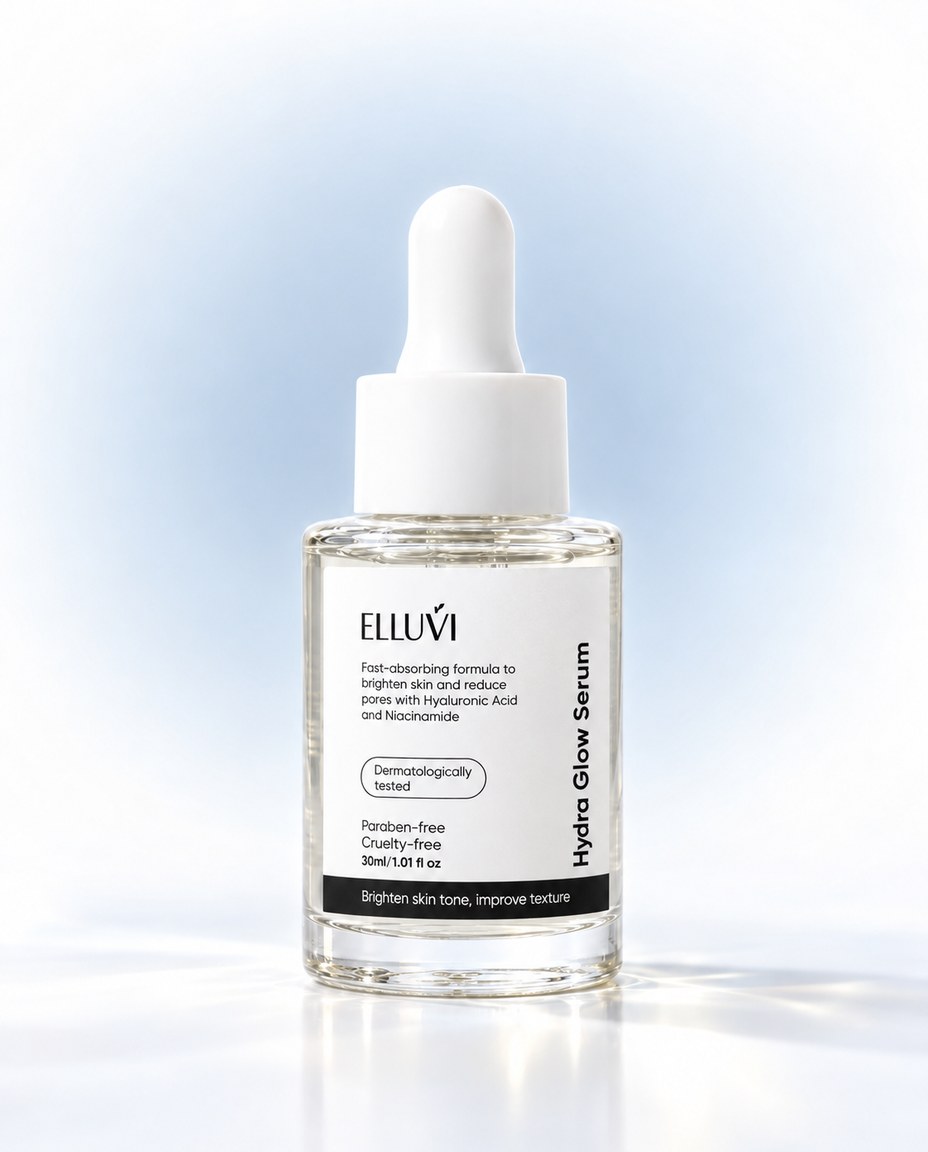
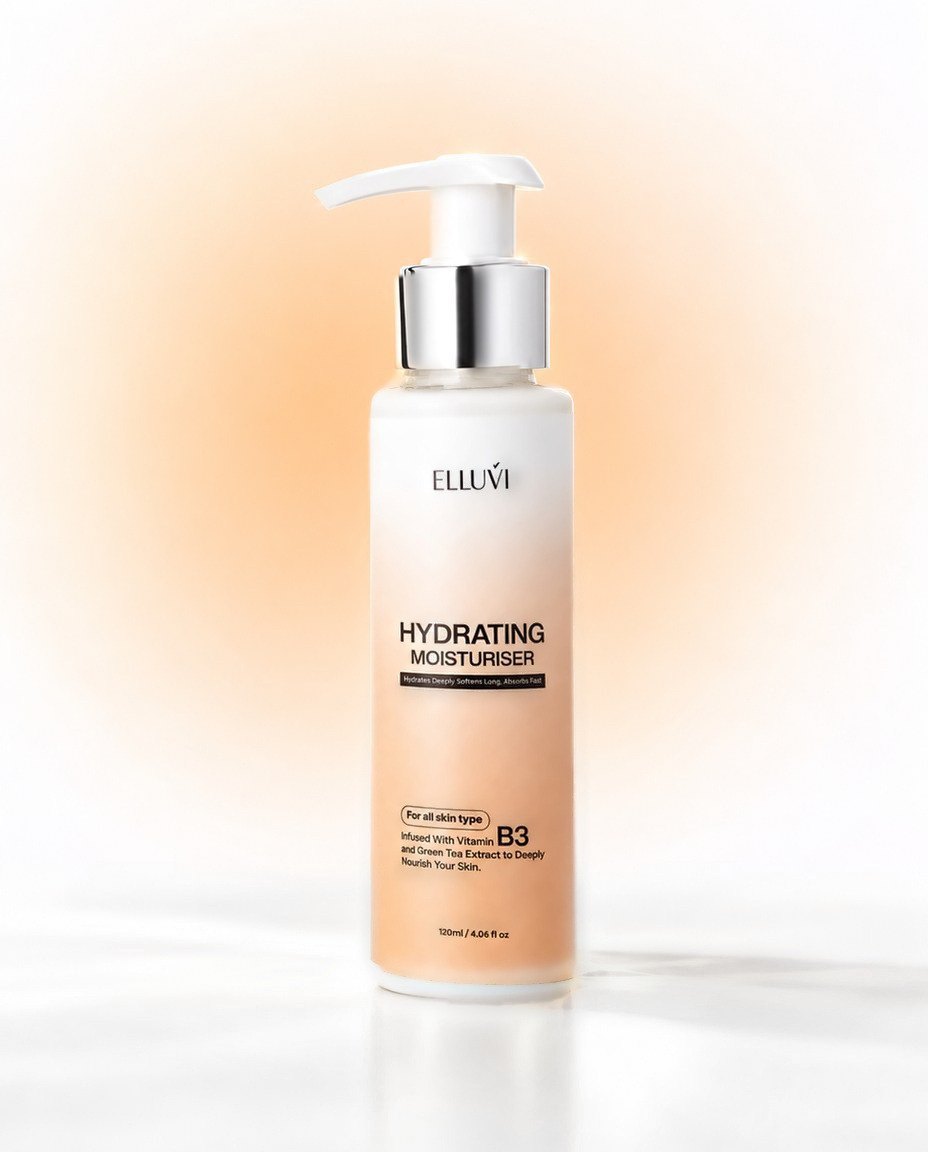
Use a 2% salicylic acid face wash once a day to keep pores clear, a niacinamide serum to calm oil and redness, a light moisturiser, and broad-spectrum SPF every morning so the marks the pimples leave do not darken. Do not pick or squeeze: that is what turns a pimple into a mark that lasts months.
Give a routine 8 to 12 weeks before judging it. Changing products every two weeks is the most common reason chin acne seems to never improve.
Swipe the table sideways to see every column.
| Step | What to use | How often |
|---|---|---|
| Cleanse | 2% salicylic acid wash (ours launches 24 October) | Once daily, evening |
| Treat | Niacinamide serum, e.g. Hydra Glow Serum Rs. 1,149 | Morning and night |
| Moisturise | Light, non-greasy moisturiser | Twice daily |
| Protect | Broad-spectrum SPF 30–50 | Every morning |
When it needs a dermatologist
See a dermatologist if the bumps are deep and painful, leave pitted scars, keep coming back after three months of a steady routine, or come with irregular periods or excess hair. Prescription options include adapalene, benzoyl peroxide and, for hormonal causes, treatment a doctor has to manage.
Do not start adapalene or other retinoids during pregnancy or while trying to conceive. Steroid creams sold for pimples make acne worse once they are stopped.