
Alpha arbutin serum in Pakistan: dark spots, melasma and realistic timelines
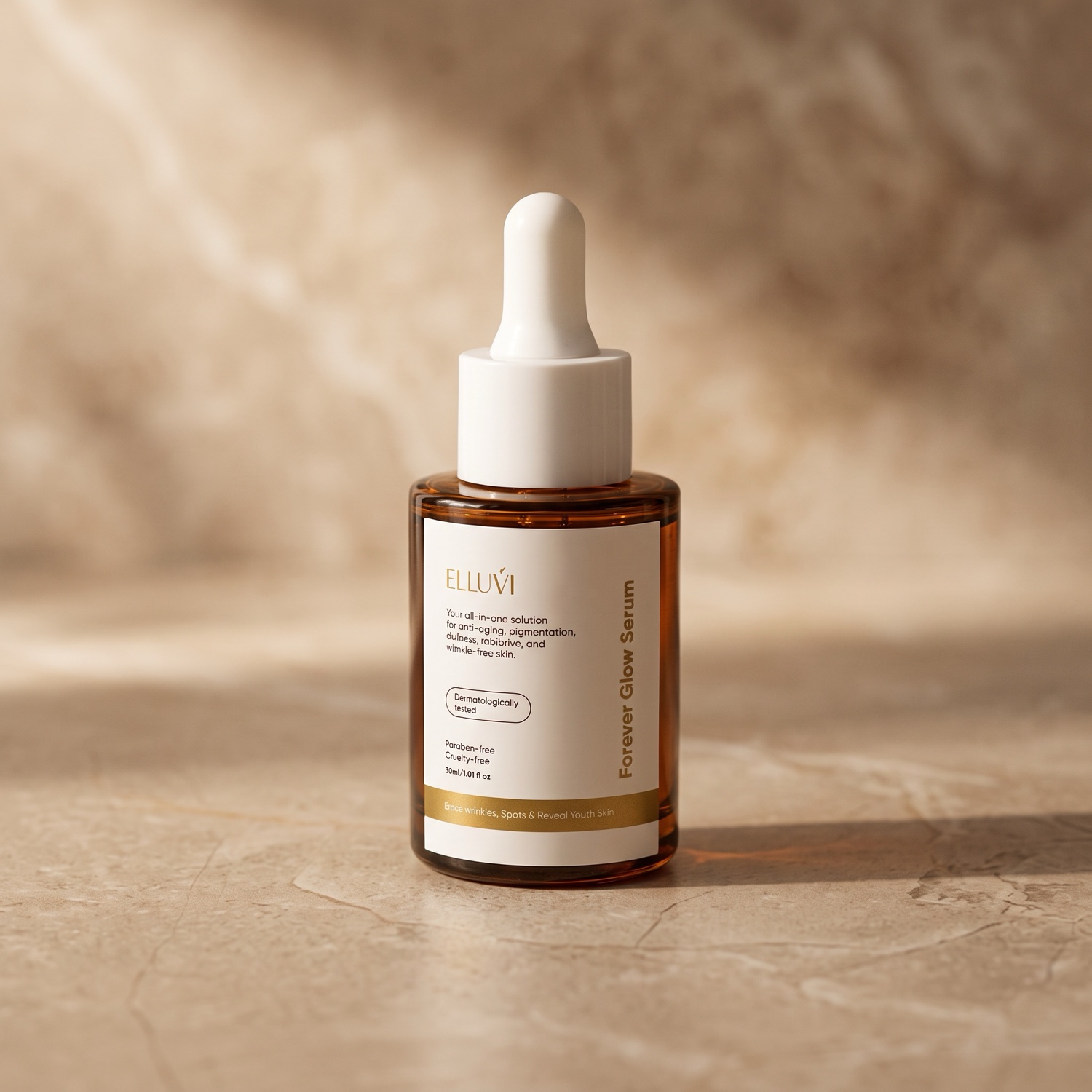
Alpha arbutin interrupts pigment production rather than bleaching what is already there. It is slower than hydroquinone and considerably safer for unsupervised use, which is why it has become the default brightening ingredient in cosmetic formulas. The working concentration is around 2%. Elluvi's alpha arbutin serum is the Age Defying Serum: 2% alongside retinol 0.3% and niacinamide 5%, so it is a night serum for people already used to retinol. Hydra Glow Cream carries the same 2% in a night cream, and the Hydrating Moisturiser has 1% for daytime.
Elluvi puts alpha arbutin 2% with retinol 0.3% in two night products: the Age Defying Serum, for people already used to retinol, and Hydra Glow Cream. For arbutin without retinol, the Hydrating Moisturiser carries 1%; for a stronger retinol-free serum, see the comparison below.
Reviewed

What alpha arbutin does
Alpha arbutin inhibits tyrosinase, the enzyme that starts melanin production. Less new pigment is made, so existing marks fade as skin turns over and nothing replaces them at the same rate.
That mechanism explains everything about how it behaves. It does not lighten skin that is already pigmented on contact, it cannot work faster than your skin renews itself, and it does nothing at all if UV exposure keeps switching pigment production back on.
Alpha arbutin versus beta arbutin versus hydroquinone
Alpha arbutin is the more stable and more effective isomer; beta arbutin is cheaper and weaker. Both work mainly by inhibiting tyrosinase directly, which is why they are far gentler than hydroquinone, the harsher ingredient they are chemically related to.
Hydroquinone at 2% to 4% is faster and is a legitimate dermatological treatment, but it carries a real risk of ochronosis and rebound pigmentation with long unsupervised use. In Pakistan it is sold freely in unlabelled creams, which is exactly the wrong way to use it. If you want hydroquinone, get it from a dermatologist with a stop date attached.
2% is the number to look for
Cosmetic formulas work at roughly 1% to 2% alpha arbutin. Above 2% there is little evidence of extra benefit and a rising chance of irritation. A product that does not state its percentage has not told you whether it contains a working dose.
Arbutin is not a cheap raw material, so under-dosing is common. If the INCI lists it after the fragrance and the preservative, you are looking at a marketing inclusion rather than a formulation decision.
Swipe the table sideways to see every column.
| Product | Stated actives and size | Price |
|---|---|---|
| B&B Dermaceuticals Super Bright Serum | Alpha arbutin 2% stated, with sodium hyaluronate and panthenol unquantified. 30 ml | Rs. 1,119 |
| Oneskin Glow Getter | Alpha arbutin 2% with glutathione, percentage of the latter not stated | Rs. 1,350 |
| Elluvi Age Defying Serum | Alpha arbutin 2%, retinol 0.3%, niacinamide 5%, hyaluronic acid 0.5%, with a Matrixyl 3000 peptide complex and kojic acid. 30 ml, night only, for experienced retinol users | Rs. 1,299 |
| Elluvi Hydra Glow Cream | Alpha arbutin 2%, retinol 0.3%, niacinamide 5%, coenzyme Q10 1%, hyaluronic acid 0.5%, with kojic acid. 50 ml night cream | Rs. 1,449 |
| Neue Alpha Arbutin 2% | Alpha arbutin 2% with ferulic acid, niacinamide and 4-butylresorcinol, none of them quantified. 30 ml | Rs. 1,999 |
| Skin Sciences Alpha Arbutin | Percentage not stated on the listing. Size not stated | Rs. 2,999 |
| The Ordinary Alpha Arbutin 2% + HA | Alpha arbutin 2%, 30 ml. Imported | About Rs. 6,000 imported |
What it works on, and what it does not
It works on post-inflammatory hyperpigmentation, sun spots and the flat brown marks left by old blemishes. It works partially and slowly on melasma. It does nothing for indented acne scars, redness or moles.
The mark-versus-scar distinction decides whether any topical is worth buying. If the area is flat and brown, pigment ingredients apply. If the surface is dented or raised, the problem is tissue structure, and that is a clinic question, not a serum question.
Why it is usually paired, not used alone
Alpha arbutin blocks new pigment. Vitamin C adds antioxidant defence and works on a different part of the same pathway. Niacinamide slows the transfer of pigment into surface cells. Retinol speeds up how fast pigmented cells are shed. They stack because they act at different points.
This is why Elluvi pairs 2% alpha arbutin with 0.3% retinol, 5% niacinamide and kojic acid rather than selling it alone: in Hydra Glow Cream (with 1% coenzyme Q10 and hyaluronic acid, Rs. 1,449 for 50 ml) and in the Age Defying Serum (with a peptide complex, Rs. 1,299 for 30 ml, for people already used to retinol). Both are night products used two to three nights a week to start, and never on the same night as each other. For daytime, the Hydrating Moisturiser carries 1% alpha arbutin.
The timeline nobody wants to hear
Expect four to six weeks before a recent mark starts to lift, eight to twelve weeks for older spots, and longer for melasma. Anything that changes your skin tone in two weeks is not alpha arbutin doing it.
This is the single most useful thing on this page. Most people abandon a working pigment routine at week four, buy something faster, and end up with a steroid cream that thins their skin. The slow ingredient used for three months beats the fast one used for three weeks, every time.
Without sunscreen it does not work
UV exposure triggers the exact enzyme alpha arbutin is inhibiting. Using it without daily broad-spectrum sunscreen is spending money to slow a process you are re-triggering every afternoon.
Sunscreen is not currently sold by Elluvi. Use a broad-spectrum SPF 50 from a trusted brand every morning.
Layering and irritation
Alpha arbutin is well tolerated and conflicts with almost nothing. The irritation people attribute to it usually comes from the retinol or acid sitting beside it in the same formula, which is why a combined formula starts at two to three nights a week.
Apply a small amount to a discreet area of the jawline once daily for 2–3 days. Stop if persistent redness, itching or irritation occurs.
Shop what this guide covers
Anti aging serum for fine lines, loss of firmness and dullness
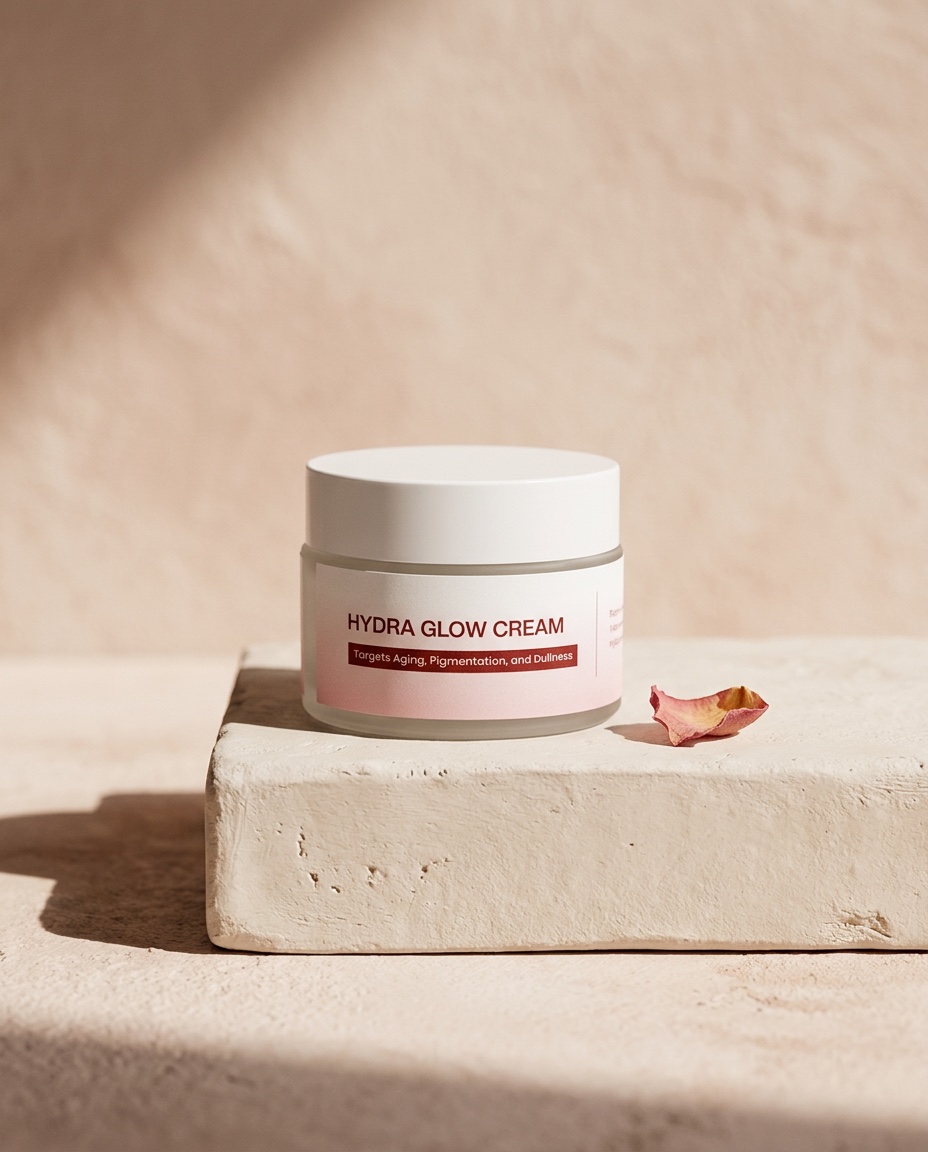
Retinol night cream for fine lines, dullness and pigmentation
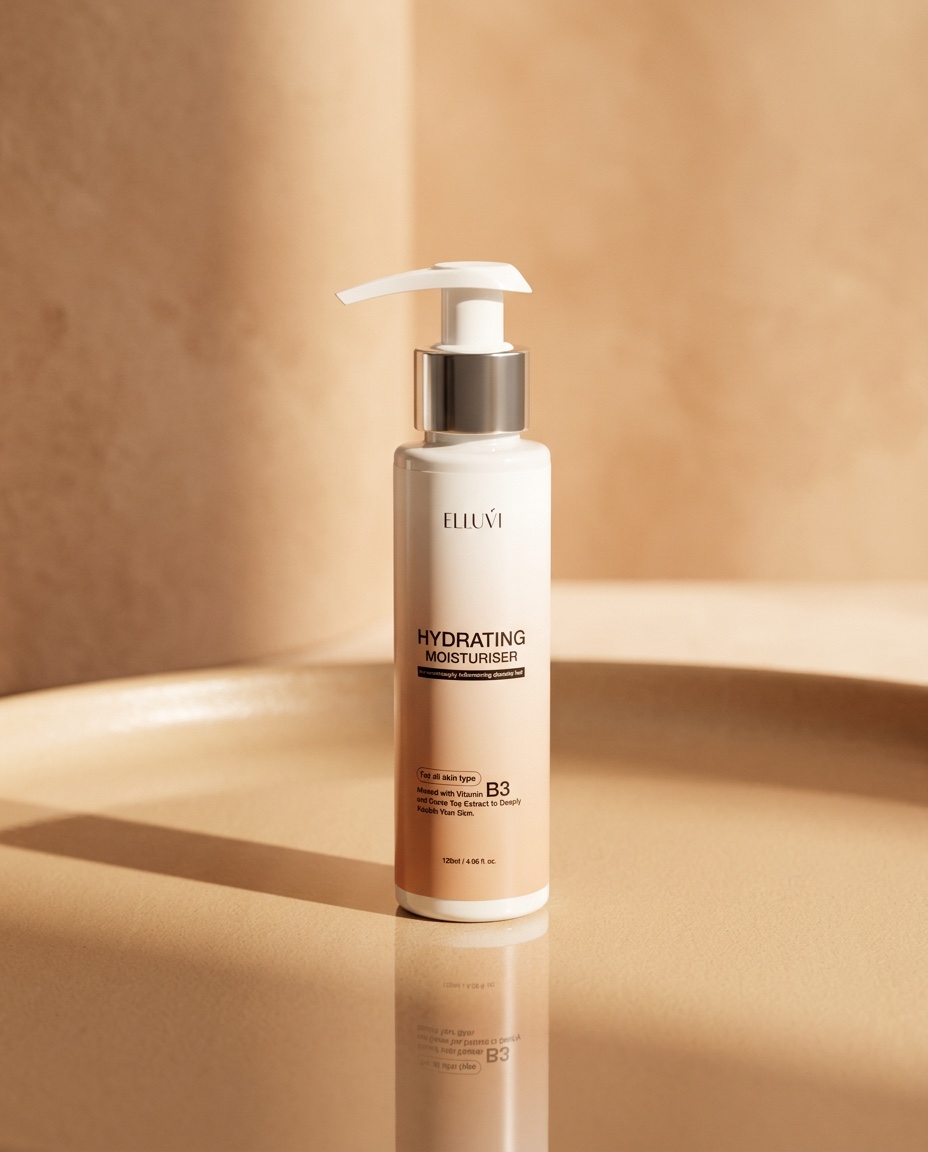
Lightweight, non-greasy moisturiser for oily, combination and dry skin
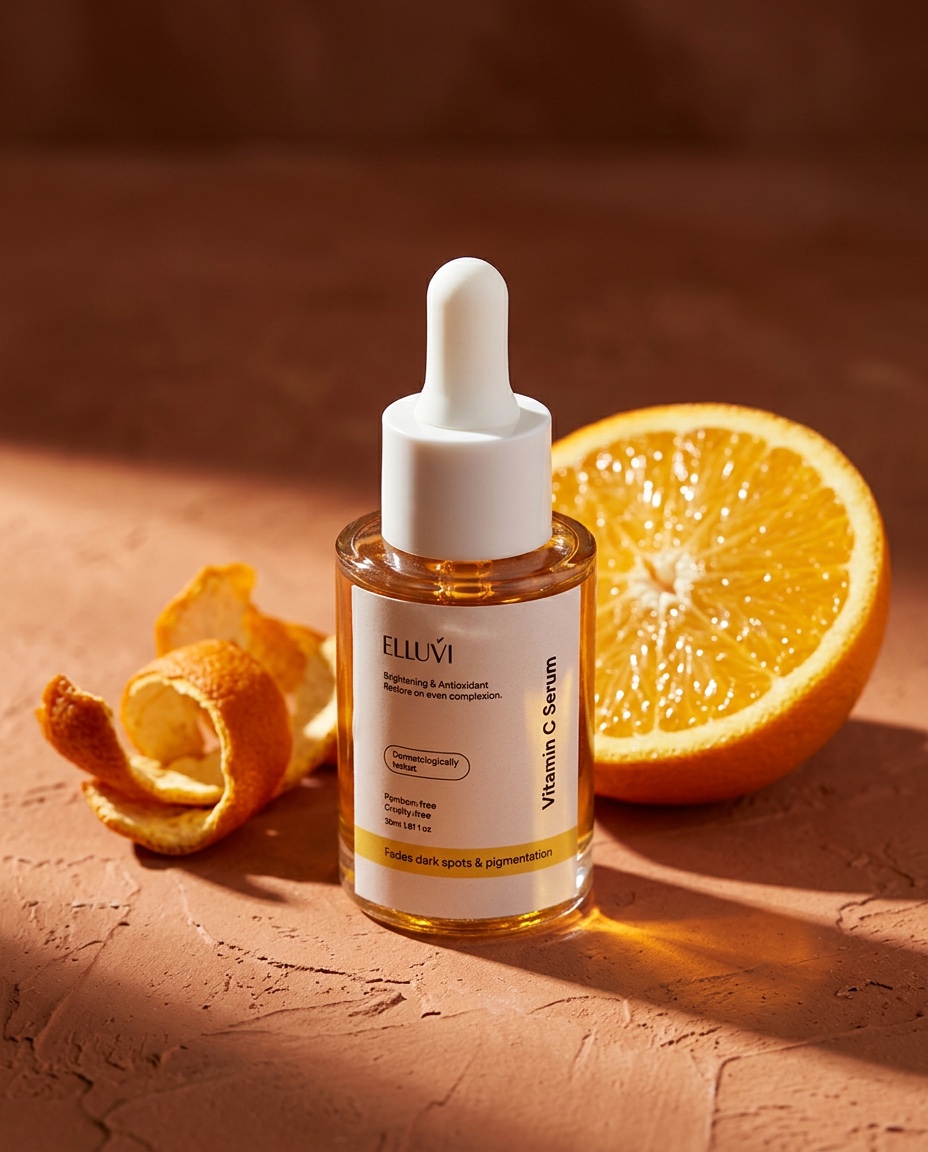
Vitamin C serum for dark spots, uneven tone and dullness