Dark neck in Pakistan: why it happens, and what lightens it
A neck darker than the face is usually the simplest thing in skincare: the neck receives the same sun and almost none of the sunscreen, plus collar friction and heat. Treated with alpha arbutin and niacinamide, and protected daily, it evens out over eight to twelve weeks. One exception matters — a velvety, thickened dark neck that crept in over months can signal insulin resistance and needs a doctor.
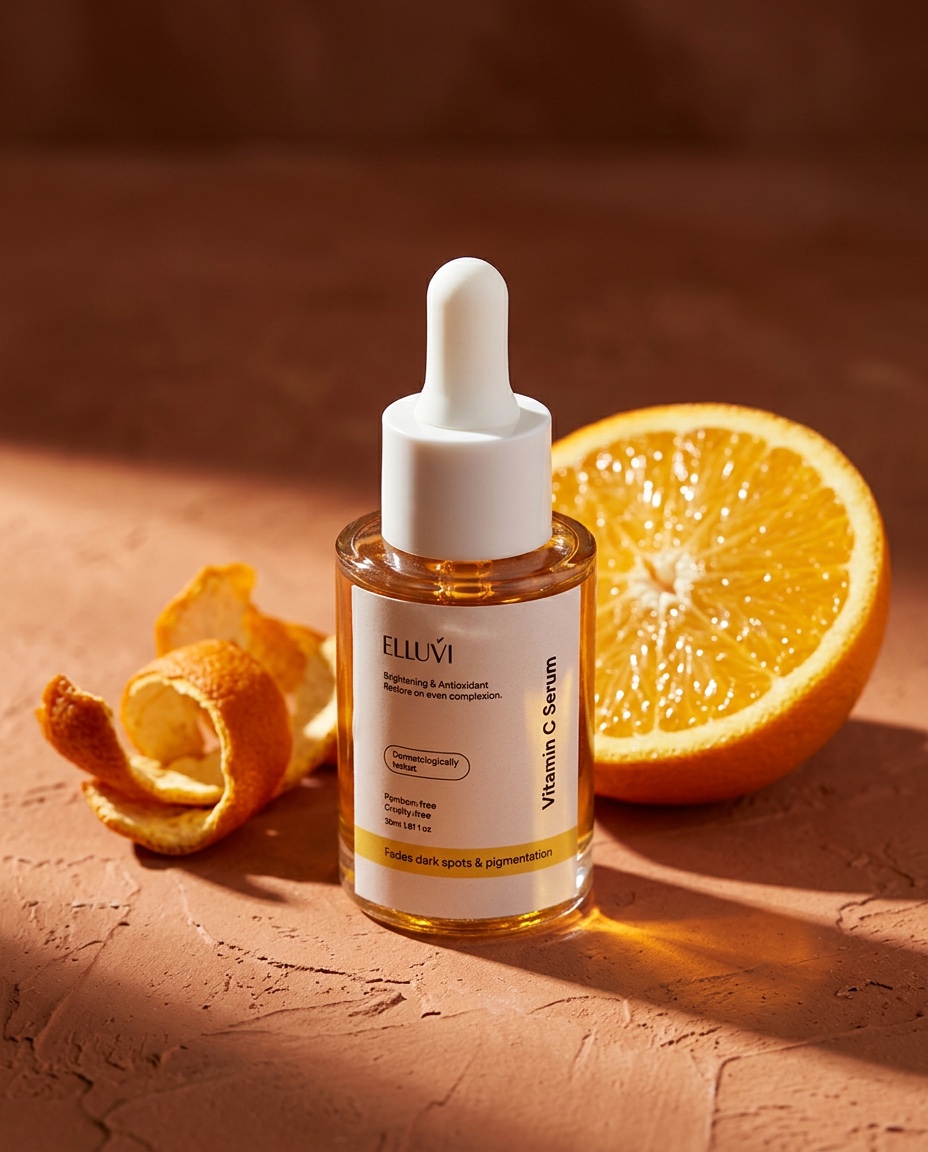
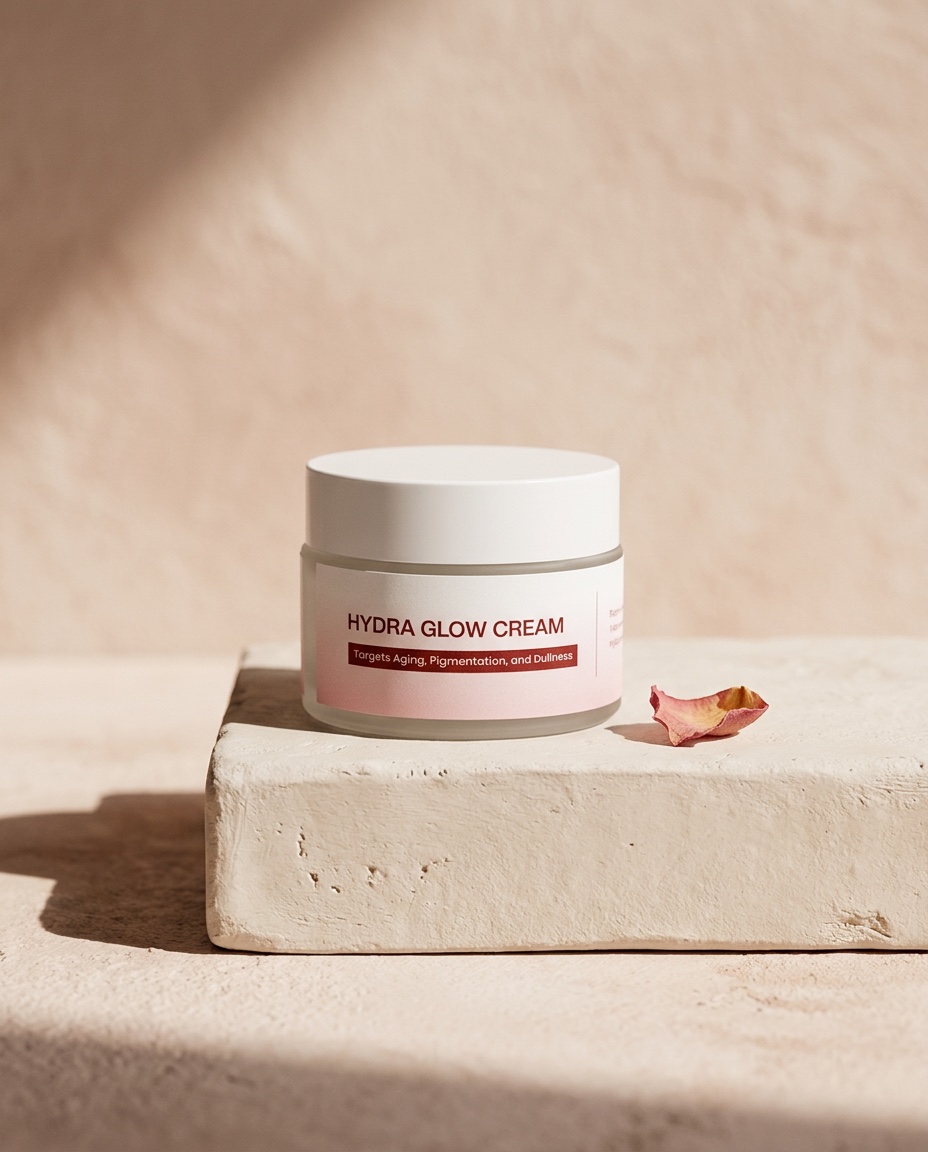
There is no separate neck cream in the range, and there does not need to be. Hydra Glow Cream at night and Vitamin C Serum in the morning are the same protocol used on the face, extended down.
Reviewed
See the matching concern routineThe four causes, in order of how common they are
Sun exposure without protection is first by a wide margin. Then friction and heat from collars, dupattas and hair. Then post-inflammatory pigmentation from anything that irritated the area, including perfume sprayed directly onto the neck. Fourth, and much less often, acanthosis nigricans — a velvety thickening linked to insulin resistance.
The give-away for the first three is that the darkness is smooth and follows exposure or rub lines. The give-away for the fourth is texture: it feels velvety and slightly raised, often with small skin tags, and it appeared gradually without any obvious trigger. If that is what you are looking at, a brightening cream is the wrong purchase — see a doctor and ask about blood sugar.
Sunscreen on the neck is the whole game
Most people apply sunscreen to the face and stop at the jaw. Every day that happens, the neck accumulates pigment the face does not. Extending sunscreen down the neck and across the upper chest does more for an uneven neck than any brightening active, and without it the actives are a treadmill.
We do not sell a sunscreen. Buy a broad-spectrum SPF 50 you will actually reapply, and apply it to the neck every morning, including on days you are mostly indoors but near windows or driving. The right forearm and the right side of the neck are darker in most Pakistani drivers, which tells you exactly how much of this is glass-transmitted UVA.
The protocol, morning and night
Morning: Vitamin C Serum's 10% ascorbic acid on face and neck, then moisturiser, then sunscreen on both. Night: Hydra Glow Cream — alpha arbutin 2%, niacinamide 5%, retinol 0.3% — on the neck three nights a week, building up as tolerated, followed by moisturiser.
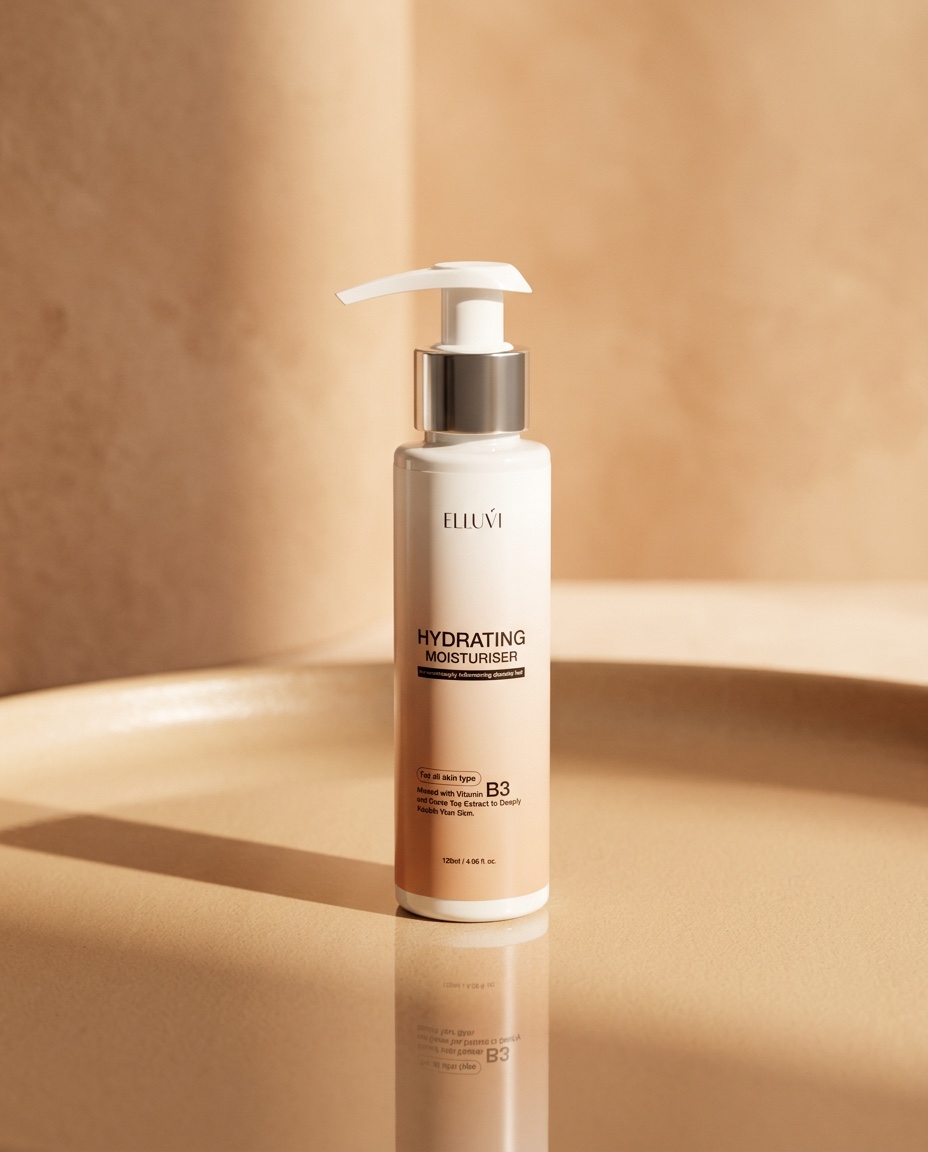
Neck skin is thinner than facial skin and folds constantly, so it tolerates retinol less well. Start at two or three nights a week, apply upwards from the collarbone, and buffer with the Hydrating Moisturiser if it feels tight. Skip retinol entirely in pregnancy and use niacinamide instead.
Timeline
Texture and dryness improve in two to four weeks. Visible evening of tone takes eight to twelve weeks. A neck that has been unprotected for years does not reverse in a month, and the first visible change is usually that the line at the jaw stops being a line.
Photograph it in daylight, head level, from the same distance on day one and at week eight. Necks are the hardest area to judge in a mirror because you are always looking at them from above.