Dark knuckles in Pakistan: dryness first, pigment second
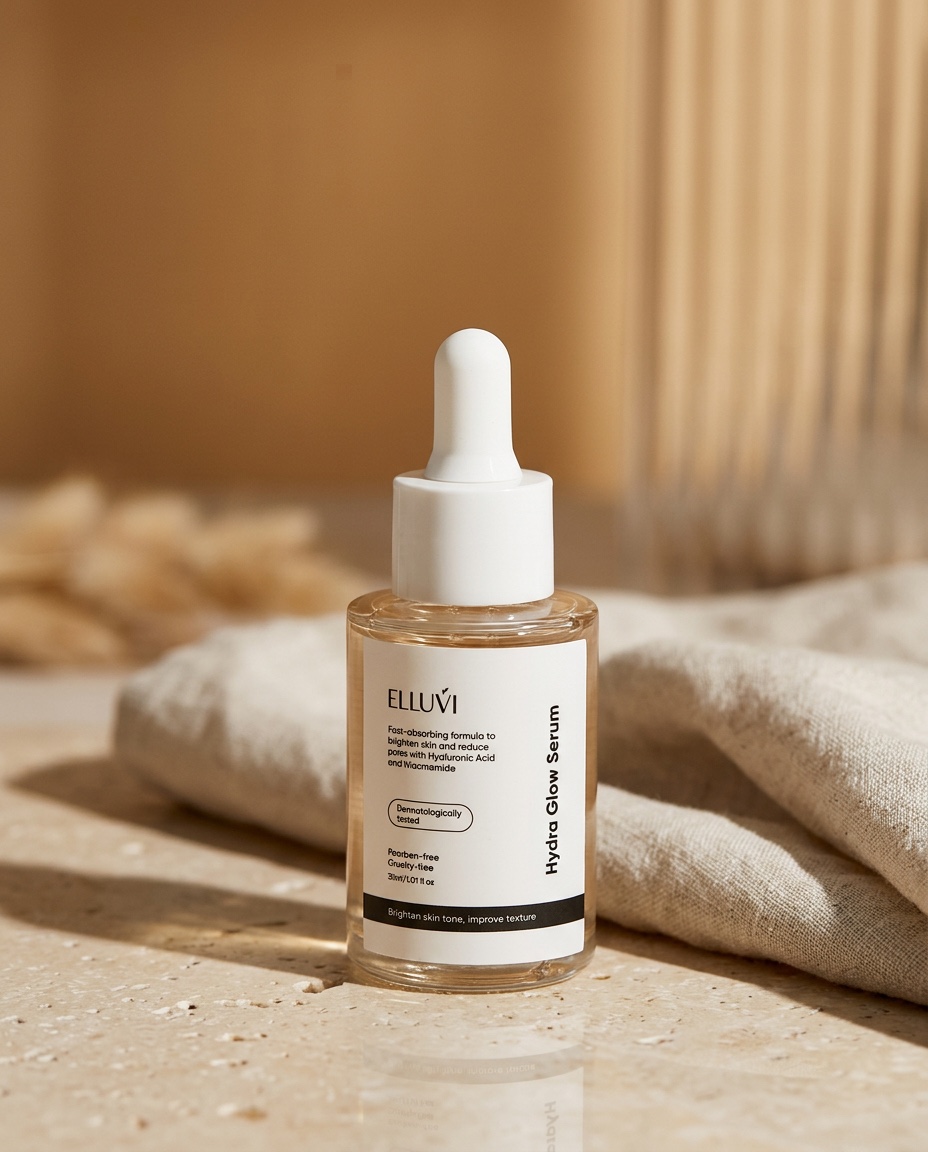
Knuckles, toes and elbows are the thickest, most-flexed skin on the body, and they darken from mechanical stress and chronic dryness. A large share of what looks like pigmentation there is flaking — moisturise twice daily for two weeks and much of it lifts. What remains is genuine pigment, and it answers to alpha arbutin and niacinamide over eight to twelve weeks. Nothing does it in one week, whatever the search results promise.
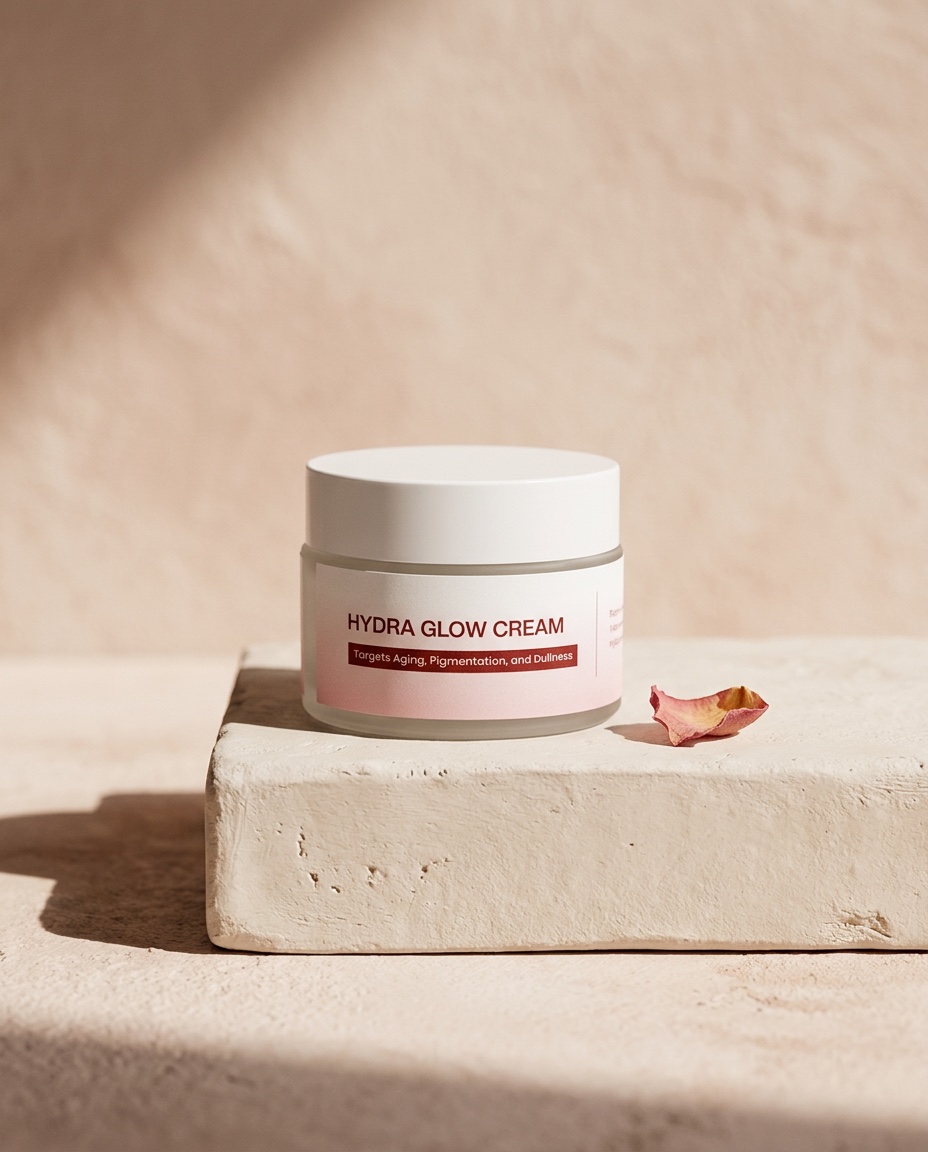
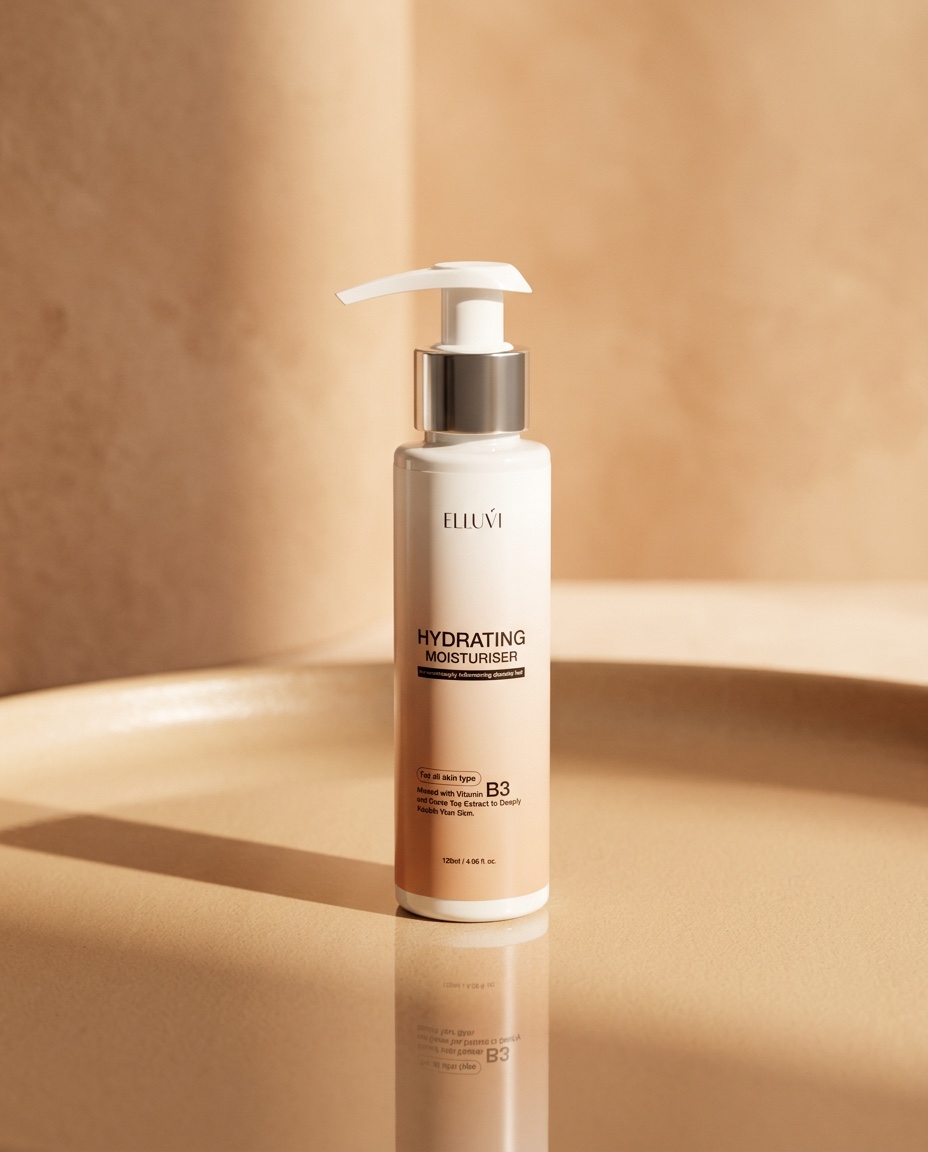
Start with the Hydrating Moisturiser here, not a brightening product — on knuckles it is usually the one that changes the appearance first. Hydra Glow Cream is for the pigment that is left after the dryness is gone.
Reviewed
See the matching concern routineWhy knuckles darken
The skin over a joint is thicker, has fewer oil glands, and is stretched and compressed thousands of times a day. That combination produces both a rough, thickened surface and pigment in response to the friction. Washing hands frequently, detergents, cold weather and sun on the backs of the hands all add to it.
Two contributors are worth naming because they are fixable: harsh dishwashing detergent without gloves, and sunscreen that stops at the wrists. The backs of the hands take as much UV as the face and almost never get protected.
The two-week dryness test, before buying any brightening product
Apply a ceramide moisturiser to the knuckles twice a day for two weeks and nothing else. Photograph them in daylight before you start. If they lighten, you were looking at dry, thickened skin scattering light, not pigment — and you have saved yourself a brightening cream.
This is the single most useful thing on this page. Our Hydrating Moisturiser carries ceramides NP and EOP with cholesterol and shea, which is the right construction for thickened dry skin. Any well-made ceramide moisturiser does the same job.
For the pigment that remains
Alpha arbutin 2% with niacinamide 5% at night, on knuckles that have already been moisturised for a fortnight. Retinol 0.3% helps here more than on most body areas because the skin is thick and tolerates it, but wash your hands before bed rather than after applying, and keep it off any cracked skin.
Expect the slow end of every timeline. Knuckle skin turns over under constant mechanical load, so eight to twelve weeks is normal and three months is not unusual. Sunscreen on the backs of the hands each morning is what keeps the result.
What does not work
Baking soda, lemon, toothpaste and Vaseline-plus-scrubbing are the four most recommended home fixes for dark knuckles and none of them lightens pigment. The first three irritate, and irritation is how the pigment got there. Vaseline alone is occlusive, which helps the dryness but does nothing for the pigment underneath.
Anything that claims to remove dark knuckles in one week is either a scrub producing a temporary glow or an unlabelled cream with a steroid in it. Steroids on the backs of the hands thin the skin, and once they stop the darkness returns worse than it began.