
Centella serum in Pakistan: what cica does and when you need it
Centella asiatica — sold as cica, CICA or madecassoside — is a soothing and barrier-supporting ingredient, not an active that changes tone or clears breakouts. It earns its place in a routine that has been over-exfoliated, over-treated or reacted badly to something. Elluvi does not make a centella serum, and this page says plainly when you need one and when you are better off fixing the routine that damaged your skin in the first place.
Elluvi does not make a centella serum. For barrier support without centella, our moisturiser uses ceramides NP and EOP with aloe; it contains fragrance, so patch test it first. If you specifically want centella, buy from the comparison below.
Reviewed

What centella actually does
Centella asiatica is a plant extract whose active fractions — madecassoside, asiaticoside, asiatic acid and madecassic acid — help calm the look of redness and support the skin barrier while it repairs. It is a comfort and recovery ingredient, not a corrective one.
The distinction matters because cica is marketed alongside acne and pigmentation actives as though it belongs in the same category. It does not. Niacinamide, vitamin C, retinol and the acids change how skin behaves. Centella helps skin tolerate them.
The extract on the label is not always the same thing
"Centella asiatica extract" is a whole-plant extract at an unstated strength. "Madecassoside" or "Centella asiatica leaf extract" at a stated percentage is a specific fraction you can compare. TECA and Centella asiatica triterpenes are the concentrated versions used in the research.
This is the same problem as every botanical ingredient. A product listing centella at the bottom of the INCI, below the preservative, contains a rounding error of it. A product stating a percentage has told you something you can hold it to.
Swipe the table sideways to see every column.
| What the label says | What it means | How much it tells you |
|---|---|---|
| Centella asiatica extract | The whole plant extract, composition unspecified | Little. Extract strength and method are not disclosed anywhere in this market |
| Madecassoside, asiaticoside | Named single compounds, the ones the calming research is built on | More, but only if a percentage follows, which it rarely does |
| Cica | A marketing term, not an ingredient | Nothing |
| Skin1004 Madagascar Centella ampoule | Korean, imported, Rs. 2,949 on the day checked | The imported lines state their centella content more often than local ones do |
When a centella serum is genuinely worth buying
When your barrier is compromised: stinging on application, persistent redness, flaking after starting an acid or a retinoid, or skin that has become reactive to products it used to tolerate. That is the situation cica was made for.
In Pakistan the most common route to that state is over-cleansing in summer plus a leave-on acid plus no sunscreen. If that describes the last few weeks, a soothing serum helps — but so does stopping the thing that caused it, and the second one is free.
When you do not need one
If your skin is comfortable and your complaint is oiliness, pigmentation, texture or fine lines, centella is not the ingredient for that job. Buying it instead of a corrective active is a common and expensive detour.
Cica gets bought as insurance. It is a fair instinct, but a well-formulated moisturiser with ceramides and niacinamide already does most of what people are reaching for, and it does the moisturising as well.
Centella and acne
Centella can reduce the look of redness around a healing blemish and help the skin around it feel less angry. It does not clear acne, kill acne bacteria or unblock a pore.
Where it is useful in an acne routine is as a buffer: it makes salicylic acid, benzoyl peroxide or a retinoid more tolerable, so you stay consistent with the thing that actually works. That is a real benefit, but it is a supporting role.
Layering it with everything else
Centella has no meaningful conflicts. It layers under or over almost anything, and it is one of the few ingredients you can add mid-routine without rethinking the rest.
The usual order is thinnest to thickest: cleanse, treatment serum, cica or hydrating serum, moisturiser, sunscreen in the morning. If you are using it specifically to buffer a retinoid, applying it first and letting it settle before the retinoid reduces the sting.
What Elluvi uses instead
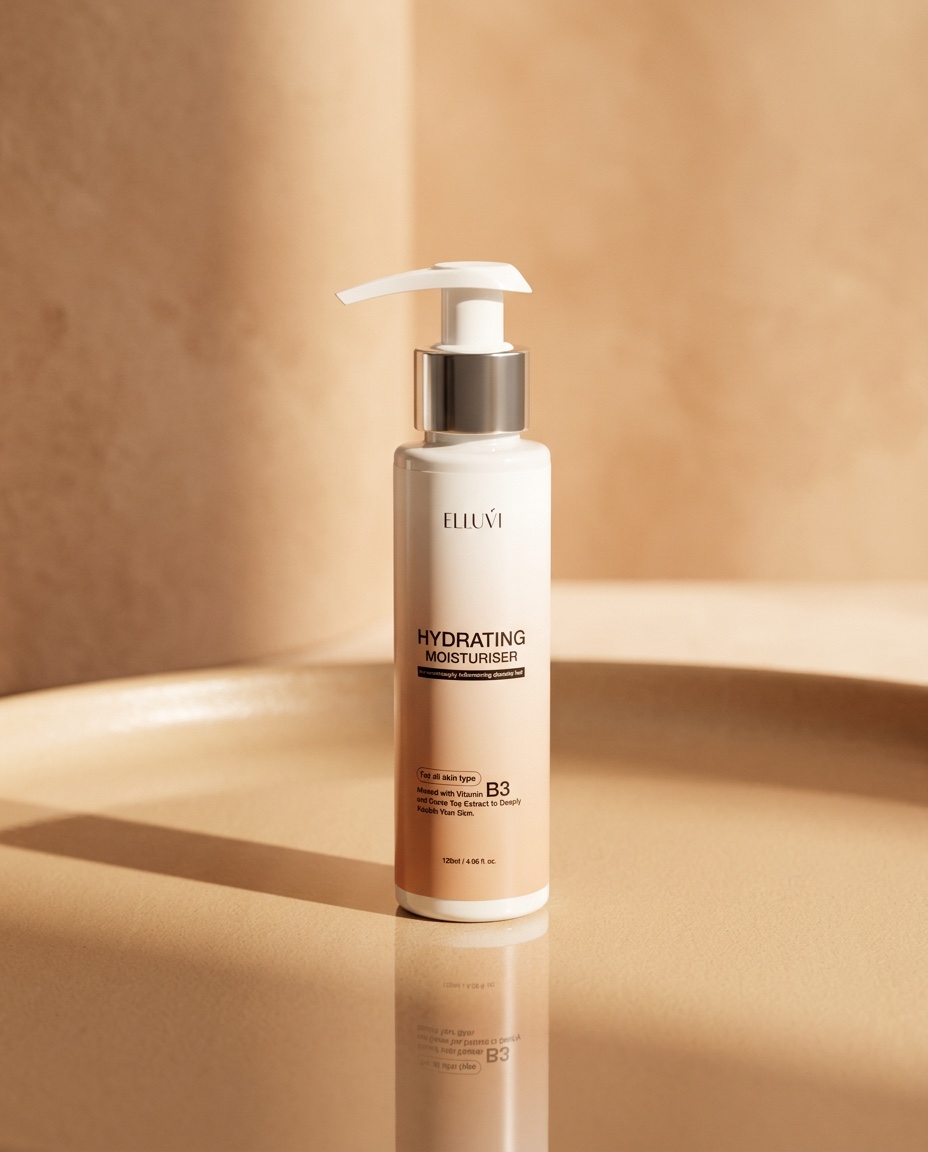
Elluvi does not make a centella serum. The Hydrating Moisturiser at Rs. 1,249 for 120 ml covers the same need with 5% niacinamide, 1% hyaluronic acid, ceramides NP and EOP and aloe vera — barrier lipids plus a soothing agent, in the step where a compromised barrier benefits most.
If you specifically want centella, buy one from a brand that states the fraction and the percentage. We would rather point you to a real one than pretend the aloe in our moisturiser is the same thing. Our moisturiser contains fragrance, so on a reactive barrier patch test it first. What we would not do is put a token amount of an extract into a formula and name the product after it.
How long recovery actually takes
A stinging, reactive barrier usually settles within two to four weeks once you stop what irritated it and keep the routine to cleanse, moisturise and sunscreen. Centella can make those weeks more comfortable; it does not shorten them much.
Apply a small amount to a discreet area of the jawline once daily for 2–3 days. Stop if persistent redness, itching or irritation occurs.
Shop what this guide covers
Lightweight, non-greasy moisturiser for oily, combination and dry skin
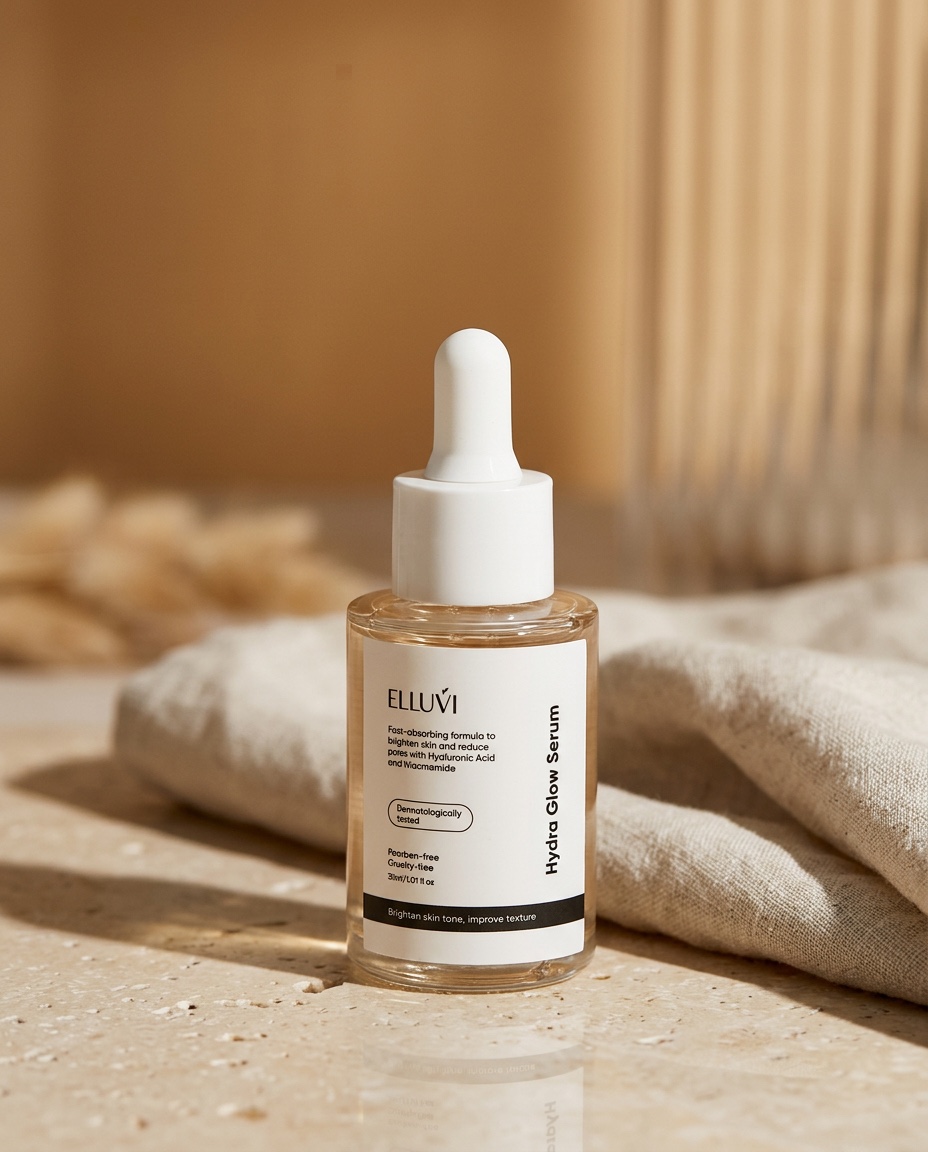
Niacinamide serum for dull, dehydrated, uneven-looking skin
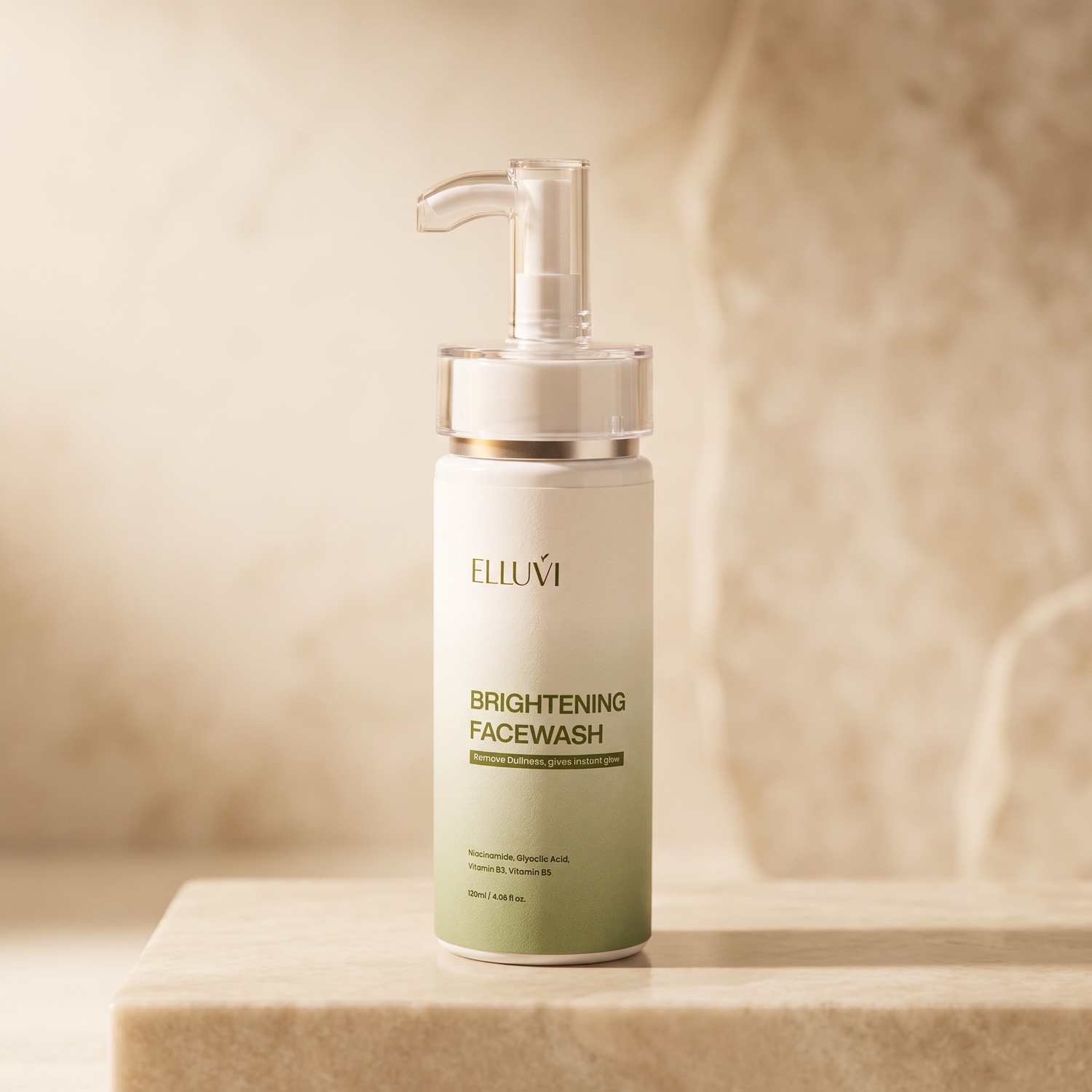
Glycolic acid face wash for dullness, congestion and uneven texture