Anti wrinkle serum in Pakistan: what actually changes a line
Two things in a bottle have evidence behind them for fine lines: a retinoid, which increases turnover and collagen over months, and peptides, which support firmness more gently. Everything else in this category is hydration, which plumps a line temporarily and is worth having, or a film-forming polymer that tightens the surface for a few hours. Knowing which of the three you bought explains why it stopped working.
Reviewed
See the matching concern routineWhat a serum can change, and what it cannot
Fine lines from dehydration and early surface ageing respond to a retinoid and to consistent hydration. Deep folds, volume loss and sagging do not respond to anything topical — those are structural, and the honest answer is a clinic or acceptance.
The distinction is visible: pull the skin gently taut. A line that disappears under slight tension is a surface line, and topicals reach it. A fold that stays is structural. Serums sold on before-and-after photographs of the second kind are photographing lighting, not results.
Anti wrinkle serums in Pakistan, compared on what is stated
Compare on three things: whether the active is named, whether its percentage is printed, and whether the format matches the active. A serum that lists retinol without a percentage is not comparable to one that prints 0.3%, and most of this market prints nothing.
Prices below are Elluvi's own, read from this site on 19 September 2026. Imported serums are sold here through resellers at prices that move week to week and vary by several hundred rupees for the same box, so no single figure for them is quotable and none is invented here.
| Active | Evidence for lines | Where it is in this range |
|---|---|---|
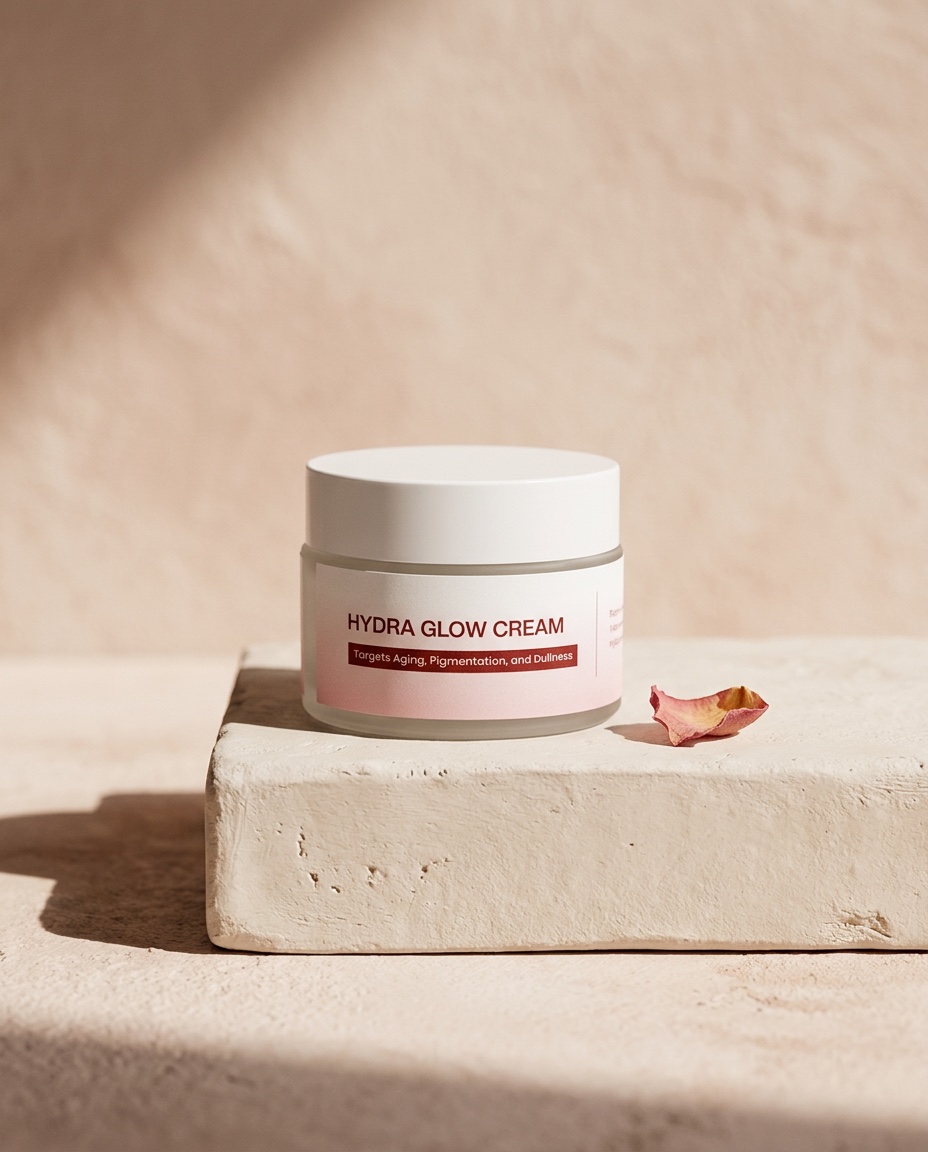
| Retinol 0.3% | Strongest non-prescription evidence. Months, not weeks. Night only | Age Defying Serum Rs. 1,299; Hydra Glow Cream Rs. 1,449 |
| Peptide complex | Supports the appearance of firmness; gentler than a retinoid and usable alongside it | Age Defying Serum |
| Hyaluronic acid | Plumps surface lines while it is on the skin. Real, and temporary | Every leave-on product in the range |
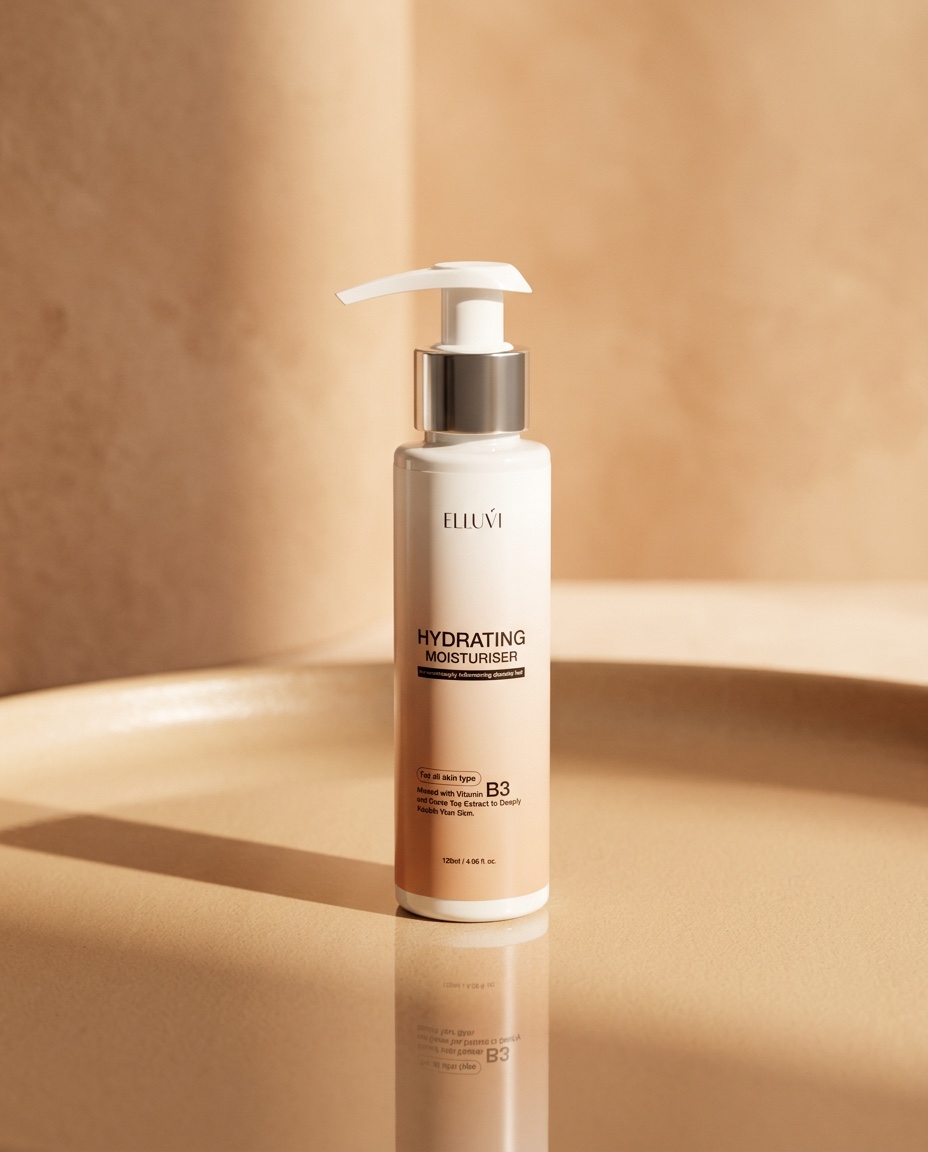
| Niacinamide 5% | Barrier support, which is what makes a retinoid tolerable long enough to work | Hydra Glow Cream, Hydrating Moisturiser |
| Vitamin C | Antioxidant; protects against the photoageing that makes lines faster | Vitamin C Serum Rs. 1,299 |
| Broad-spectrum SPF | The single largest effect on facial ageing. Not sold here | Buy elsewhere |
How long before a line looks different
Two to four weeks for the hydration effect, which flatters fine lines immediately and is not collagen. Twelve weeks before retinol changes texture measurably. Six months before the change is one other people notice.
Most people stop at week five, which is after the irritation and before the result. If that is the pattern you recognise, use the serum twice a week instead of nightly — a lower frequency sustained for six months beats a nightly course abandoned in five weeks.
Using retinol in Pakistan without wrecking the barrier
Twice a week to start, on dry skin, moisturiser before and after, no acids on the same night, and sunscreen every morning without exception. Retinol raises photosensitivity, and sun exposure while using it costs more than the retinol gains.
Two products in this range carry retinol 0.3% — the Age Defying Serum and the Hydra Glow Cream — and they are not meant to be layered. Alternate nights if you own both. Neither is for pregnancy or breastfeeding.
Serum, cream, or both
A serum carries actives in a light base and goes on first; a cream carries them in an occlusive base and goes last. For lines the active matters more than the format, so buy the one whose percentage you can read and whose texture you will use nightly.
If your skin is dry or the weather is cold, a retinol cream is easier to tolerate than a retinol serum at the same percentage, because the base buffers it. If your skin is oily, the serum will feel less like a film and you will keep using it. Adherence is the variable that decides this, not formulation theory.