Acne meaning in Urdu
Acne in Urdu is کیل مہاسے (keel muhase). The two halves are not the same thing: کیل (keel) are the blocked pores — blackheads and whiteheads — and مہاسے (muhase) are the inflamed red spots that follow when a blocked pore becomes infected. A single pimple is a دانہ (dana). Most people have both at once, which is why the words are almost always said together.
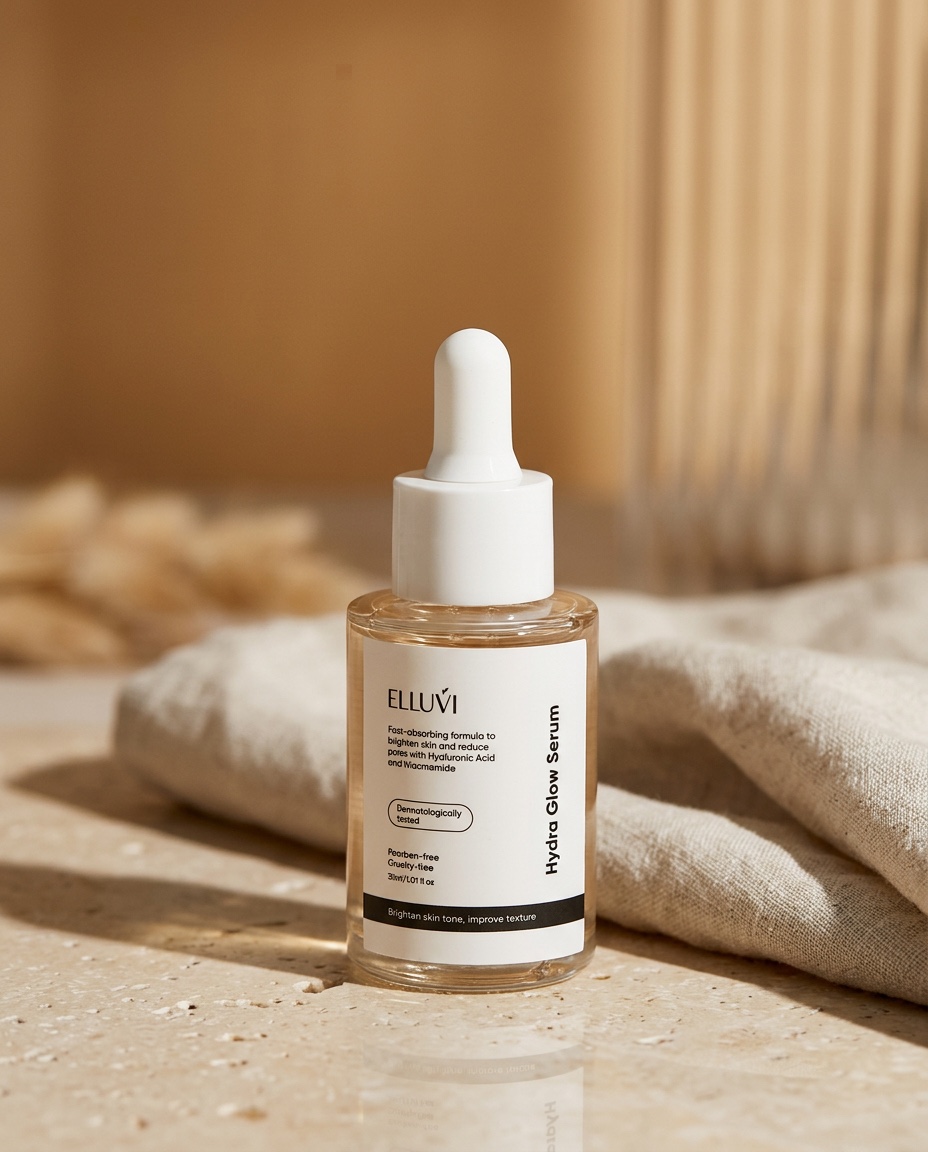
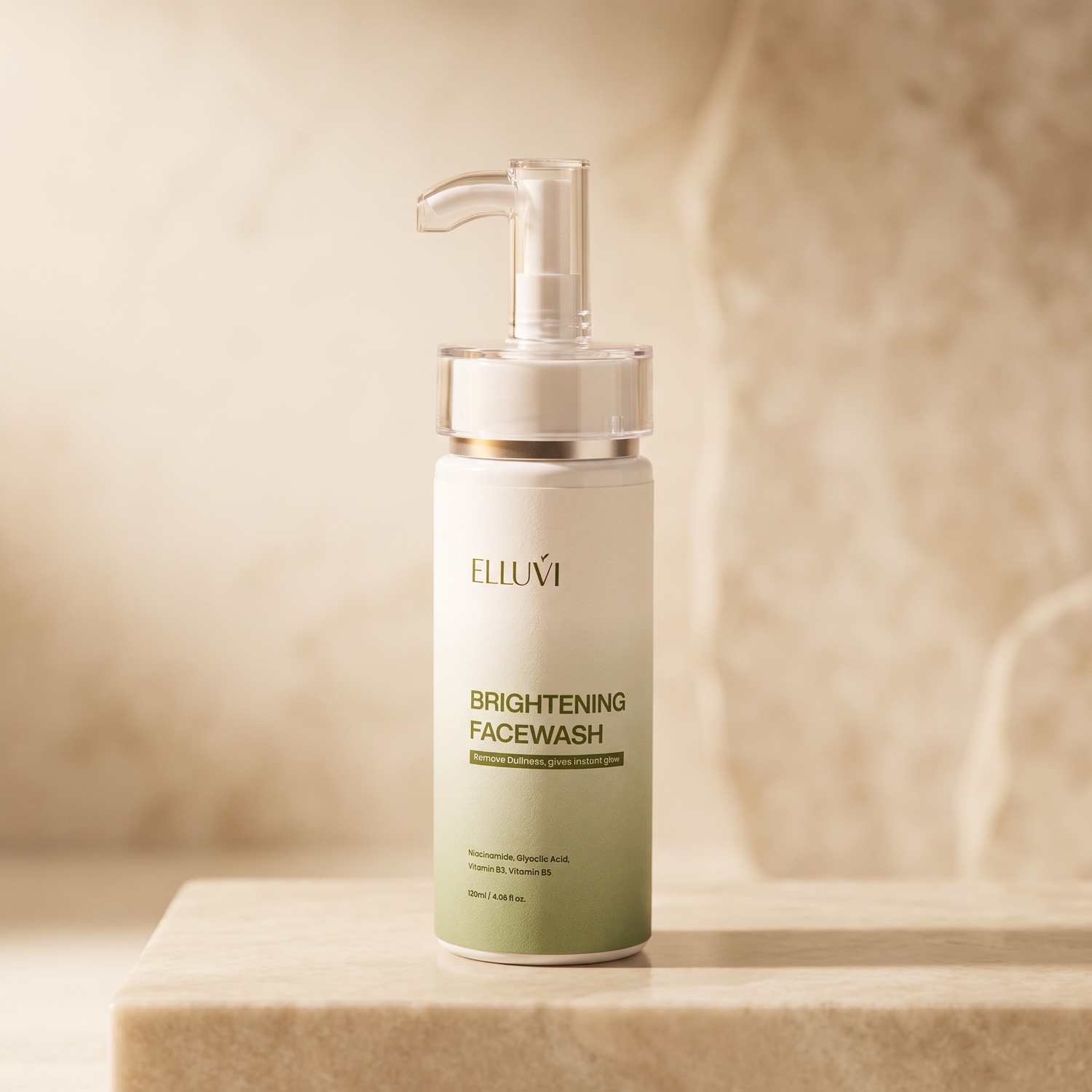
You came to look up a word. If it turns out you are treating acne, be aware of a gap before you buy anything here: Elluvi makes no salicylic acid and no benzoyl peroxide product, and those are the two things moderate acne usually wants first. What we make is a glycolic acid face wash and a niacinamide and zinc serum, which help congestion and oil rather than active infection.
Reviewed
See the matching concern routineThe short answer
Acne = کیل مہاسے (keel muhase). Acne vulgaris = عام کیل مہاسے — "vulgaris" is Latin for common, and it is simply the ordinary kind, not a severe one. Acne-prone skin = مہاسوں والی جلد. Acne scars = مہاسوں کے نشان, and the pitted kind are گڑھے (garhay).
Acne vulgaris is the term that worries people most and needs to least. It appears on prescriptions and dermatology notes as the standard name for common acne — blackheads, whiteheads and inflamed spots. It does not mean your case is unusual or advanced.
Keel and muhase are different problems
Keel are blocked pores with no infection — blackheads open to the air and darken, whiteheads stay closed. Muhase are what happens when bacteria multiply inside a blocked pore and it becomes red, raised and sore. Clearing keel prevents muhase; treating muhase does nothing about the keel still forming.
| Urdu | English | What it is | What helps |
|---|---|---|---|
| کیل (blackheads) | Blackheads | Open blocked pore, darkened by air | Salicylic acid; glycolic acid second |
| کیل (whiteheads) | Whiteheads | Closed blocked pore | Salicylic acid, retinoid |
| مہاسے | Inflamed spots | Blocked pore plus bacteria | Benzoyl peroxide, niacinamide, zinc |
| گلٹی / cystic | Cystic acne | Deep, painful, under the surface | A doctor — not a shelf product |
| داغ | Marks | Flat brown or red patch where a spot was | Fades in 8–12 weeks; arbutin, vitamin C |
| گڑھے | Scars | A dip in the skin surface | No cream; needling or laser |
Marks are not scars, and the difference decides what you should buy
A داغ is flat. Run a fingertip over it and the skin is smooth; the colour is the only problem, and it fades on its own over eight to twelve weeks with sun protection. A گڑھا is a depression you can feel. No cream on earth fills it in, and any product sold on that promise is misrepresenting itself.
This is the single most useful thing on this page, because almost every acne product sold in Pakistan advertises against "scars" while being formulated for marks. If you can feel the texture change, the honest answer is a dermatologist doing microneedling or fractional laser, and no amount of cream is going to substitute for it.
Why acne is worse in Pakistani conditions
Heat and humidity keep oil, sweat and pollution sitting on the skin, and the common response — washing harder, scrubbing, using an alcohol toner, skipping moisturiser — makes it worse. A stripped barrier produces more oil, not less, and inflamed skin leaves darker marks behind.
The other local factor is the unlabelled mix creams sold widely for spots and fairness. Those typically contain a steroid, and steroid-induced acne is a recognised pattern: it clears for a few weeks, then comes back harder with thinned skin and visible vessels underneath. If a cream has no printed ingredient list, no batch number and no manufacturer, it does not belong on acne.
What to use, honestly
For blackheads and whiteheads, salicylic acid is the first choice and we do not make one — buy it elsewhere. For oil, congestion and the marks left behind, niacinamide and zinc have good evidence and are what our serum carries. For inflamed spots, benzoyl peroxide or a prescription; for cystic acne, a doctor.
Whatever you use, introduce one active at a time and wait two to four weeks before adding another, keep any acid to once daily rather than morning and night, and do not skip moisturiser in Karachi humidity. Most of the acne routines that fail in Pakistan fail from doing too much at once, not too little.