Skin whitening cream without side effects in Pakistan
The honest answer is that a cream cannot safely change the complexion you were born with, and the products that appear to are the ones causing harm. What can be changed safely is unevenness: dark patches, post-acne marks, sun damage and dullness. Those genuinely fade with alpha arbutin, niacinamide, vitamin C and azelaic acid over eight to twelve weeks — slowly, which is the property that makes them safe.
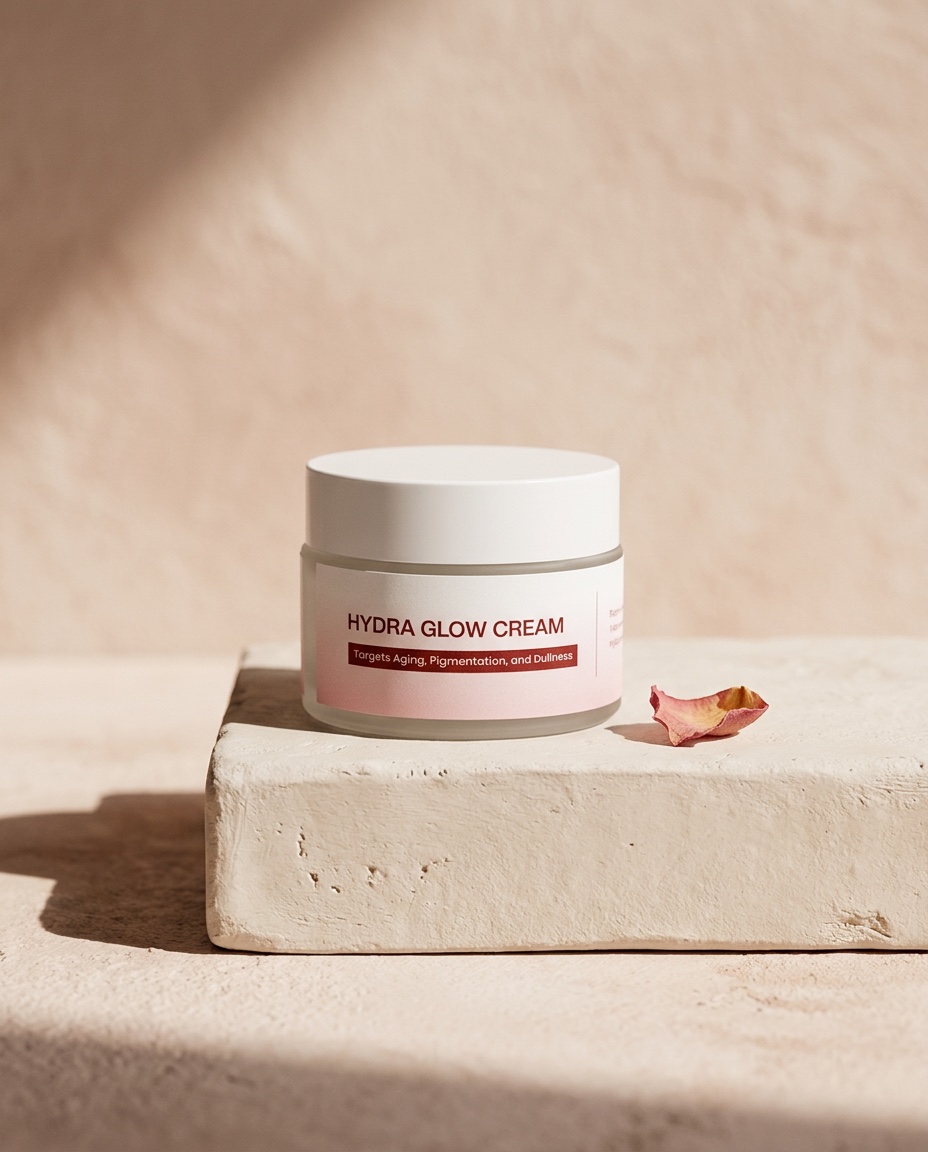
Elluvi does not make a whitening cream and does not claim to change anyone's complexion. Hydra Glow Cream carries alpha arbutin 2% and niacinamide 5% at stated percentages, which evens tone and fades dark patches. If you are looking for a product that makes you several shades lighter, nothing on this site does that, and neither does anything safe.
Reviewed
See the matching concern routineWhat a cream can and cannot change
Your base complexion is set by how much melanin your skin produces constantly, and no cosmetic alters that. What a cream can alter is excess melanin in specific places — patches, marks and sun darkening — which is why an honest product evens tone rather than lightening skin.
| What people want | Achievable? | What actually happens |
|---|---|---|
| Several shades lighter, permanently | No | Only by suppressing melanin with drugs, with consequences |
| Dark patches faded | Yes | 8–12 weeks with arbutin, niacinamide, azelaic acid |
| Post-acne marks cleared | Yes | 8–12 weeks, faster with sun protection |
| Tan reversed | Yes | 2–6 weeks; returns without SPF |
| Even tone overall | Yes | Gradual, and it reads as brighter skin |
| Results in one week | No | Anything this fast is a steroid or a bleach |
The two categories being searched for, and they are not the same
Mainstream branded fairness creams sold in supermarkets and the unlabelled mix creams sold loose in markets and by beauticians are different products with different problems. The first mostly does not work. The second is where the documented harm is.
Branded cosmetics from large manufacturers carry ingredient lists, batch numbers and regulatory registration. Their honest failing is that they deliver far less than the advertising implies — usually a bit of surface brightening and a tint. The unlabelled mixes are the real hazard: repeated testing in Pakistan and across South Asia has found combinations of potent steroids, high-dose hydroquinone and, in some samples, mercury in creams sold with no ingredient list at all.
What the harmful ingredients actually do
Potent steroids thin the skin, spread visible blood vessels, cause steroid-induced acne and rebound darker than the starting point when stopped. Long uninterrupted hydroquinone risks ochronosis, a blue-grey staining that is very hard to reverse. Mercury is a systemic poison that accumulates in the kidneys and nervous system.
The practical rule needs no chemistry: if a cream has no printed ingredient list, no batch number and no named manufacturer, it does not go on your face, whatever the person selling it says about it. A cream that works in a week is not a better cream — it is a different category of product.
| Ingredient | Why it is in there | What it does over months |
|---|---|---|
| Potent topical steroid | Fast visible lightening | Thinned skin, visible vessels, rebound darkening |
| Hydroquinone, unsupervised | Genuinely suppresses melanin | Ochronosis with long uninterrupted use |
| Mercury salts | Blocks melanin formation | Kidney and nervous system damage; illegal |
| Undisclosed retinoid | Speeds turnover | Severe irritation at unknown dose |
What is safe and actually does something
Alpha arbutin, niacinamide, azelaic acid, vitamin C and tranexamic acid all have evidence for fading hyperpigmentation, and all of them work slowly. Broad-spectrum SPF 50 does more than any of them, because unprotected sun undoes the work faster than the actives can do it.
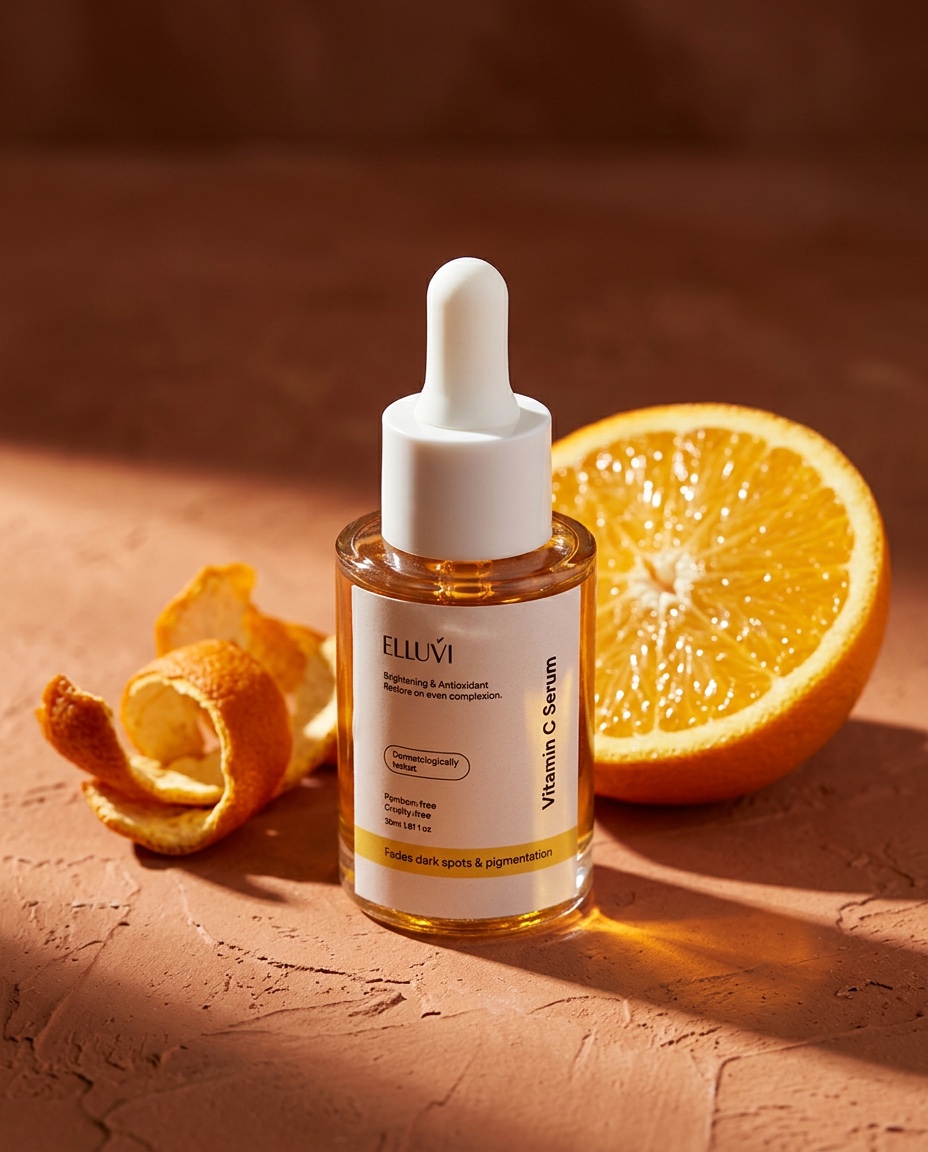
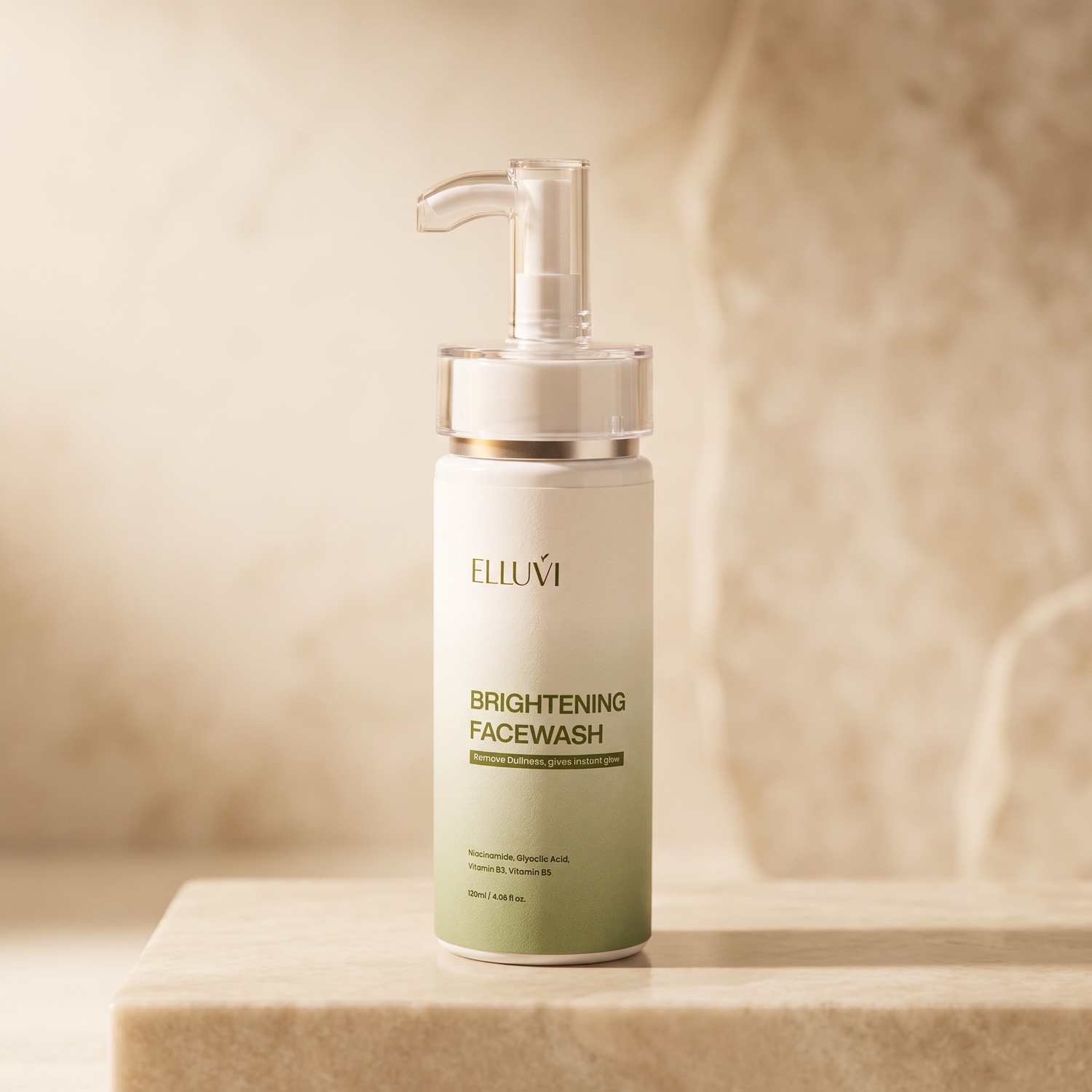
Look for stated percentages. Most of this category in Pakistan does not publish them, and a percentage nobody states cannot be compared with anything — that absence is information in itself. Elluvi states its own: alpha arbutin 2% and niacinamide 5% in Hydra Glow Cream, 10% ascorbic acid in the Vitamin C Serum, 5% glycolic acid in the face wash.
If you have already used a mix cream
Stopping causes a rebound — the skin usually looks worse for two to four weeks before it looks better, and that rebound is the main reason people go back to the cream. Expect it, and treat the barrier first rather than reaching for another active straight away.
A reasonable sequence is four weeks of nothing but a gentle cleanser, a ceramide moisturiser and daily SPF, and only then introducing arbutin or niacinamide. If the skin is thinned, visibly veined or persistently inflamed, that is a dermatologist's appointment and not a shelf problem — steroid-damaged skin sometimes needs supervised tapering rather than an abrupt stop.