
What each one does
Vitamin C neutralises free radicals from UV and pollution, and supports a more even tone. Retinol accelerates cell turnover and supports collagen, improving fine lines, rough texture and pore appearance over three months or more.
One is largely protective and works the day you apply it; the other is corrective and works on a scale of months. That difference decides most of what follows.
Choose by concern
Dullness, uneven tone, post-blemish marks and UV protection support: vitamin C. Fine lines, rough texture, enlarged-looking pores, congestion and long-term ageing: retinol.
If your main complaint is dark marks left behind after spots, vitamin C plus sunscreen is the more direct answer. If it is texture you can feel with your fingertips, retinol is.
Swipe the table sideways to see every column.
| Concern | Vitamin C | Retinol |
|---|---|---|
| Dullness and grey tone | Yes, this is its main job | Helps, but slower |
| Post-blemish brown marks | Yes, and it prevents new ones forming | Yes, by turnover |
| Fine lines and crepey texture | Little effect | Yes, this is its main job |
| Rough texture and enlarged pores | Little effect | Yes, over three months or more |
| Protecting what you already have | Yes, alongside sunscreen every morning | No, it is a repair step |
| Active acne | No | Helps texture and congestion, but is not an acne treatment |
| Pregnancy | Generally considered fine; check with your doctor | Avoid. Azelaic acid is the usual substitute |
Which to buy first
For most people in Pakistan, vitamin C. It is easier to tolerate, works in the morning alongside sunscreen where UV damage is the dominant problem, and does not require the slow build-up retinol does.
The exception is anyone whose main concern is texture or fine lines, where retinol is the higher-value first purchase and vitamin C can wait.
Can you use both
Yes — vitamin C in the morning, retinol at night. That is the standard setup and it avoids stacking two potentially irritating actives in one sitting.
Using both in the same application is not dangerous, but there is nothing to gain from it. Splitting them also means each 30 ml bottle lasts twice as long, which matters at these prices.
Tolerance and side effects
Vitamin C can sting on a compromised barrier and oxidises to a darker colour over months. Retinol commonly causes dryness, flaking and sensitivity in the first weeks, which settles with slow introduction.
Retinol's adjustment period is real and is the reason most people abandon it. Two to three nights a week to start, with moisturiser afterwards, gets far more people through it than starting nightly does.
Neither works without sunscreen
Retinol increases sun sensitivity, and vitamin C's whole purpose is reducing UV-driven damage. In Pakistan's UV levels, skipping sunscreen wastes both.
Sunscreen is not currently sold by Elluvi. Use a broad-spectrum SPF 50 from a trusted brand every morning.
What each costs at Elluvi
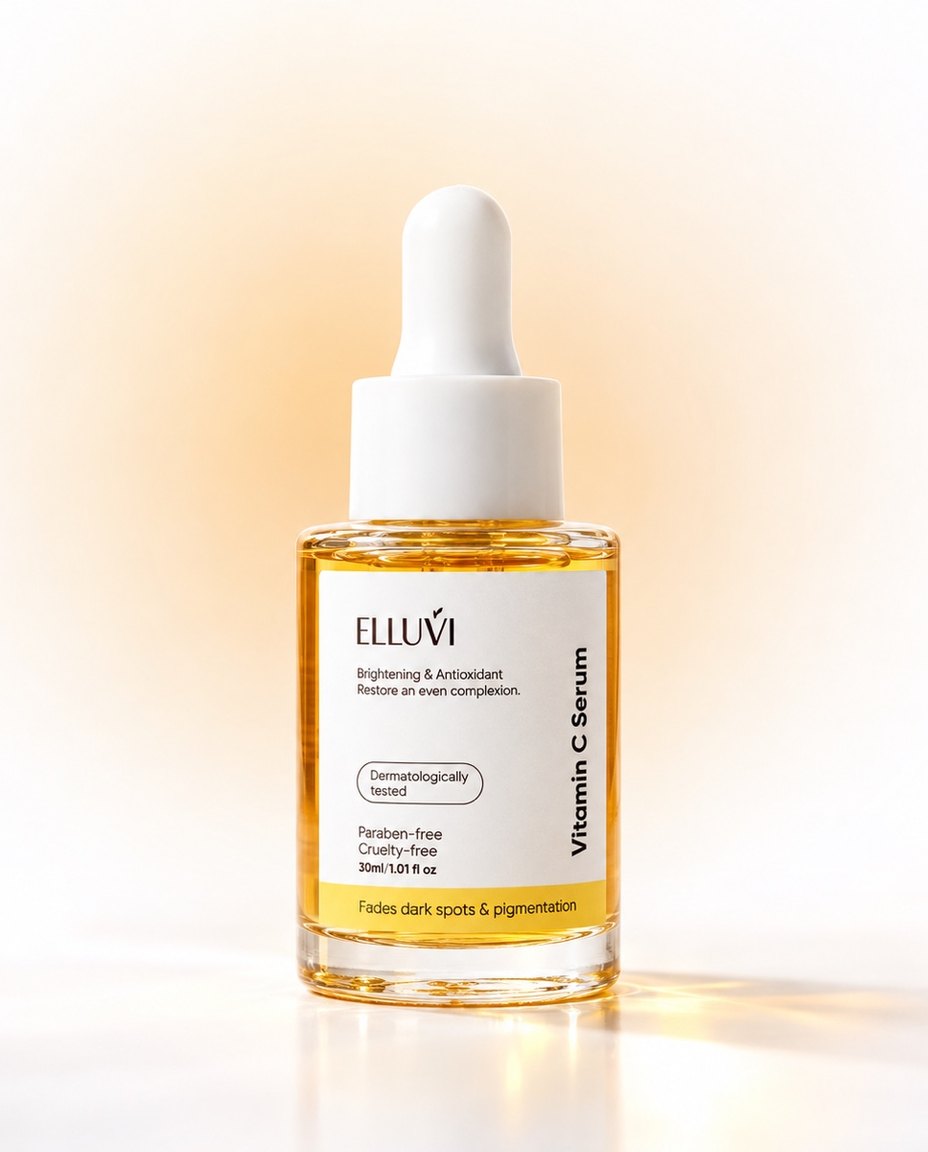
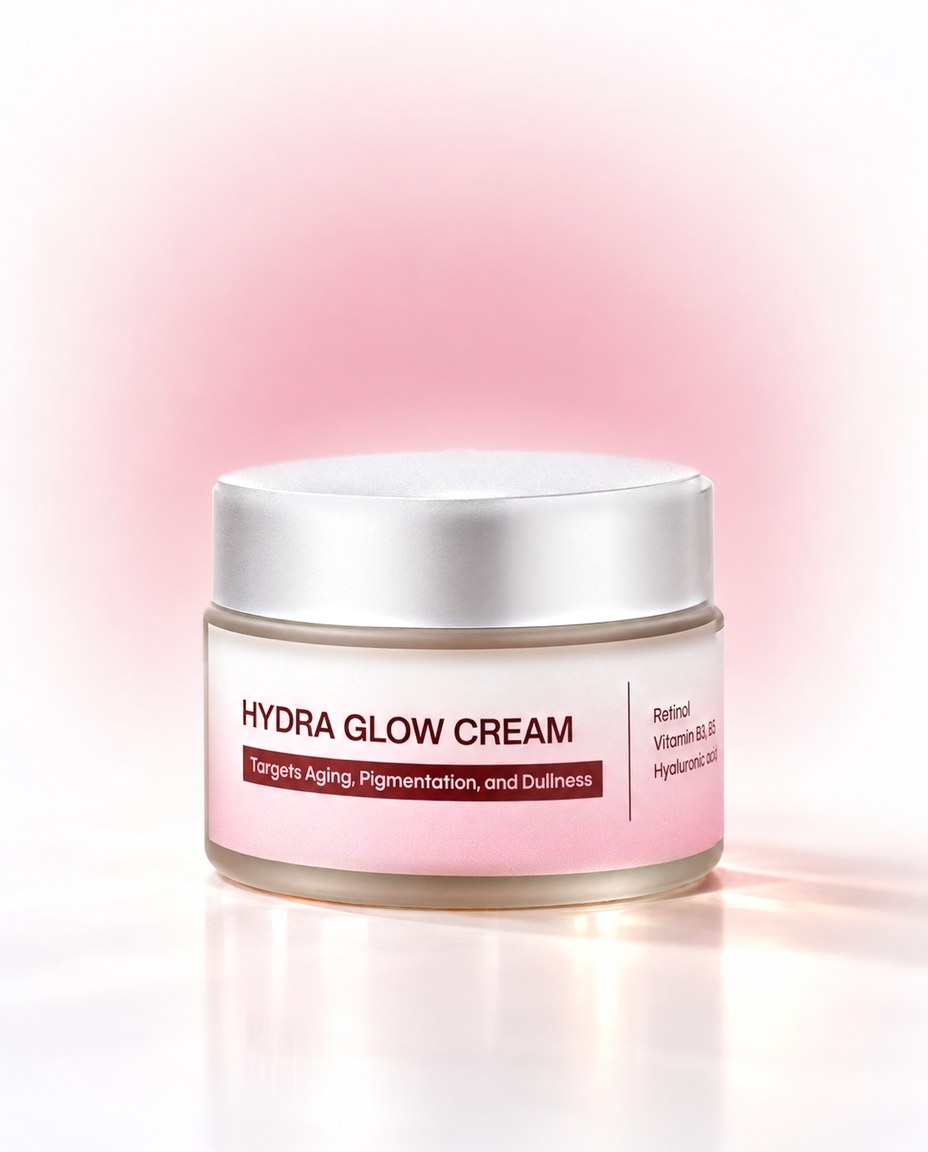
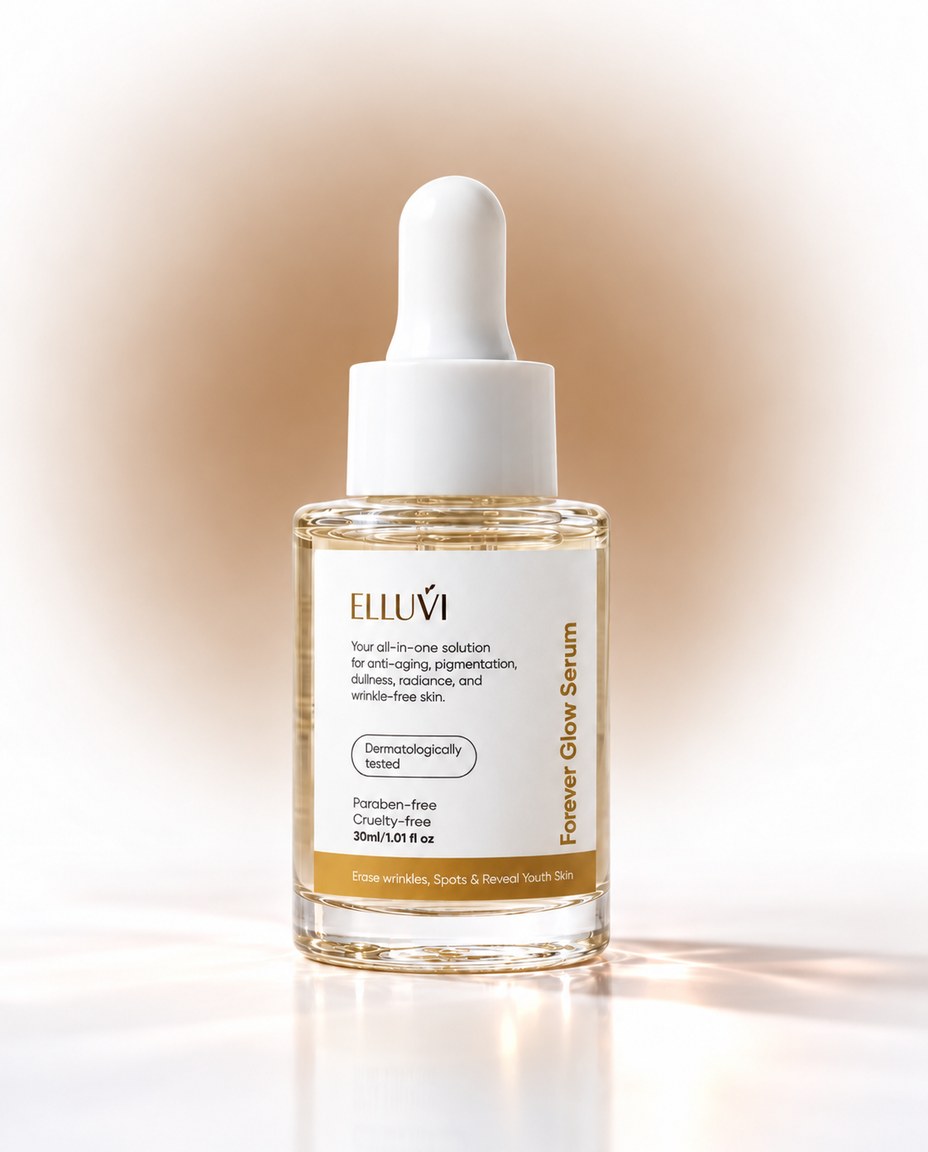
Vitamin C Serum, Rs. 1,299 for 30 ml, 10% 3-O-ethyl ascorbic acid with 0.5% hyaluronic acid. Hydra Glow Cream, Rs. 1,449 for 50 ml, 0.3% retinol with niacinamide and alpha arbutin. Age Defying Serum, Rs. 1,299 for 30 ml, 0.3% retinol with niacinamide 5%, alpha arbutin 2% and a Matrixyl 3000 peptide complex, for experienced retinol users.
The Pigmentation Bundle at Rs. 2,878 pairs the Vitamin C Serum, Hydra Glow Cream and Brightening Face Wash, which is the morning-antioxidant and night-retinol setup in one purchase. Skip the face wash on the nights you use the cream, and never use Hydra Glow Cream and Age Defying Serum on the same night.
How long each takes
Vitamin C: brightness in two to four weeks, recent marks in four to six, older dark spots in eight to twelve. Retinol: texture at four to six weeks, fine lines at twelve weeks or beyond. Neither shows anything meaningful in the first week.
Apply a small amount to a discreet area of the jawline once daily for 2–3 days. Stop if persistent redness, itching or irritation occurs.