
What combination skin actually is
More oil glands in the T-zone than in the cheeks. That distribution is normal human anatomy, so almost everyone is combination to some degree. It becomes a problem when the gap widens enough that one product cannot serve both areas.
The gap widens for a reason, and usually the reason is the cleanser. A stripping wash dehydrates the cheeks, which have fewer glands to compensate, while the T-zone responds by producing more. Softening the cleanser narrows the gap within two weeks.
One moisturiser, two amounts
Use a lightweight moisturiser with niacinamide across the whole face — a thin layer on the T-zone, a generous layer on the cheeks, and a second pass on the cheeks if they still feel tight after five minutes.
This is cheaper and more effective than buying a gel for one zone and a cream for another, and it avoids the practical mess of applying two products to a face twice a day. Multi-moisturising with two products is a real technique, but it is rarely the first thing to try.
Swipe the table sideways to see every column.
| Zone | What it needs | How to apply |
|---|---|---|
| Forehead, nose, chin | Humectants and niacinamide. No occlusives | A thin layer, and no more when it feels tight in the afternoon — that is dehydration, not a need for oil |
| Cheeks and jaw | The same product, more of it. Ceramides help here and do no harm elsewhere | A second pass on damp skin only where it feels tight |
| Both zones | Sunscreen, at the full amount, every morning | One product for the whole face. Nothing about combination skin needs two sunscreens |
| Neither zone | A separate cream for the oily half | Two moisturisers double the cost and the chance of a reaction, and solve a problem an amount already solves |
The ingredient that suits both zones
Niacinamide. At 5% or above it reduces sebum output in the T-zone and supports the barrier on the cheeks. It is the rare active whose two main effects are exactly what the two halves of a combination face need.
Pair it with hyaluronic acid for water and ceramides for the seal, and a single formula covers oily and dry areas without either feeling wrong.
Fix the cleanser before buying anything
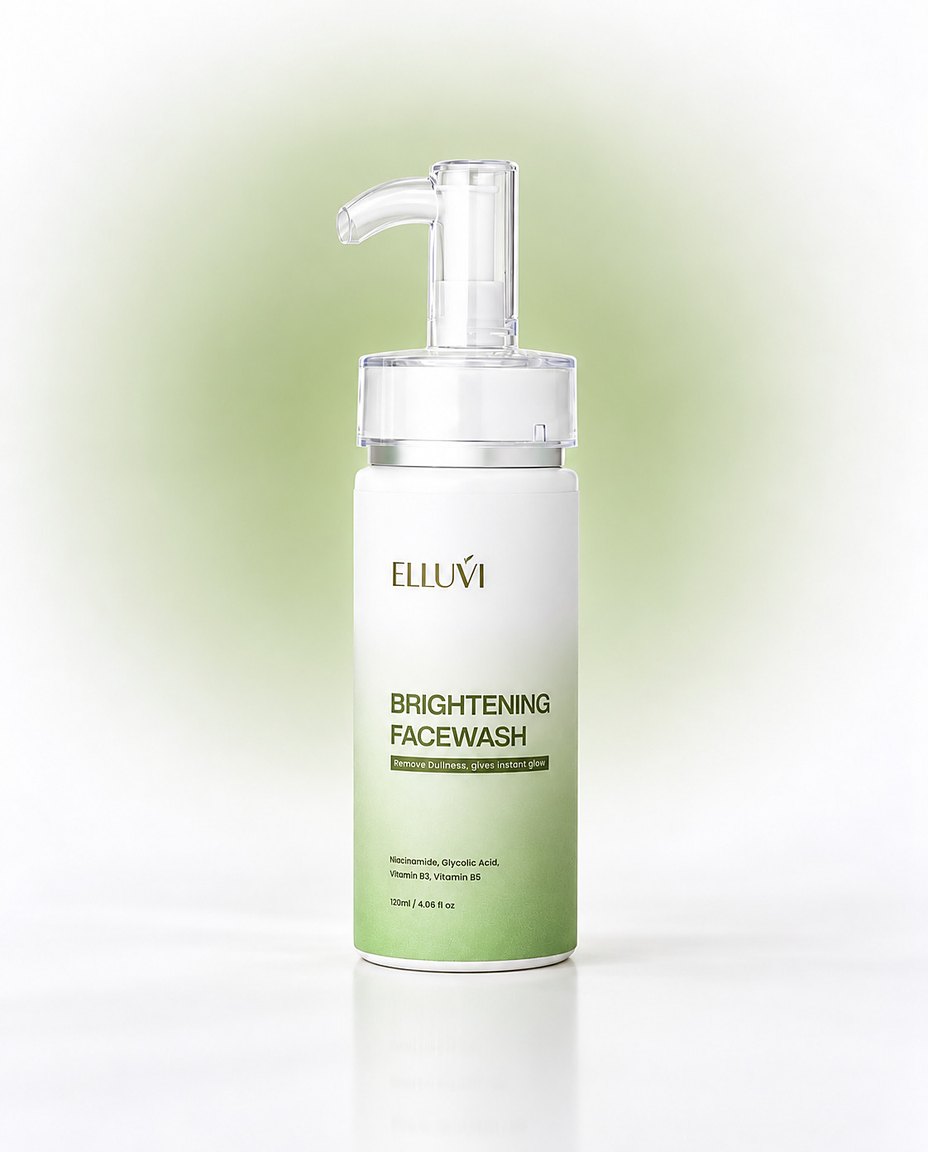
If cheeks feel tight after washing, the wash is the cause of half the problem. Switch to a gentler cleanser, or keep the active cleanser for the evening only and use plain water in the morning.
Give this two weeks before deciding your skin type. A large number of people who describe themselves as combination read as normal once the cleanser stops stripping them.
Do not spot-treat the T-zone with clay every day
Daily clay masks, mattifying powders and astringent toners on the T-zone strip that area too, and it responds by producing more oil. Weekly at most, and never on the cheeks.
The T-zone gets treated as an enemy in most combination-skin advice. Treating it gently, with niacinamide rather than absorbents, produces a more stable face in a month than aggressive oil control does in a week.
Season changes the balance
In a Karachi or Lahore summer, combination skin reads oily. In an Islamabad winter, the same face reads dry. Adjust the weight of the moisturiser and how generously you apply it, not the products themselves.
A practical setup is one lightweight moisturiser used year round, applied twice in the evening during the driest weeks. That handles most seasonal drift without a second purchase.
What Elluvi recommends
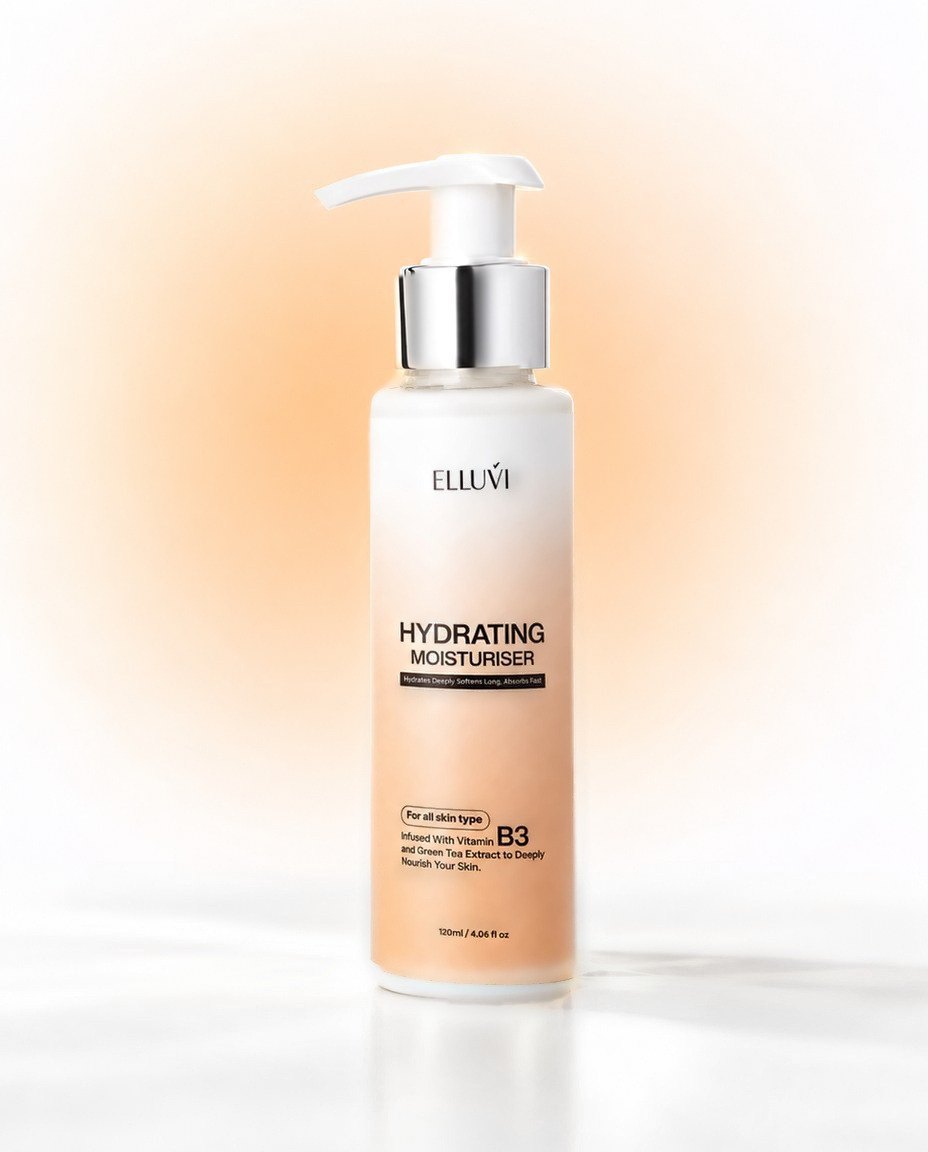
Hydrating Moisturiser at Rs. 1,249 for 120 ml — 5% niacinamide, 1% hyaluronic acid, 1% alpha arbutin, ceramides NP and EOP and aloe vera. Light enough for a T-zone, with the lipids the cheeks need.
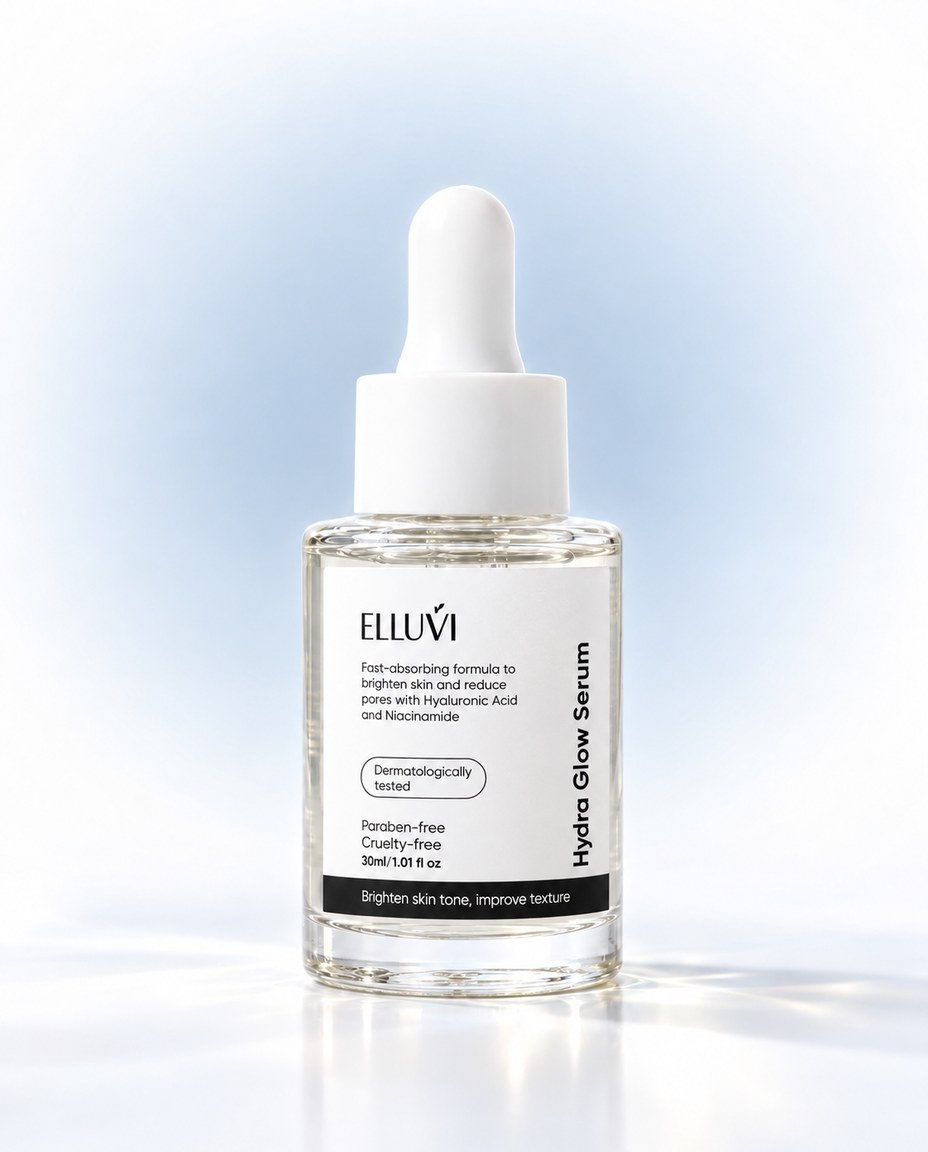
If the T-zone needs more help, Hydra Glow Serum at Rs. 1,149 for 30 ml adds 10% niacinamide and 1% zinc PCA and can be applied to the T-zone only, with the moisturiser over the whole face.
How to test whether it is working
Two weeks. Cheeks should stop feeling tight; the T-zone should shine later in the day rather than by mid-morning. If the cheeks are still tight, apply more product rather than a different one.
Apply a small amount to a discreet area of the jawline once daily for 2–3 days. Stop if persistent redness, itching or irritation occurs.