
What a toner is, historically and now
Toners existed to rebalance skin pH after harsh alkaline soaps. Modern cleansers are pH-balanced, so that original job is gone. What remains is a light hydrating or active-carrying step that is optional in every routine.
The word survived because it sells. Understanding that it describes a texture rather than a benefit is the fastest way to judge whether any particular bottle is worth Rs. 1,500.
The four types worth telling apart
Hydrating toners with glycerin or hyaluronic acid. Exfoliating toners with glycolic, lactic or salicylic acid. Astringent toners with alcohol or witch hazel. And scented water with a plant name on the front.
Only the first two do anything a routine would miss. The third is actively counterproductive for most people. The fourth is harmless and expensive.
Swipe the table sideways to see every column.
| Product | Type, and what it states | Price |
|---|---|---|
| Nirvana Botanics Glow Facial Toner | Hydrating. Niacinamide and hyaluronic acid named, neither quantified. No size stated | Rs. 1,239 |
| Nirvana Botanics Pink Glow Toner | Soothing. Cucumber, aloe, radish root. No actives quantified, no size stated | Rs. 1,400 |
| Nirvana Botanics AHA BHA Treatment | Exfoliating, leave-on. Neither acid quantified, no size stated | Rs. 1,560 |
| Oneskin Skin Renewal Toner | Exfoliating. 150 ml, which makes it the only one here you can cost per ml, at Rs. 10.7 | Rs. 1,600 |
Why astringent toners backfire on oily skin
Alcohol removes surface oil immediately and strips barrier lipids with it. Skin compensates by producing more sebum, so the shine returns worse a few hours later. The immediate matte finish is the reason people keep buying them.
This is the same loop as an over-strong face wash, and it is the single most common reason a Pakistani oily-skin routine plateaus. The ingredient that reduces oil production is niacinamide at 5% or more, and it belongs in a leave-on step.
Whatever is in a toner usually works better in a serum
A serum delivers the same active at a higher concentration in a smaller volume, at a lower cost per use, and stays on the skin instead of largely evaporating. If a toner's value is its active, a serum is the better vehicle.
The exception is an exfoliating toner used deliberately on alternate nights, where the thin application is part of the point. Even then, an acid cleanser or a leave-on acid at a known percentage is easier to control.
The honest case for keeping one
Two reasons. It leaves skin damp so the next layer absorbs better, and it makes the routine pleasant enough that you keep doing it. Neither is a skin benefit, and both are real.
If that is the reason you like it, buy an inexpensive hydrating one and put the money into the serum, moisturiser and sunscreen. Compliance genuinely matters in skincare, and a step you enjoy is not wasted.
How to read a toner label in this market
Look for alcohol denat. in the first five ingredients — that is an astringent regardless of what the front says. Look for a stated acid percentage if it claims exfoliation. Treat "pore tightening", "pore minimising" and "brightening water" as unregulated claims.
Pores do not open and close, so nothing tightens them. What changes their appearance is reducing the oil and debris inside them, which niacinamide and a well-tolerated acid do over weeks.
Why Elluvi does not sell one
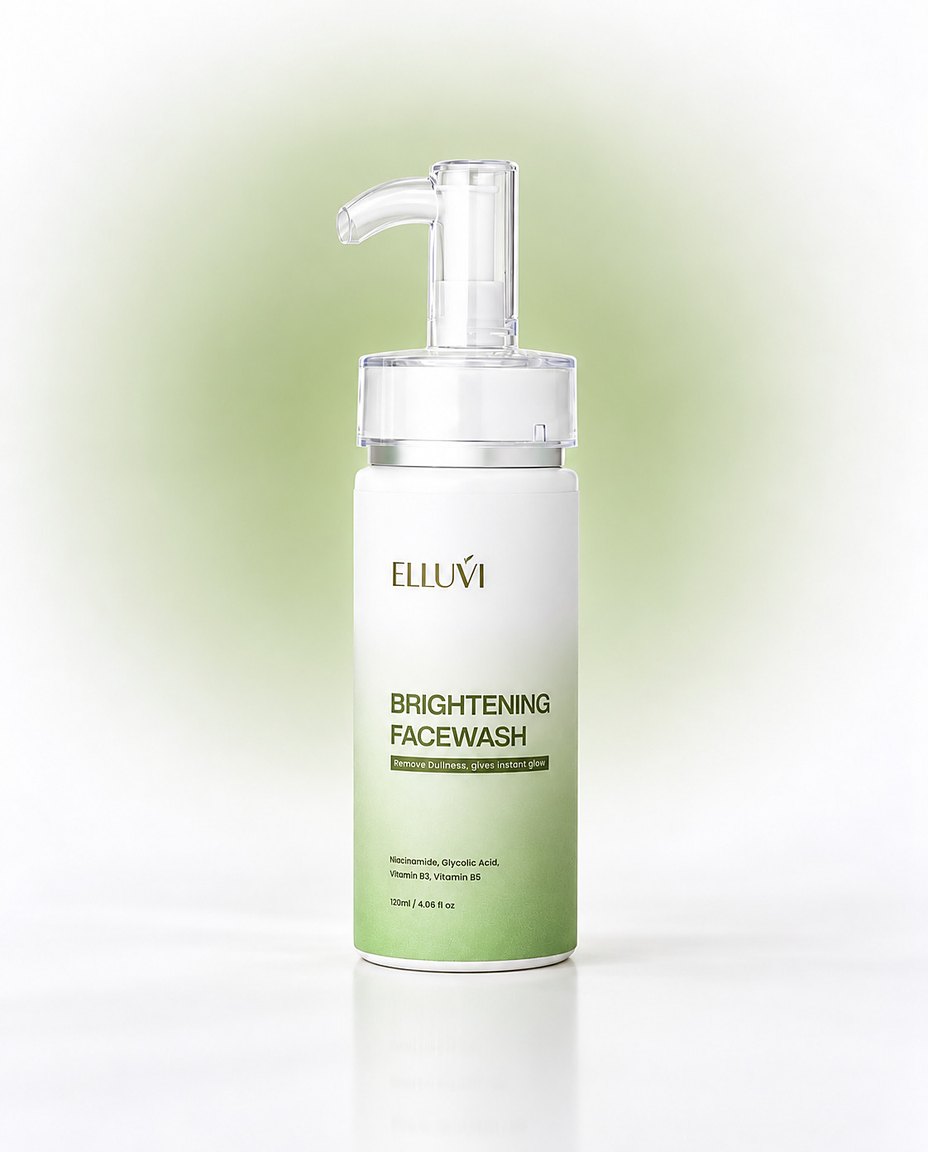
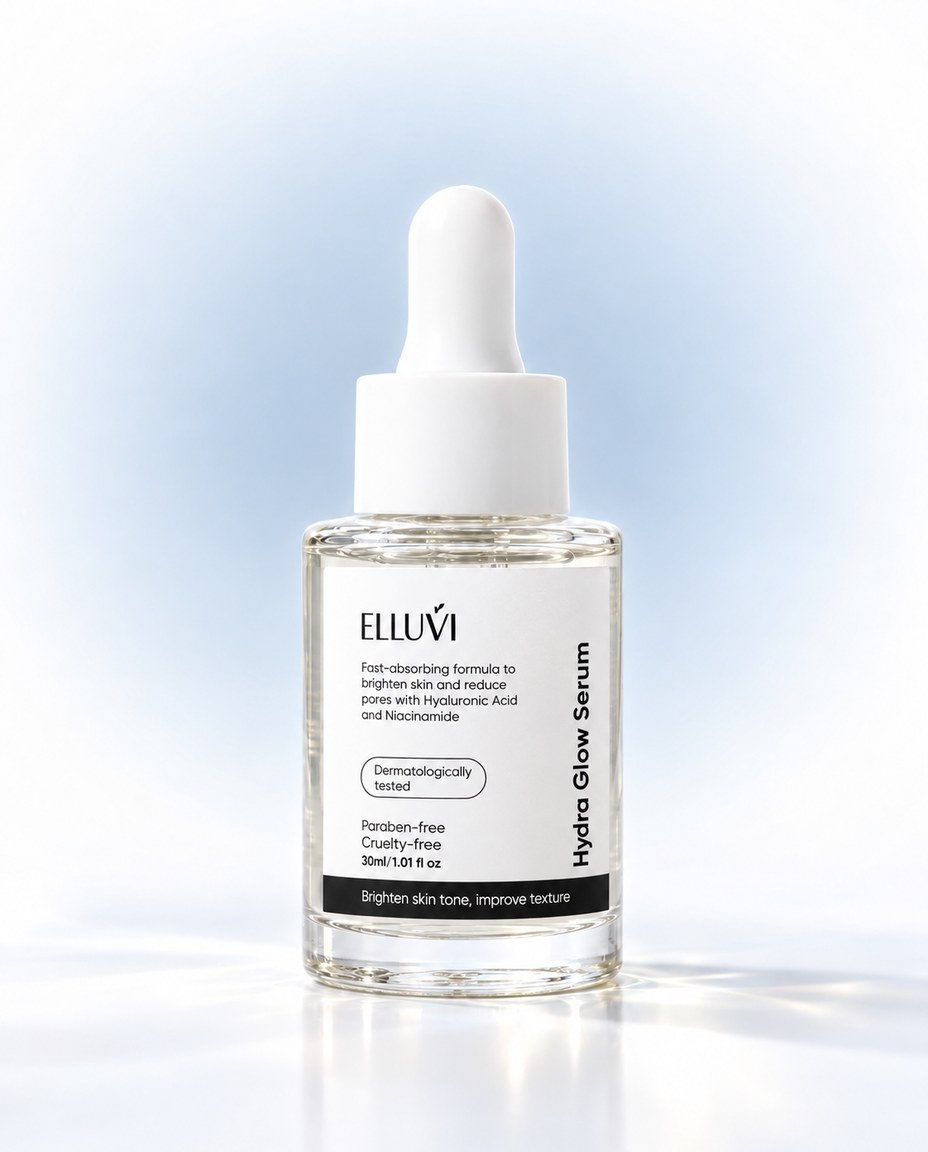
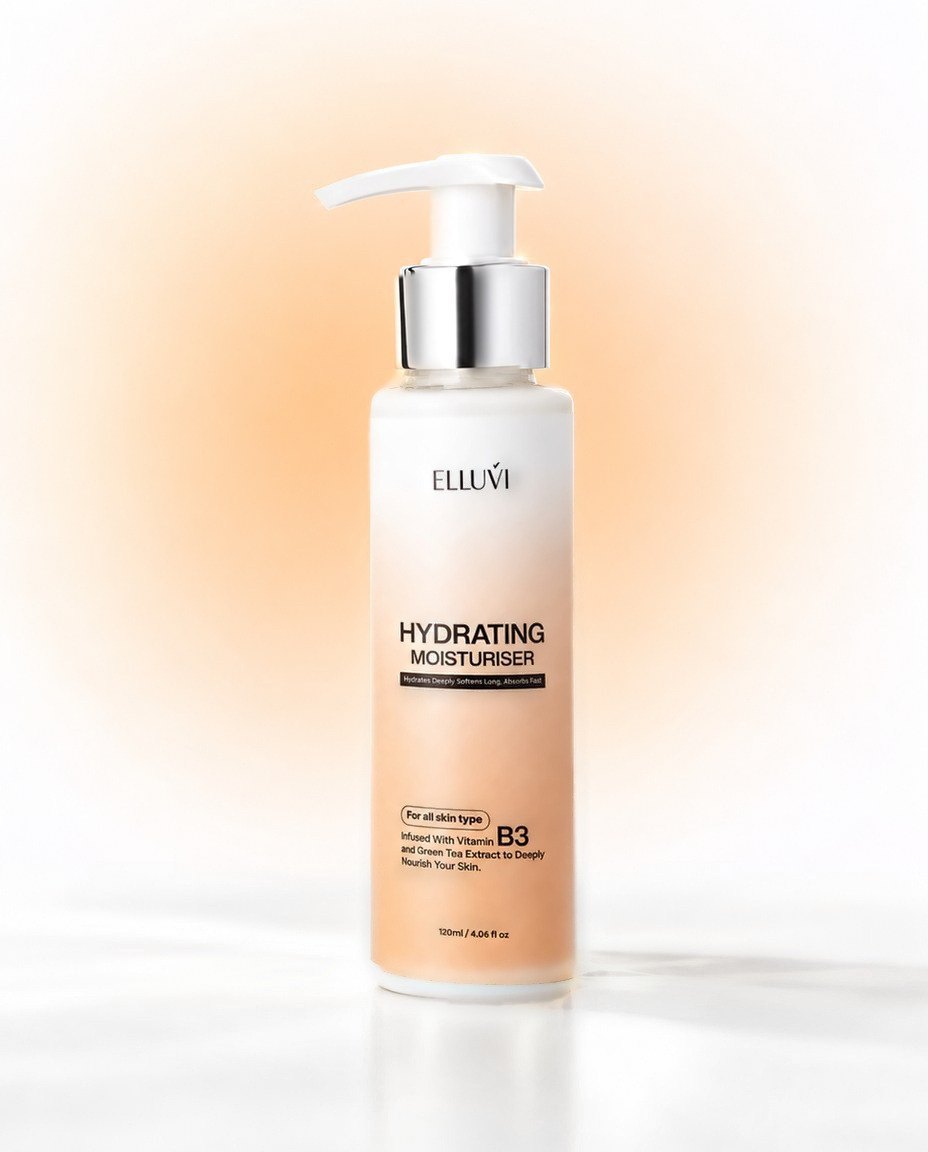
Everything a toner would add is already in the routine. 3% glycolic acid sits in the Brightening Face Wash at Rs. 849, 10% niacinamide and 1% zinc PCA sit in Hydra Glow Serum at Rs. 1,149, and hydration sits in the Hydrating Moisturiser at Rs. 1,249.
Adding a toner would mean selling a fourth product that duplicates the third. If you want one anyway, a plain hydrating toner from any brand slots in after cleansing and before the serum without conflicting with anything above.
Where it goes in the routine
Straight after cleansing, before serum, on damp skin, patted rather than wiped with cotton. Wiping with cotton wool wastes most of the product and drags at the skin.
Apply a small amount to a discreet area of the jawline once daily for 2–3 days. Stop if persistent redness, itching or irritation occurs.