
Go heavier on format, keep the actives
Move from a gel or light lotion to a richer cream, and keep your actives exactly as they are. Winter changes how much occlusion skin needs, not which ingredients work.
You can also simply apply the same moisturiser twice in the evening — once straight after cleansing and again before bed. That costs nothing and often removes the need for a heavier product entirely.
The hyaluronic acid trap in dry air
Humectants pull water from wherever it is available. In genuinely dry air with nothing applied over them, they pull it from deeper in your skin, which leaves the surface tighter than before.
The fix is not to stop using them but to apply them to damp skin and seal within a minute with a moisturiser containing lipids. This is the most common winter mistake in northern Pakistan, and it is why the same serum that felt excellent in Karachi feels drying in Islamabad.
Hot showers do more damage than the weather
Hot water strips barrier lipids faster than any cleanser. A long hot shower in January is usually the single largest cause of winter facial dryness and body itching.
Wash your face at the basin with lukewarm water rather than under the shower, keep showers shorter, and apply body moisturiser within three minutes of getting out while skin is still damp.
Drop the cleanser strength before you buy a moisturiser
If skin feels tight after washing, the cleanser is the problem. Switching to a gentler wash, or dropping the morning wash to a water rinse, does more for winter dryness than upgrading the cream.
On a glycolic or other acid cleanser, moving to alternate evenings through the coldest weeks is reasonable. The exfoliation is not the enemy in winter — the combination of exfoliation and a stripped barrier is.
Sunscreen does not become optional in winter
UVA passes through cloud and glass and is largely constant year round. It drives pigmentation and photoageing, so the sunscreen step stays exactly as it is in June.
Winter is also when many people restart retinol because the weather feels forgiving, which makes sunscreen more important rather than less. Sunscreen is not currently sold by Elluvi. Use a broad-spectrum SPF 50 from a trusted brand every morning.
Winter is the right season to start retinol
Lower UV exposure, less sweating and fewer heat-driven flare-ups make November to February the easiest window to introduce a retinol night cream, at two to three nights a week.
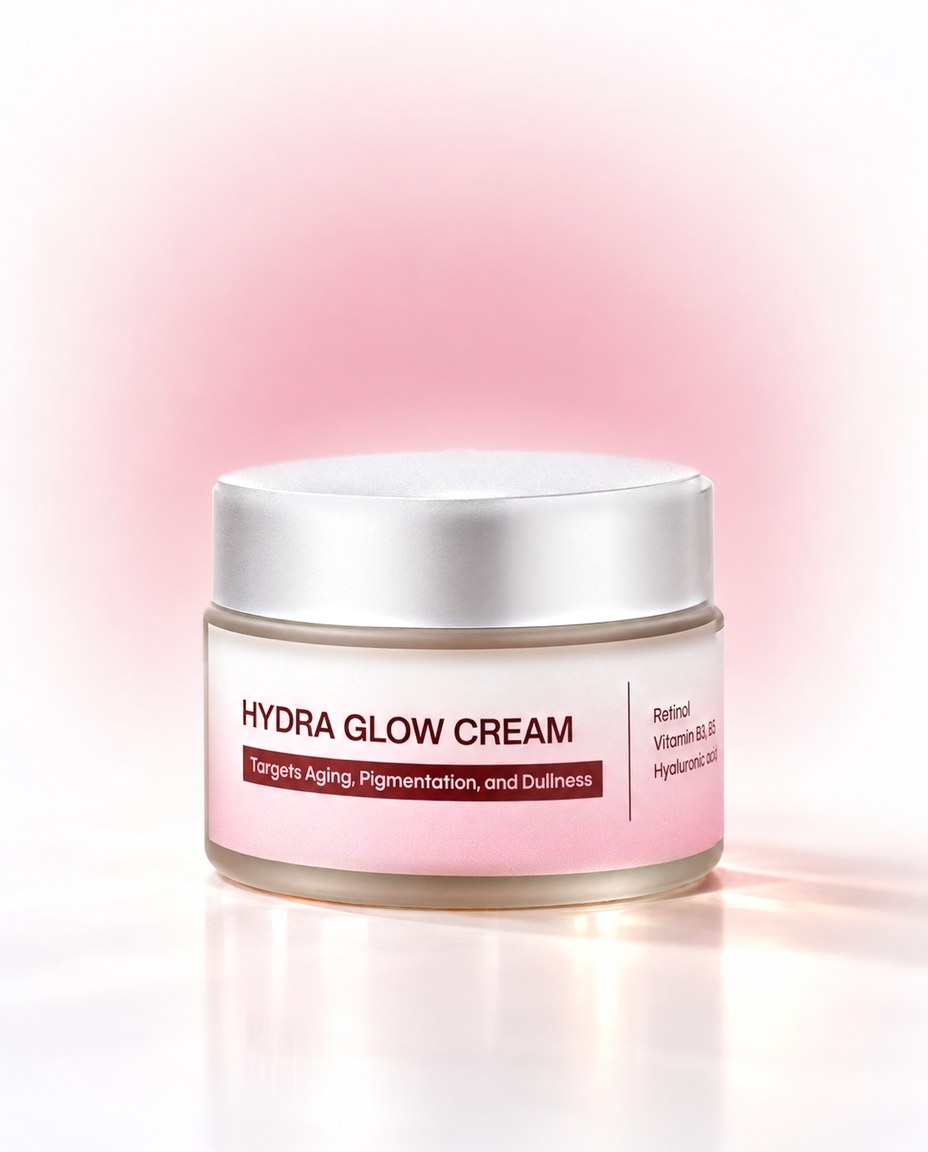
Elluvi Hydra Glow Cream is Rs. 1,449 for 50 ml with 0.3% retinol, 5% niacinamide, 2% alpha arbutin, 1% coenzyme Q10, hyaluronic acid and kojic acid. On retinol nights, rinse with water rather than using an acid wash. On the nights you do not use it, seal with the ceramide moisturiser instead — a treatment used every night is not more effective, only more irritating.
Chapped lips, hands and the rest of it
Plain petrolatum on lips and a thick unscented cream on hands, applied after every wash, handles most of it. Neither needs to be expensive and neither belongs in a facial routine.
If lips are cracking and peeling repeatedly, check that the balm has no menthol, camphor or salicylic acid in it — those are the ingredients that keep the cycle going.
The winter routine, in order
Morning: water rinse or gentle cleanse, hydrating serum on damp skin, richer moisturiser, sunscreen. Night: gentle cleanse, retinol on treatment nights, moisturiser — twice if the air is very dry.
Apply a small amount to a discreet area of the jawline once daily for 2–3 days. Stop if persistent redness, itching or irritation occurs.
Swipe the table sideways to see every column.
| Step | What changes in winter | Why |
|---|---|---|
| Cleanse | Gentler and less often, lukewarm water | The cheapest fix for winter tightness, and the one to try before buying a richer cream |
| Treat | Same actives, buffered with moisturiser if they sting | Cold does not weaken retinol. It weakens your tolerance of it |
| Moisturise | Heavier cream, applied to damp skin | Hyaluronic acid on dry skin in dry air pulls water out of it. Damp skin and an occlusive over the top fixes that |
| Protect | Broad-spectrum SPF 50, unchanged | UVA passes through cloud and glass. Winter changes the temperature, not the radiation |
| Start | Retinol, if you have been putting it off | Less sun exposure and less sweat make this the easiest season to build tolerance |
| Add | Lip balm, hand cream, and an occlusive on the worst nights | The parts of the routine that only winter makes necessary |