Salicylic acid serum in Pakistan: what it does and who needs one
Salicylic acid is a BHA that dissolves oil, so it works inside the pore rather than only on the surface. That makes it the right active for blackheads, congestion and oily skin, and the wrong one for dryness or pigmentation. Elluvi does not make a salicylic serum. This page explains what to look for, and what covers the same concern if you cannot find a good one.
Elluvi does not make a salicylic acid product. If salicylic acid is what you want, buy one from the comparison below. Our serum uses niacinamide 10% and zinc PCA 1% for oil, which is a different mechanism and not a substitute.
Reviewed

What salicylic acid actually does
Salicylic acid is oil-soluble, so it can get inside a pore and break down the mix of sebum and dead skin blocking it. That is why it works on blackheads and congestion where a water-soluble acid cannot reach.
This single property — oil solubility — explains almost everything about where salicylic acid helps and where it does not. It goes where oil is. If your problem is not oil, it is the wrong tool.
Who it suits, and who should skip it
It suits oily and combination skin with blackheads, closed comedones or congestion. Skip it if your skin is dry, tight or reactive — it will strip a barrier that is already struggling and make things worse.
The common mistake is reaching for salicylic acid for pigmentation or fine lines. It does very little for either. Dark marks respond to vitamin C, niacinamide or retinoids, not to a BHA.
Percentage and pH decide whether it works
Effective leave-on salicylic acid sits at 0.5% to 2%, and it needs a low pH — roughly 3 to 4 — to stay active. A serum that lists neither number gives you no way to judge it.
Above 2% you are into professional peel territory and the irritation risk climbs steeply without much added benefit for daily use. Below 0.5% there is usually not enough to do anything. If a label says only "with salicylic acid", assume the amount is decorative.
Serum or cleanser?
A cleanser has seconds of contact time before it is rinsed away; a serum stays on for hours. For congestion that keeps returning, a leave-on serum does more. For mild oiliness, a salicylic cleanser is often enough and much gentler.
Contact time is the reason a rinse-off product with a strong active often underperforms a leave-on product with a mild one. It is also the reason you should never use both at full strength on the same night.
Swipe the table sideways to see every column.
| Product | What the label states | Price |
|---|---|---|
| B&B Dermaceuticals salicylic face wash | 250 ml wash. Percentage not stated. Rinses off in under a minute | Rs. 749 |
| SkinFactor 2% Salicylic Acid Serum | Salicylic acid 2%, leave-on, evening only. Azelaic acid, zinc PCA and hyaluronic acid named without percentages. Size not stated | Rs. 1,640 |
| The Ordinary Salicylic Acid 2% Solution | Salicylic acid 2%, 30 ml. Grey imported | Rs. 3,060 imported |
| The Ordinary Salicylic Acid 2% Anhydrous | Salicylic acid 2% in an anhydrous base, 30 ml. Grey imported | Rs. 2,940 to Rs. 3,920 imported |
How it differs from glycolic acid and niacinamide
Salicylic acid is oil-soluble and works in the pore. Glycolic acid is water-soluble and works on the surface, on texture and dullness. Niacinamide is not an acid at all — it helps regulate oil and tone without exfoliating.
For oily skin with visible pores, niacinamide and salicylic acid address the same complaint from different directions: one reduces how much oil is produced, the other clears what has already blocked the pore.
What to use if you cannot find a good one
For oily, congested skin the honest alternative is a 10% niacinamide serum for oil and tone, paired with a glycolic cleanser for surface texture. That combination addresses most of what people buy salicylic acid for.
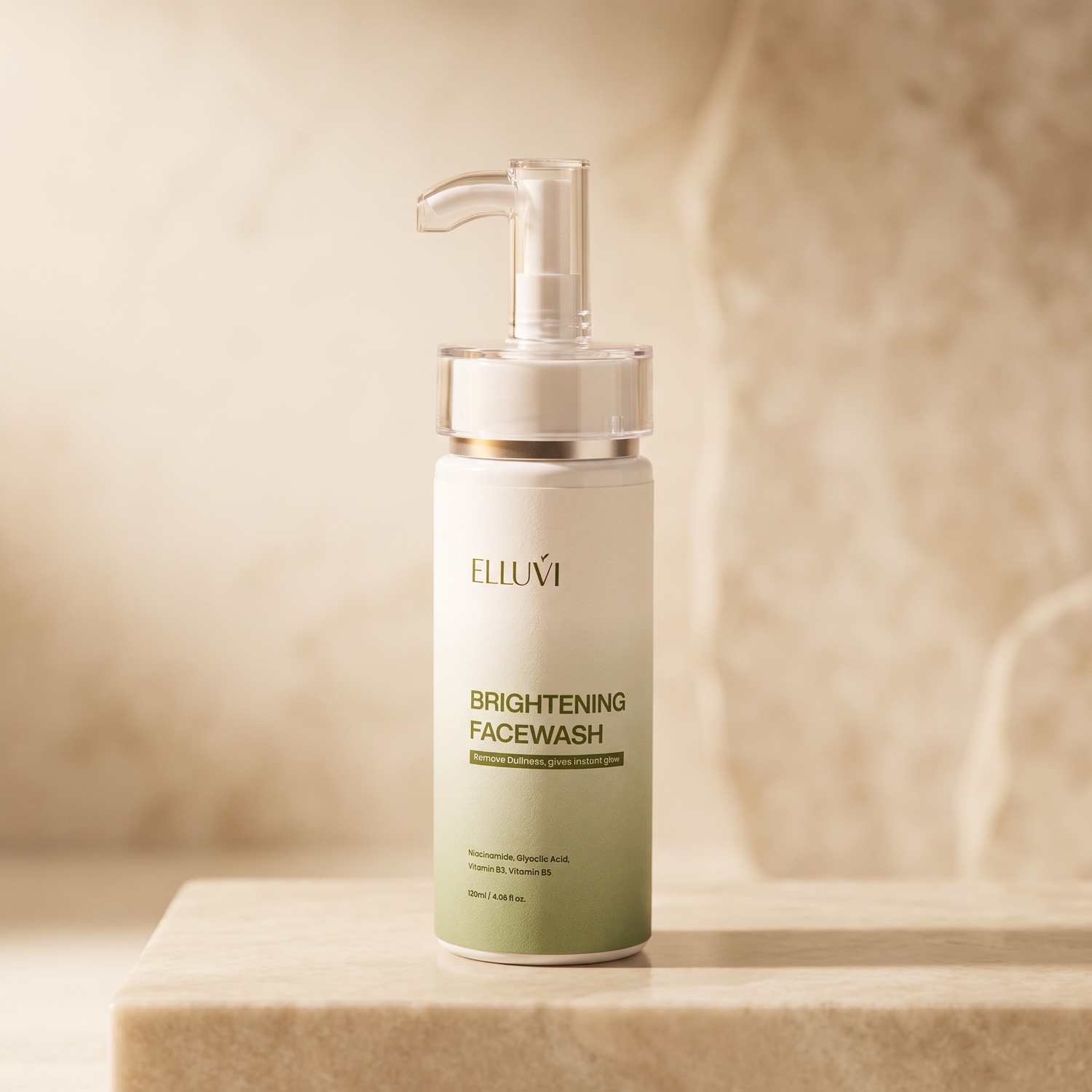
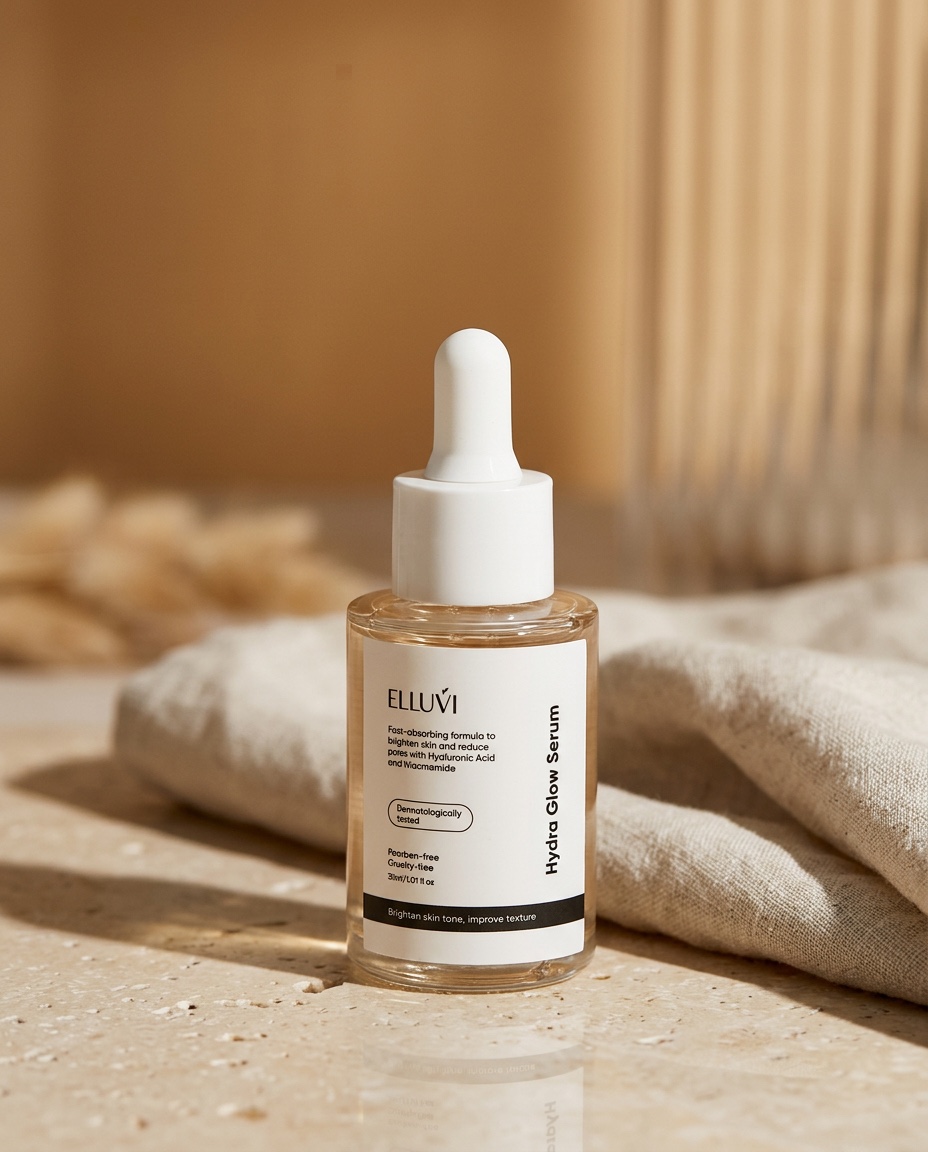
Elluvi's Hydra Glow Serum is 10% niacinamide with 1% Zinc PCA at Rs. 1,149, and the Brightening Face Wash pairs 5% glycolic acid with 5% niacinamide at Rs. 849. Neither is a BHA, and neither will clear a stubborn blackhead the way salicylic acid does. If blackheads specifically are your main concern, buy a proper salicylic serum from a brand that states its percentage.
Introducing it without wrecking your barrier
Start twice a week at night, on dry skin, and build up only if there is no stinging or flaking. Never layer it with retinol on the same night when you are starting out.
Apply a small amount to a discreet area of the jawline once daily for 2–3 days. Stop if persistent redness, itching or irritation occurs.
Sunscreen is not optional with any acid
Any exfoliating acid leaves skin more vulnerable to UV, and Pakistan's sun exposure is high year round. Without daily SPF you will undo the visible progress and add pigmentation.
Sunscreen is not currently sold by Elluvi. Use a broad-spectrum SPF 30 or higher from a trusted brand.