How to layer skincare: the correct order, AM and PM
Layering is simpler than the internet makes it look. Thinnest to thickest, water-based before oil-based, sunscreen last in the morning. Getting the order wrong wastes product rather than damaging skin — a serum applied over a moisturiser largely sits on top of it. This page gives the full order, the waiting times that actually matter, the combinations worth separating, and the two sequences written out.
See the matching concern routineThe rule in one line
Thinnest to thickest. Water-based products before oil-based ones. Sunscreen always last in the morning, moisturiser always last at night.
Everything else is refinement. If you remember only this, you will apply a routine correctly ninety percent of the time regardless of how many products are in it.
The full order
Cleanser, toner if you use one, water-based serum, oil-based serum, eye cream if you use one, moisturiser, then facial oil or sunscreen last depending on time of day.
Most routines never use half of these. A three-step routine — cleanser, moisturiser, sunscreen — follows the same logic and is a complete routine, not a shortened one.
Waiting times, and which ones are real
Wait until the previous layer has absorbed, usually thirty to sixty seconds. The one genuinely useful wait is after a leave-on acid or retinol, where ten to twenty minutes reduces irritation from what follows.
The elaborate waiting rituals attached to vitamin C are mostly unnecessary with modern formulas. If a layer is still tacky, wait; if it has absorbed, continue. Skin is not a laboratory.
Damp skin is the exception to absorb-first
Humectants — hyaluronic acid, glycerin — go on damp skin, within a minute of washing. In Pakistan's dry winters, applying them to a fully dry face pulls water out of the skin rather than into it.
So the sequence after washing is: pat, do not fully dry, apply the hydrating serum immediately, then seal with moisturiser. This is the single most commonly mishandled step in the whole order.
Combinations worth separating
Two retinol products on the same night: never. Retinol and a leave-on acid on the same night: separate them onto different nights. Vitamin C and retinol: morning and night respectively is easier than both at once.
Niacinamide and vitamin C together are fine, despite the persistent myth. So are niacinamide and retinol, and niacinamide and acids — niacinamide is the most cooperative active in a routine.
The morning sequence, written out
Cleanse. Vitamin C serum on damp skin. Moisturiser. Sunscreen, waiting a minute so it forms an even film. Reapply sunscreen through the day if you are outdoors.
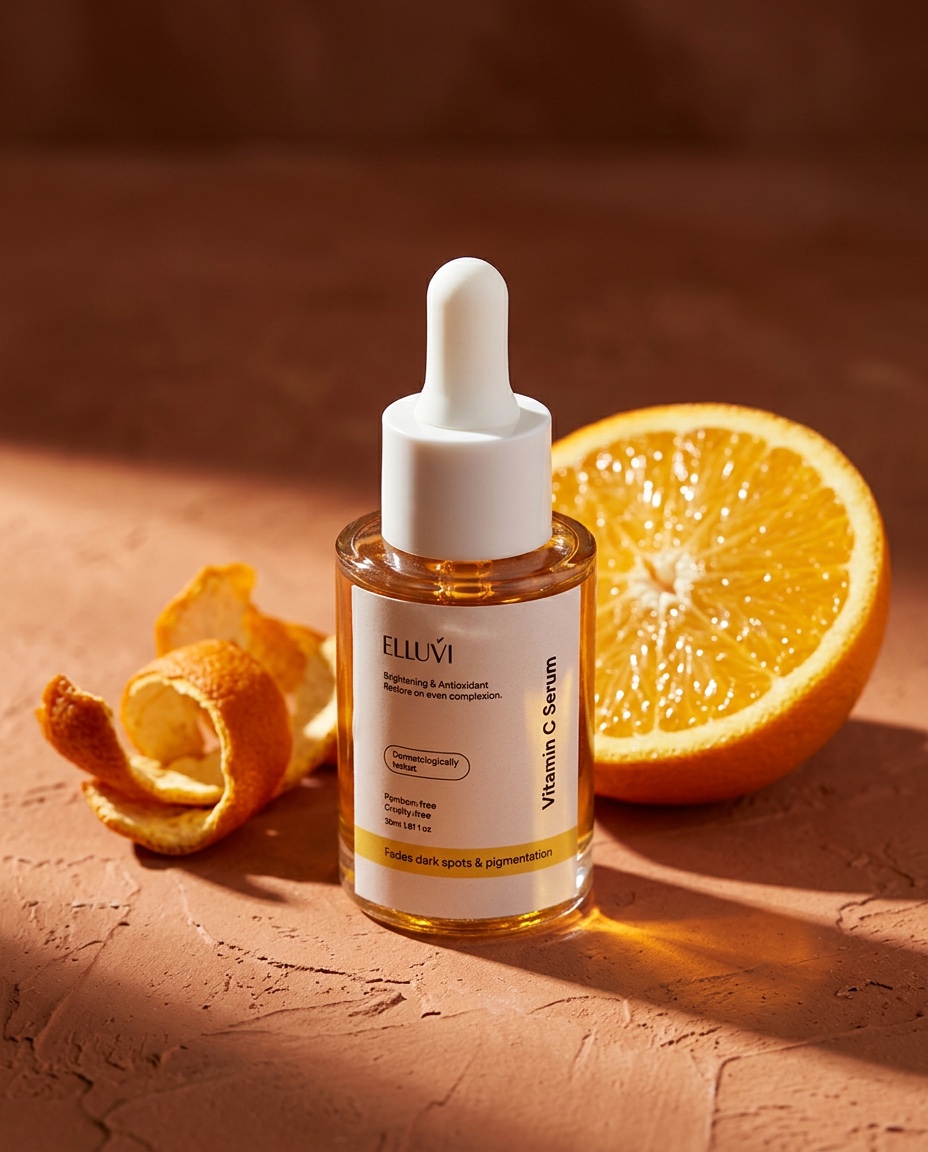
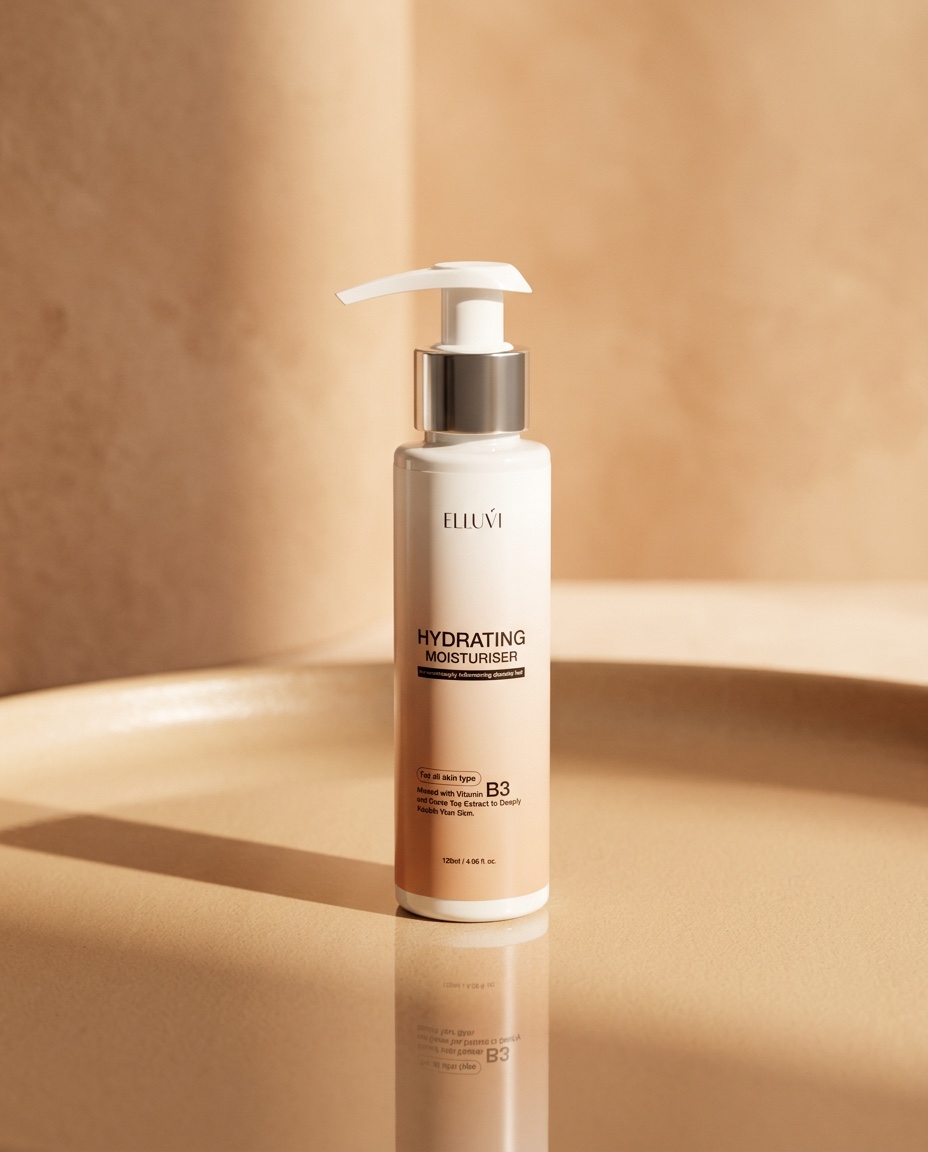
Elluvi Vitamin C Serum is Rs. 1,299 for 30 ml at 10% ascorbic acid, and Hydrating Moisturiser is Rs. 1,249 for 120 ml. Sunscreen is not something Elluvi sells — use a broad-spectrum SPF 30 or higher from any trusted brand.
The night sequence, written out
Cleanse. On treatment nights, retinol on dry skin, wait ten to twenty minutes, then moisturiser. On other nights, hydrating serum on damp skin, then moisturiser.
Hydra Glow Cream at Rs. 1,449 for 50 ml is the treatment step two to three nights a week; Hydra Glow Serum at Rs. 1,149 for 30 ml and the Hydrating Moisturiser cover the rest. A treatment used every night is more irritating, not more effective.
How many layers is too many
If a routine has more than five steps, the marginal step is usually doing nothing. Skin absorbs a finite amount, and every additional product is another chance to react to something.
Apply a small amount to a discreet area of the jawline once daily for 2–3 days. Stop if persistent redness, itching or irritation occurs.