Summer skincare routine in Pakistan: what to change from April to September
A Pakistani summer is not one climate. Lahore and Multan run dry and extremely hot; Karachi runs slightly cooler and far more humid; the north stays mild. What they share is high UV, heavy sweating and a sunscreen step that stops working by lunchtime unless it is reapplied. This page covers what to change in the routine, what to shelve until October, and how to tell heat rash from acne.
See the matching concern routineChange format, not brand
Swap heavy creams for a light lotion or gel, and keep the actives the same. Skin type does not change with the season; the weight of product that sits comfortably on it does.
This is the cheapest summer change available, and it prevents the annual conclusion that a moisturiser has stopped working. A cream that was perfect in December will feel like a film in June at the same efficacy.
Sunscreen has to be reapplied
One morning application does not last a Pakistani summer day. Reapply every two to three hours outdoors, and after heavy sweating. A stick or powder SPF is the practical way to do it over makeup or during a working day.
Sunscreen is not currently sold by Elluvi. Use a broad-spectrum SPF 30 or higher from a trusted brand.
Sweat is not dirt
Rinsing with plain water after sweating is enough. A third or fourth cleanse with face wash strips the barrier and produces more oil, which is the opposite of what a summer routine wants.
What does matter is not leaving sweat and sunscreen sitting on the skin for hours under a helmet, mask or dupatta, since occlusion plus sweat is the actual trigger for most summer congestion.
Heat rash and fungal acne are not acne
Uniform tiny bumps that appeared over a day or two in a sweaty area are usually heat rash or a fungal folliculitis. They do not respond to salicylic acid or benzoyl peroxide, and adding stronger acne products makes the irritation worse.
The tell is uniformity and speed. Acne varies in size and stage across the face and develops over weeks; heat rash arrives as a field of identical small bumps in one region — forehead under a helmet, jaw under a mask, chest and back. Keep the area dry and cool, and see a doctor if it persists.
Ease off the exfoliation
Reduce acid frequency in peak summer rather than increasing it. UV exposure is at its highest, skin is already irritated by heat and sweat, and freshly exfoliated skin pigments more readily.
If you use a glycolic cleanser daily in winter, moving it to alternate evenings in June is a reasonable adjustment. Retinol is the same principle — the same number of nights is fine, but it needs the sunscreen step to be genuinely reliable.
Hydration still matters in humidity
Humid air does not hydrate skin, and air-conditioned offices are dry. Skin can be shiny on the surface and dehydrated underneath — that combination of oiliness and tightness is dehydration, not a skin type.
The answer is a light hydrating layer rather than a heavier one: a humectant serum sealed with a lightweight lotion, applied twice daily. Removing the moisturiser because the face is shiny is what produces the tight-and-oily state in the first place.
The summer routine, in order
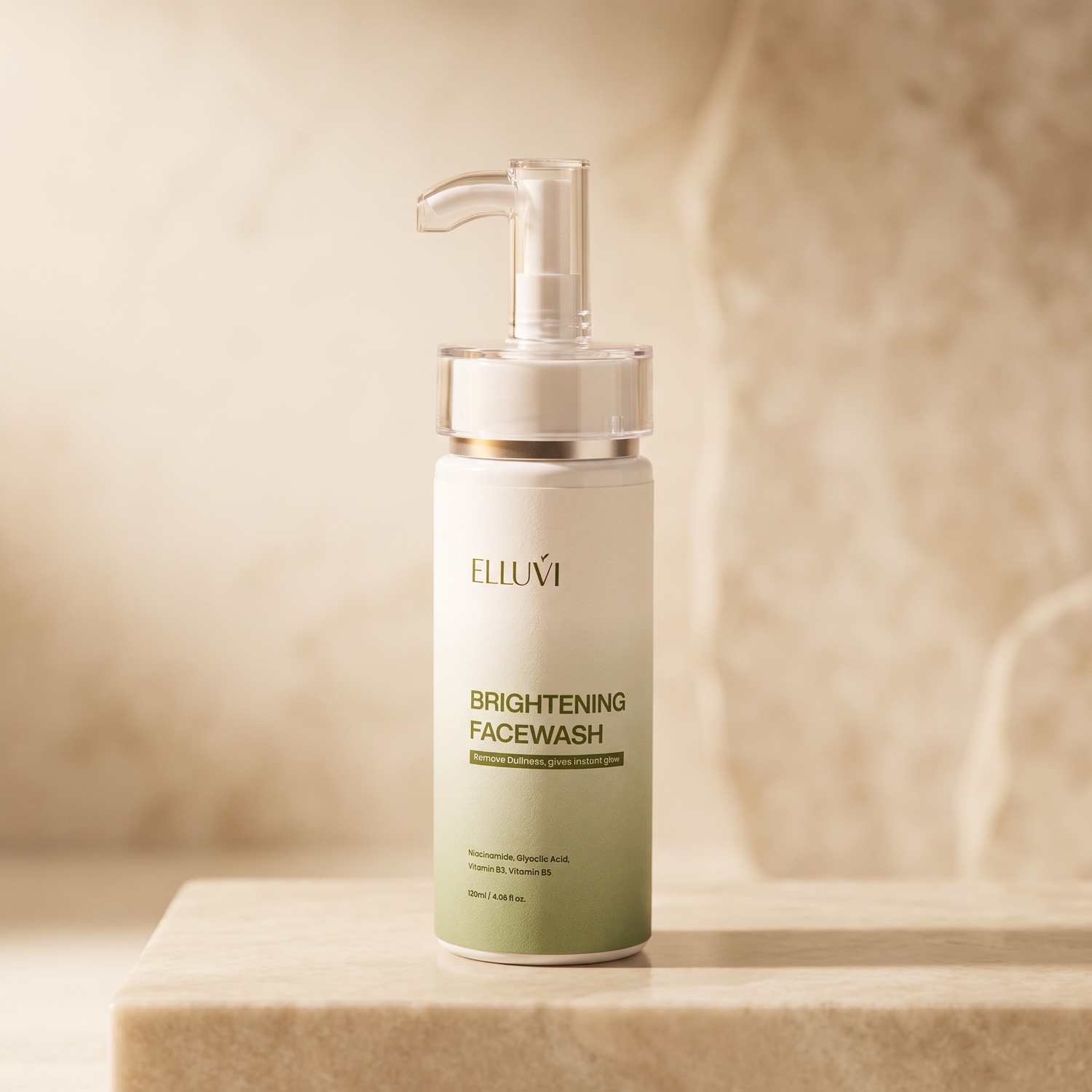
Morning: gentle cleanse, niacinamide serum, light moisturiser, sunscreen, then reapply sunscreen through the day. Night: cleanse, treatment on treatment nights, light moisturiser.
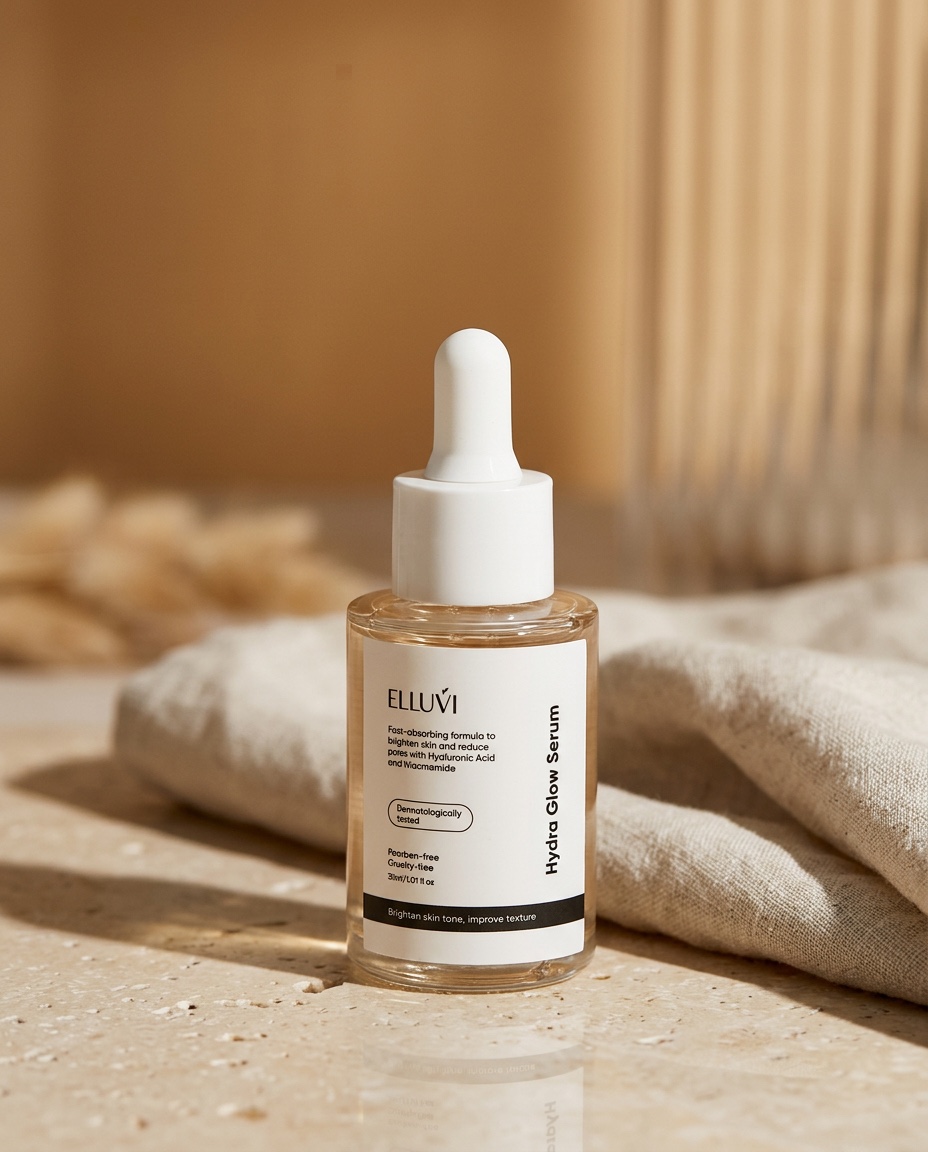
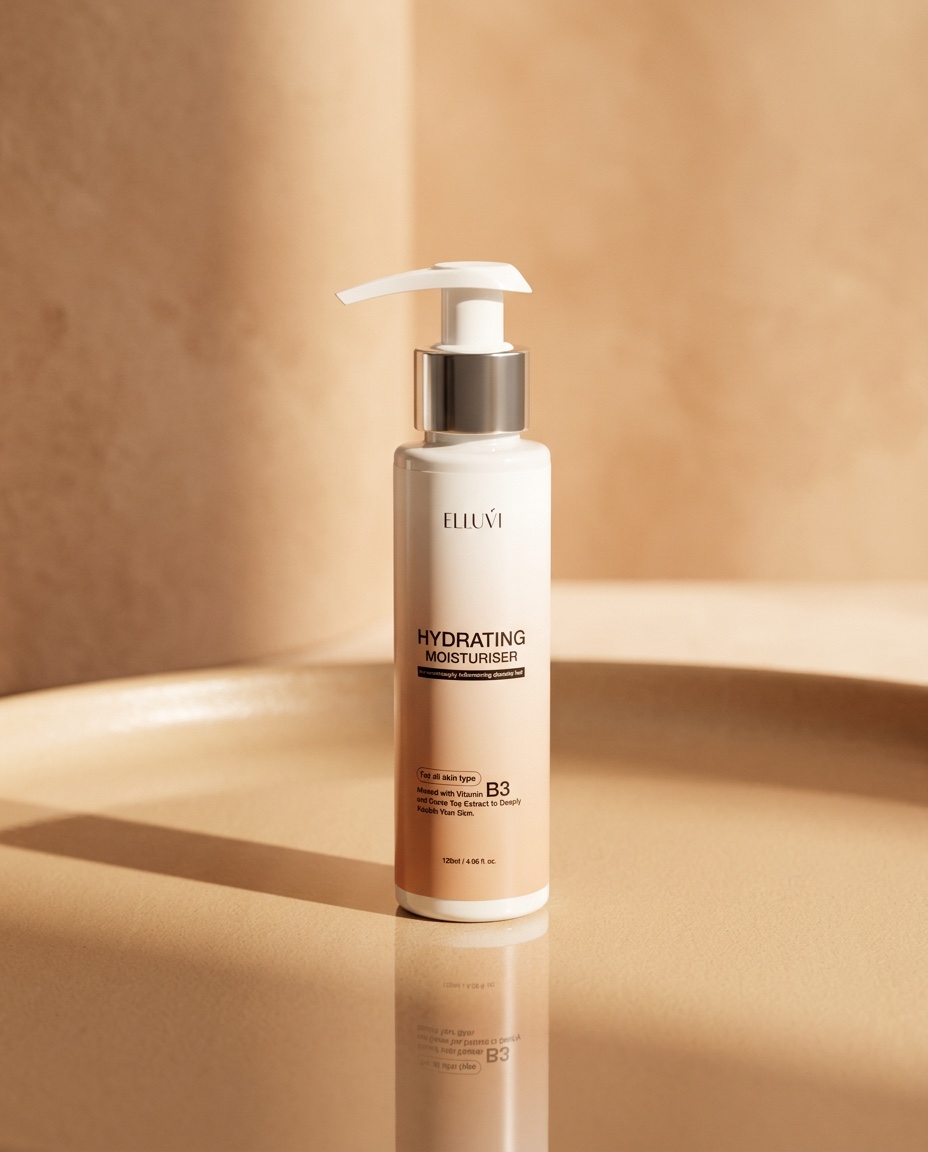
Elluvi Hydra Glow Serum at Rs. 1,149 for 30 ml and Hydrating Moisturiser at Rs. 1,249 for 120 ml are both on the lighter end, which is why the same two products work through a Karachi August as through an Islamabad January.
What to shelve until October
Rich occlusive night creams, facial oils, heavy sleeping masks and physical scrubs. None is dangerous — they are simply the wrong weight for the season and they cost the routine comfort and compliance.
Apply a small amount to a discreet area of the jawline once daily for 2–3 days. Stop if persistent redness, itching or irritation occurs.